Mount Fuji Hiking Trails
Mt. Fuji has four hiking trails - each very different. Compare Yoshida, Fujinomiya, Subashiri, and Gotemba to choose the right route for your climb.
Last updated: May 20, 2026
The four summit routes are different commitments. The verified English-guided summit product below follows Fuji; the Ochudo walk is a separate lower-mountain alternative.
Booking Summary: Do not book a Fuji package for a Fujinomiya, Subashiri or Gotemba ascent. Compare its hut and transport with a local Ochudo walk or a lakeside sightseeing day if the summit is not your goal.
Scroll to the end for the complete comparison and provider booking links. Interactive matching requires JavaScript.
Quick Reference: The Four Mt. Fuji Trails (2026)
| Yoshida | 2,305m | 5 to 7 hrs | 3 to 4 hrs | 16 to 17 huts + 2 first-aid stations | July 1 | Beginner |
| Fujinomiya | 2,380m | 4 to 7 hrs | 2 to 4 hrs | ~7 huts | July 10 | Beginner to Intermediate |
| Subashiri | 1,970m | 6 to 7 hrs | 3 to 4 hrs | ~7 huts | July 1 | Intermediate |
| Gotemba | 1,440m | 7 to 10 hrs | 3 to 5 hrs | ~4 huts | July 10 | Advanced |
All trails close September 10, 2026. Mandatory climbing fee: ¥4,000 per person all trails. Prices verified May 2026.
What Are the Four Official Trails on Mount Fuji?
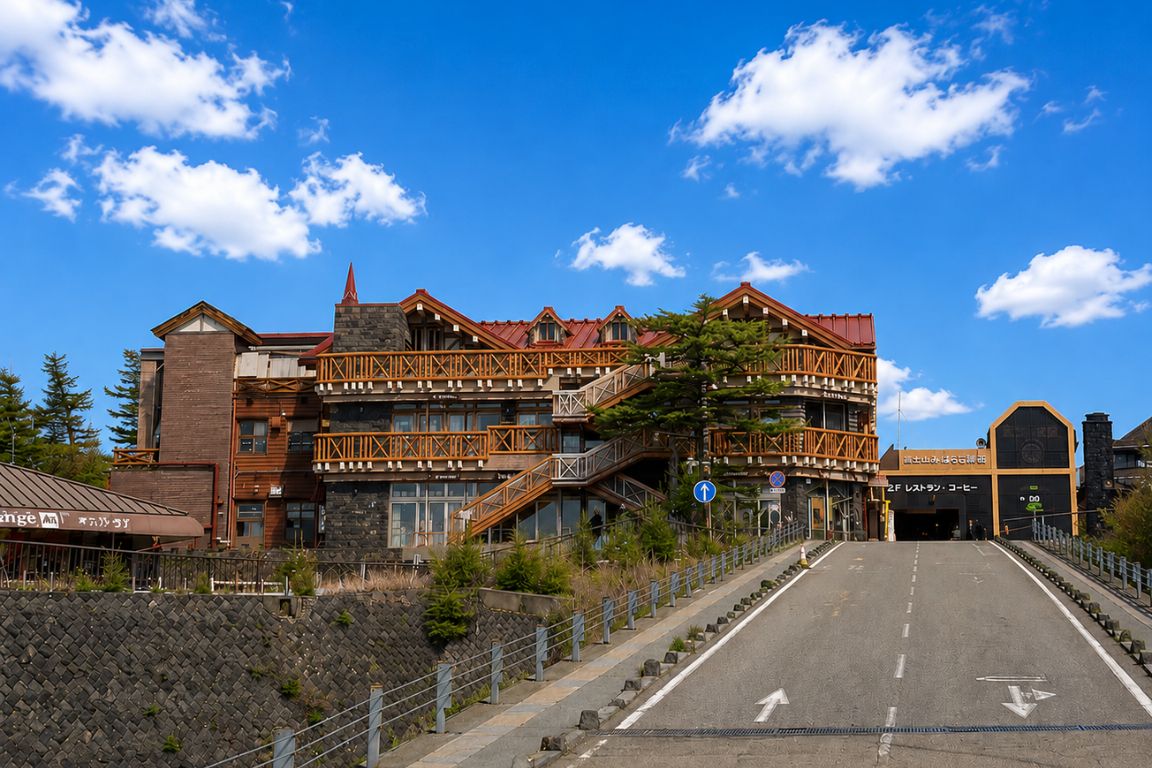 Mt. Fuji has four official climbing trails: Yoshida (north side, Yamanashi Prefecture), Fujinomiya (south, Shizuoka), Subashiri (east, Shizuoka), and Gotemba (southeast, Shizuoka). All four share the same summit at 3,776 meters and the same mandatory ¥4,000 climbing fee. They differ significantly in starting elevation, distance, terrain, crowd levels, available facilities, and what makes each one worth choosing. The Yoshida Trail handles roughly 59% of all annual climbers. The other three share the remaining 41%.
The four trails approach the mountain from different compass directions and each starts at a different 5th Station – the conventional base for modern climbers. “5th Station” is a historical naming system from the era when climbers walked from the mountain’s base. Most climbers today take a bus to the 5th Station and begin from there. The four 5th Stations are at very different elevations, which is the single biggest variable affecting how long and demanding each climb will be.
Three of the four trails are in Shizuoka Prefecture. The Yoshida Trail is in Yamanashi Prefecture. This matters because the two prefectures run different regulatory systems. Yamanashi uses online reservations through fujisan-climb.jp. Shizuoka uses the FUJI NAVI smartphone app with a mandatory safety training module. Both require the ¥4,000 fee. If you climb up a Shizuoka trail and descend the Yoshida Trail, you need to satisfy both systems. The trail descriptions below explain each in detail.
All trails close September 10. The summit crater rim walk (Ohachi Meguri) also closes September 10. The Yoshida and Subashiri trails open July 1. Fujinomiya and Gotemba open July 10. Outside these dates the trails are closed, mountain huts are shuttered, rescue infrastructure is unavailable, and conditions are genuinely dangerous.
Yoshida Trail: The Most Popular Route
 The Yoshida Trail starts at 2,305 meters on the mountain’s north side and is the easiest, best-supported, and most crowded of the four routes. It handles about 59% of all Mt. Fuji climbers. The trail has 16 to 17 mountain huts, two staffed first-aid stations, separate paths for ascent and descent, and direct bus access from Shinjuku (~2.5 hours, ~¥3,800 one-way). Ascent takes 5 to 7 hours. Descent takes 3 to 4 hours. The sunrise is visible directly from this trail. For the vast majority of first-time international climbers, this is the right trail.
What makes the Yoshida Trail so dominant is infrastructure density. A mountain hut appears roughly every hour to 90 minutes of climbing. Each hut sells food, water (¥500 per 500ml), energy snacks, and hot drinks. Each has paid toilets (¥200 to ¥300). First-aid stations staffed by medical personnel operate at the 7th and 8th stations during peak season. At the 6th Station guidance center, helmets can be borrowed for a ¥2,000 refundable deposit. Vending machines appear on the lower sections. For climbers who develop problems – altitude sickness, injury, exhaustion – there is help within reach at every hour of the ascent.
The trail character changes noticeably as you ascend. The 5th to 6th station section is wide, relatively flat, and forested – an easy warm-up. Past the 6th Station it steepens and the tree line gives way to volcanic rock and volcanic gravel. The zigzag section between the 6th and 7th stations is one of the most visually striking parts of the trail, with the path looping back on itself across the slope. From the 7th station to the 8th station is the longest and most demanding stretch – about 100 minutes without stopping, going from 2,700 meters to over 3,100 meters with increasingly rocky terrain. At the 8th Station, the Subashiri Trail merges with the Yoshida Trail. Both trails share the same path from this point to the summit, which concentrates traffic. This section above the merger is where the famous sunrise queues form on peak nights.
The descent follows a completely separate path from the ascent, which is one of the Yoshida Trail’s key advantages over the Fujinomiya Trail. The descent path winds through loose volcanic sand and gravel fields. The sand provides some cushioning on the knees but also gets into everything. Pay careful attention at the fork near the 8th Station (Shita Edoya) on the way down – the Yoshida and Subashiri descent paths split here and the signs are easy to miss in darkness or tiredness. At least 1,000 climbers per year accidentally take the wrong trail at this junction.
A note on crowds: the Yoshida Trail in peak season (late July to mid-August) at the pre-sunrise hours is genuinely crowded. Above the 8th Station merger with the Subashiri Trail, the path narrows and queues can form. If experiencing the mountain in relative solitude is important, consider early July weekdays or the first two weeks of September – same trail, same infrastructure, dramatically fewer people.
Key details: Starts at Fuji Subaru Line 5th Station (2,305m). Daily cap: 4,000 climbers (never exceeded in 2024 or 2025). Advance reservation required at fujisan-climb.jp. Gear check at gate: warm clothing, two-piece rain gear, proper hiking boots. Direct bus from Shinjuku Bus Terminal: ~2.5 hours, ~¥3,800 one-way. Opens July 1, closes September 10.
Planning a trip to Japan’s most iconic peak and not sure how to make the journey from Tokyo work? Here’s our how to visit Mount Fuji tours from Tokyo guide so you plan it properly.
Fujinomiya Trail: The Shortest but Steepest
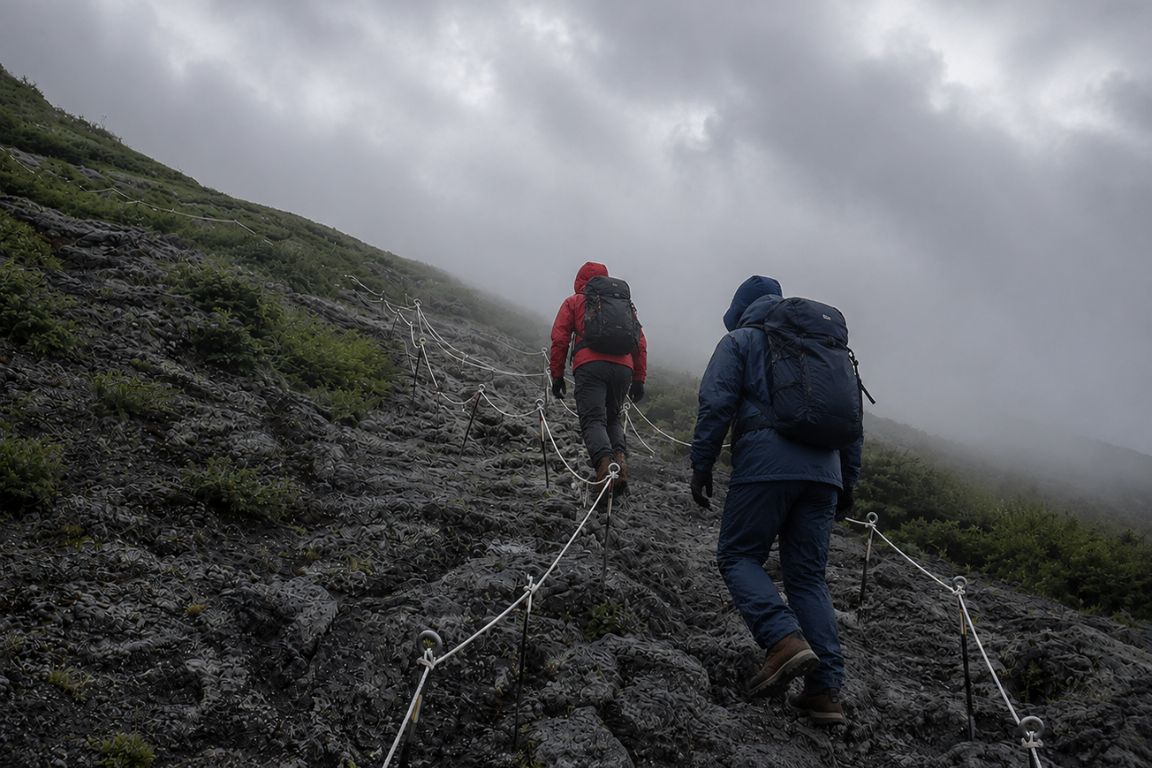
 The Fujinomiya Trail starts at 2,380 meters – the highest 5th Station of all four trails, and reaches the summit in the shortest distance. Ascent takes 4 to 7 hours. It is the second most popular trail and the one most commonly used by climbers coming from western Japan via the Shinkansen. The tradeoff for its brevity is gradient: it is the steepest trail on the mountain, uses the same path for ascent and descent (creating two-way traffic), and has fewer huts than Yoshida. It is also the trail closest to Kengamine, Japan’s true highest point at 3,776 meters – 20 minutes from the Fujinomiya summit versus 40+ minutes from the Yoshida summit.
The Fujinomiya Trail approaches from the south and gives a completely different perspective on the mountain. Where the Yoshida Trail’s lower section is forested and relatively gentle, Fujinomiya begins steeper from the first steps above the 6th Station. The terrain is rocky throughout, with many sections requiring careful footing, and the 9th Station approach is one of the steepest passages on any of the four trails. On clear days, the southward views are exceptional – the Pacific Ocean is visible on the horizon, and Mt. Hoei, the cinder cone created by the last major eruption in 1707, can be seen directly from the 6th Station area (accessible via a 30-minute side hike from Fujinomiya’s 6th Station).
The same-path ascent and descent is worth understanding before you choose this trail. On the Yoshida Trail, ascending and descending climbers use separate routes, so there is no congestion from two-way traffic. On the Fujinomiya Trail, everyone uses the same narrow path in both directions. During peak hours, passing other hikers on the steep rocky sections requires patience and coordination. In practice this is manageable, but it slows the descent and can feel frustrating after a long night on the mountain.
The proximity to Kengamine is a genuine advantage for climbers who care about standing at Japan’s actual highest point. Most climbers who summit via the Yoshida Trail stop at the first peak marker and head back – Kengamine requires a 40-minute walk around the crater rim. From the Fujinomiya Trail summit, Kengamine is just 20 minutes. For anyone doing the Ohachi Meguri crater rim walk, Fujinomiya’s position on the crater is significantly better.
Access is the main logistical consideration. Fujinomiya is the only trailhead easily reachable from western Japan – Shinkansen to Shin-Fuji or Fujinomiya Station, then bus to the 5th Station. From Tokyo the journey takes about 2.5 hours total. The 5th Station road is closed to private vehicles during the climbing season; parking is at the Mizugazuka lot near the base, with shuttle buses running every 60 minutes for ¥2,200 round trip. Our guide to reaching Mount Fuji from Osaka sets out the Shinkansen times and fares for that approach.
Doctors are on duty 24/7 at the 8th Station health center during much of the climbing season – a notable safety feature shared with the Yoshida Trail but not the Subashiri or Gotemba trails.
Key details: Starts at Fujinomiya 5th Station (2,380m). No daily cap. FUJI NAVI app pre-registration required. Same path up and down. Bus from Fujinomiya Station: ~90 min, ~¥2,330 one-way. Bus from Shin-Fuji Station: ~120 min, ~¥2,740 one-way. Opens July 10, closes September 10. Prices verified May 2026.
We’ve put together a full transport comparison in our train vs bus to Mount Fuji guide so you know exactly which option fits your starting point, budget, and how much of the day you want to spend travelling.
Subashiri Trail: The Forest Route
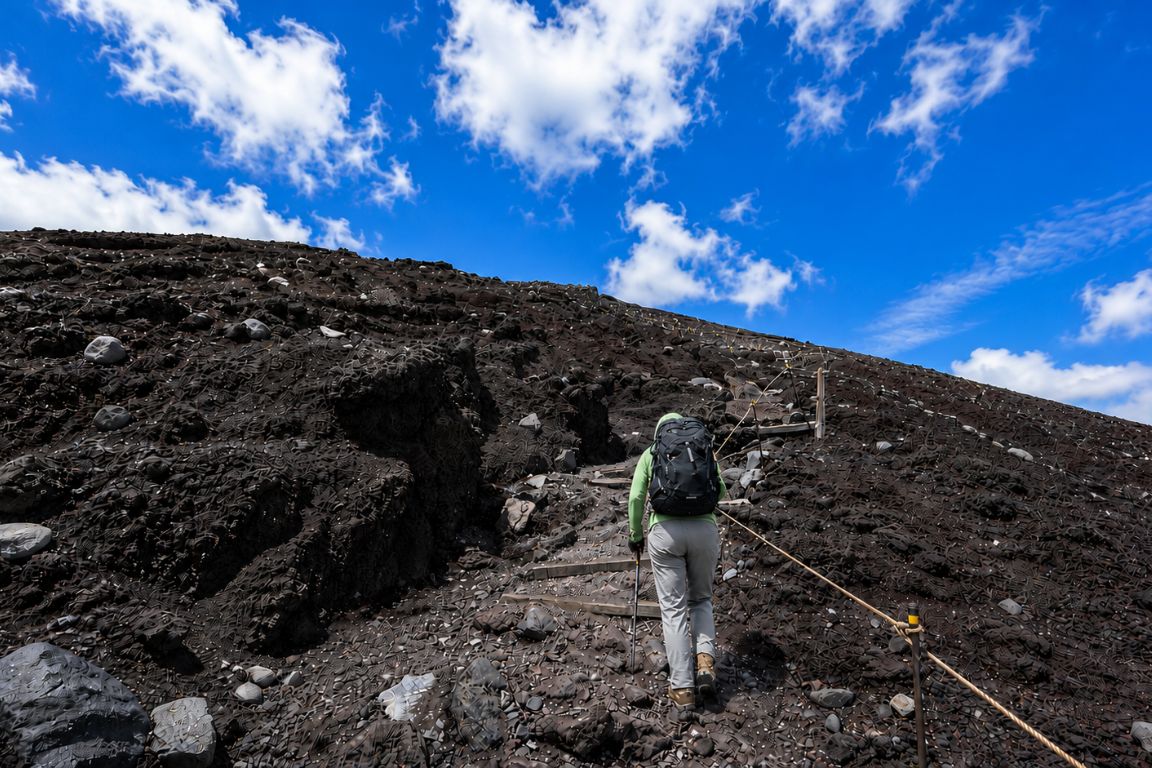
The Subashiri Trail starts at 1,970 meters on the eastern side of the mountain, the lowest starting point of the three Shizuoka trails, and is the only trail that passes through a genuine forest zone. From the 5th Station to approximately the 7th Station (around 2,700 meters), the trail runs through alpine forest with shade, tree roots, and wildflowers – a experience completely absent from the other three trails. Above the treeline the trail merges with the Yoshida Trail at the 8th Station and shares the path to the summit. On descent, the Subashiri separates from Yoshida and descends via the Sunabashiri – a 700-meter vertical sand run on loose volcanic gravel – back to the 5th Station.
The forest zone is genuinely distinctive and worth factoring into the choice. The other three trails all begin above the treeline; everything from their 5th Stations to the summit is exposed volcanic terrain. The Subashiri’s lower section gives you 90 minutes to two hours of forest hiking with natural shade, a sense of organic landscape, and a transition that eases the body into altitude gradually before the fully exposed upper mountain begins. In summer heat this shade is practically valuable. The trail feels less industrial than the Yoshida during this forest section.
The merger with the Yoshida Trail at the 8th Station is both an advantage and a complication. On the positive side, you suddenly have access to the Yoshida Trail’s hut infrastructure for the upper section of the climb. On the negative side, you join Yoshida’s crowds for the most congested part of the mountain. The single most important thing to know about descending the Subashiri Trail is the fork at the 8th Station (Shita Edoya) – follow the red signs pointing to the Subashiri descent, not the yellow Yoshida markers. This junction confuses an enormous number of climbers every season and sends them down the wrong trail to the wrong 5th Station.
The Sunabashiri (sand run) descent is one of the most talked-about features on any Mt. Fuji trail. From the 7th Station downward, the trail becomes a wide sweep of loose volcanic gravel and sand with roughly 700 meters of elevation drop. You can take long bounding steps and cover ground rapidly, with each foot sinking into soft grit that absorbs impact. The sensation is somewhere between running on a sand dune and controlled skiing. It is genuinely fun. It is also genuinely dusty: gaiters, goggles, and a mask or buff are not optional equipment here. Without them, your boots will fill with volcanic sand within minutes and your eyes and lungs will suffer.
The Subashiri Trail has fewer huts than the Yoshida – around 7, concentrated above the 6th Station. Below the forest line there is minimal facility infrastructure. Carry sufficient water from the 5th Station for the lower forest section because huts are further apart here than on the Yoshida. Bus logistics are also more involved: buses from Gotemba Station to the Subashiri 5th Station take 60 to 65 minutes. The Subashiri Trail opening date was moved to July 1 in 2026, aligning with the Yoshida Trail.
Key details: Starts at Subashiri 5th Station (1,970m). No daily cap. FUJI NAVI app pre-registration required. Separate ascent and descent paths. Merges with Yoshida at 8th Station. Watch the red signs on descent. Gaiters and goggles strongly recommended for the Sunabashiri. Bus from Gotemba Station: ~60 min, ~¥1,800 one-way. Opens July 1, closes September 10. Prices verified May 2026.
Gotemba Trail: The Longest and Most Challenging
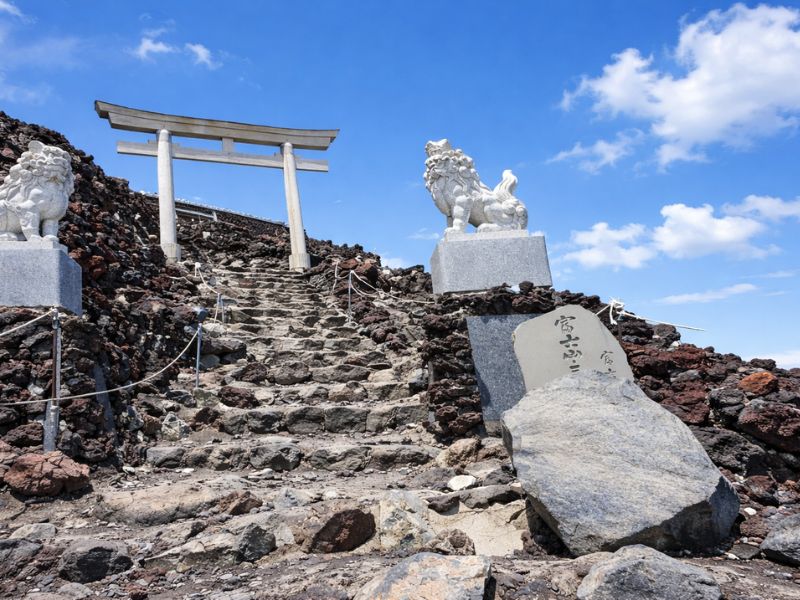
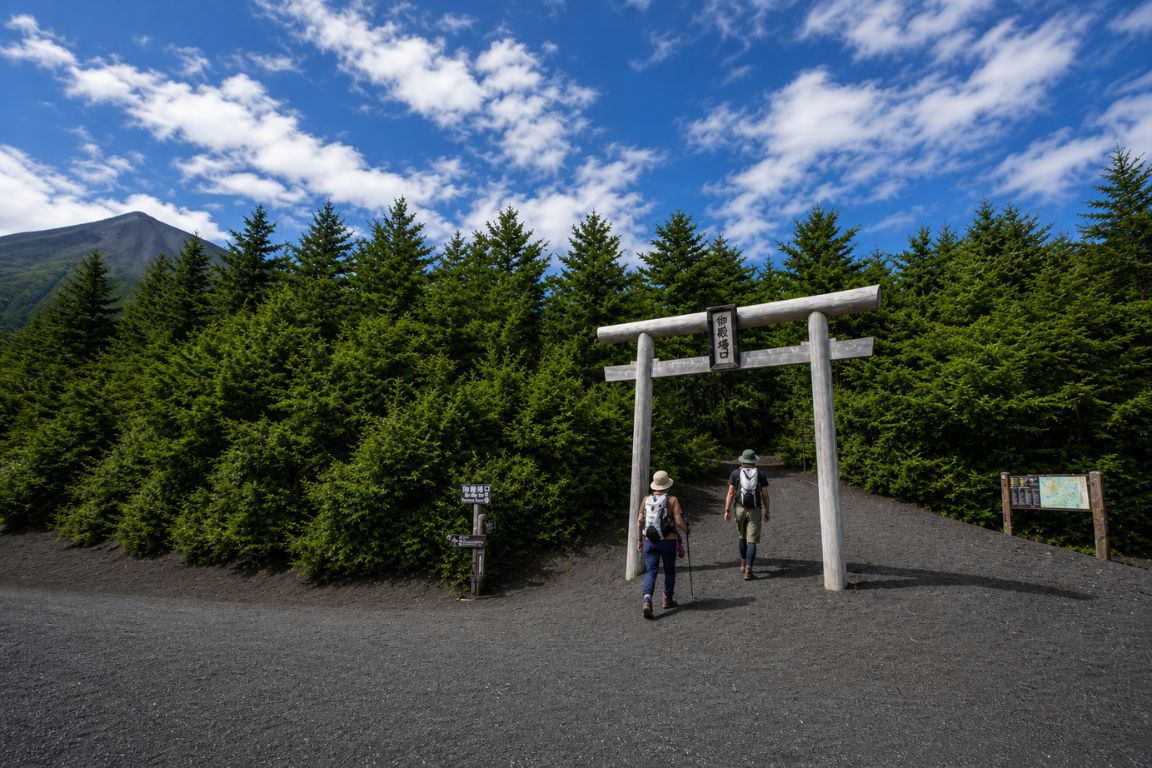 The Gotemba Trail starts at 1,440 meters – the lowest 5th Station on the mountain, and requires an elevation gain of approximately 2,300 meters to reach the summit, the most of any trail. Ascent takes 7 to 10 hours. There are roughly 4 mountain huts and no facilities at all between the 5th Station and the 7th Station (~3,000 meters), a stretch that takes about 4 hours to climb. This trail is for experienced hikers who want solitude, are comfortable with sustained exposed ascent, and can carry sufficient supplies for the hutless lower section. The descent via the Osunabashiri – the “great sand run” – covers roughly 5 kilometers of volcanic gravel and is one of the most spectacular descents on any major Japanese mountain. The volcanic history that shaped all four routes, and the current official alert level, is covered in whether Mount Fuji will erupt.
The Gotemba Trail is the least used of the four routes, receiving roughly 10% of the Yoshida Trail’s annual traffic. On most weekdays in the climbing season you can ascend with no one visible ahead of you. This solitude is unusual for Mt. Fuji and it is the primary reason experienced climbers choose Gotemba despite the added difficulty. The landscape has a stark, volcanic austerity from the first steps – there is no forest zone, no dense hut infrastructure, no cascade of signage. The trail passes through wide volcanic plains of dark lava gravel and scree with progressively more rugged terrain above 3,000 meters.
The practical implications of the 4-hour hutless section between the 5th Station and the 7th Station are significant. You need to carry everything with you from the start: minimum 2 liters of water (more is better), all food for the entire climb, and any emergency supplies. The huts at the 7th Station and above sell food and water but prices are higher than at the lower stations on other trails. Cash only throughout; budget ¥5,000 to ¥10,000 for on-mountain expenses beyond the entry fee.
The Osunabashiri on the Gotemba descent is the longer version of the Subashiri’s Sunabashiri. Where the Subashiri’s sand run covers about 700 meters of elevation over a few kilometers of trail, the Gotemba’s Osunabashiri covers roughly 5 kilometers of the descent from the 7th Station. The sensation of taking giant bounding steps on deep volcanic gravel – each step three times the length of a normal walking stride – makes distance collapse rapidly. The descent takes 3 to 5 hours depending on pace, which is comparable to the other trails despite the much greater elevation. Gaiters and goggles are essential here. Fog rolls in quickly on this exposed slope and the trail markers become harder to follow in low visibility.
One practical advantage: Gotemba is the only trail that does not ban private vehicles during the climbing season. The 5th Station parking lot holds approximately 450 vehicles. Every other trail requires using shuttle buses from designated mountain-base parking areas. For climbers with their own vehicle, Gotemba allows the most flexible arrival and departure timing.
Gotemba mountain huts do not generally have English websites or booking systems. Reservations are best made through a tourist information center in Gotemba City, a Japanese-speaking contact, or by booking a guided two-day climb.
Key details: Starts at Gotemba New 5th Station (1,440m). No daily cap. FUJI NAVI app pre-registration required. No facilities 5th to 7th Station (~4 hours). ~4 huts total. Private cars allowed year-round. Osunabashiri descent ~5km. Bus from Gotemba Station: ~30 min, ~¥1,280 one-way. Opens July 10, closes September 10. Prices verified May 2026.
Which Trail Is Best for First-Time Climbers?
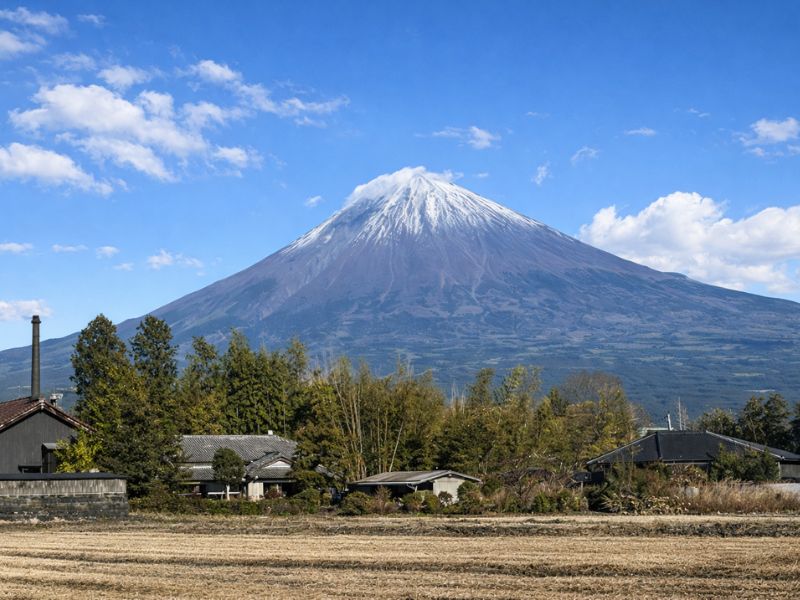
The Yoshida Trail. It is not a close call. The hut density, the first-aid infrastructure, the separate ascent and descent paths, the easiest access from Tokyo, and the most English-language support make it the right choice for anyone climbing for the first time. The steeper Fujinomiya Trail is a legitimate second choice for fit climbers arriving from western Japan who want a shorter ascent time. The Subashiri is suitable for intermediate hikers who want the forest experience and don’t mind more complex logistics. The Gotemba Trail is not appropriate for first-time Mt. Fuji climbers.
The reason hut density matters so much for beginners is that altitude sickness does not follow a schedule. You might be fine at the 7th Station and develop a serious headache at the 8th. On the Yoshida Trail, the next hut is always within 45 to 90 minutes. You have options and you have support. On the Gotemba Trail, you have nothing for four hours after you leave the 5th Station. The physiological risk of developing symptoms in that window, with no shelter and no assistance, is significantly higher.
The sunrise question matters too. Most first-time climbers want to experience Goraiko – the sunrise from near or at the summit. The Yoshida Trail faces northeast, meaning the sunrise is visible directly from the trail at almost any station from the 7th upward. Even if you don’t make the summit in time, you can still see the sunrise from a mountain hut terrace at 3,000 meters. The Fujinomiya Trail faces south, meaning the sunrise is visible but at an oblique angle; you have to move to the crater rim to see it fully. The Subashiri Trail, which faces east, also offers good sunrise visibility once above the treeline, but the lower forest section is dark in the pre-dawn hours and this affects safety for beginners.
For families with children aged 6 and above: the Yoshida Trail is the appropriate choice. The regular hut stops provide bathroom breaks, food, and rest points that children need. Keep pace expectations conservative and plan for 7 to 8 hours on the ascent rather than the adult average of 5 to 6.
A note from 14 years of guiding: the most common mistake first-timers make is choosing a trail based on “wanting a challenge” rather than fitness reality. The Yoshida Trail is not a disappointment for experienced hikers, it is still a mountain requiring 10-plus hours of effort at altitude with serious weather risk. The additional challenge of Subashiri or Gotemba adds logistical complexity and reduced safety margins without adding meaningful climbing achievement for most people. Save the less-traveled routes for a return visit.
First time considering a Fuji summit attempt and not sure if your fitness level is up to it? Here’s our can you climb Mount Fuji on a tour guide so you make an honest assessment before you book.
What Are the Rules for Each Trail in 2026?
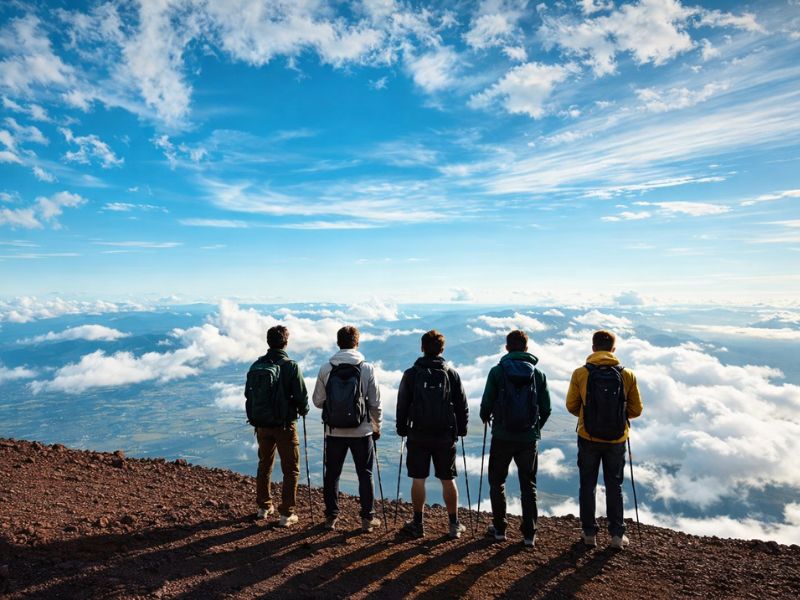
All four trails share these universal 2026 rules: mandatory ¥4,000 climbing fee, trailhead gate closure from 2:00 PM to 3:00 AM (mountain hut reservation required to enter during closure), and no bullet climbing. The Yoshida Trail additionally requires advance online reservation through fujisan-climb.jp and enforces a physical gear check at the gate. The three Shizuoka trails (Fujinomiya, Subashiri, Gotemba) require pre-registration and completion of a safety training module via the FUJI NAVI app before arrival at the trailhead.
The gear check at the Yoshida Trail gate is the most directly enforced regulation. Rangers check for three mandatory items and turn climbers away if any is missing:
1. Warm clothing – a fleece or down jacket
2. Two-piece waterproof rain gear – jacket AND separate waterproof trousers (a poncho alone is insufficient)
3. Proper hiking boots – climbers in sneakers, sandals, or fashion footwear are refused
This is enforced literally. Approximately 205,100 people climbed Mt. Fuji in the 2025 season, according to the Japan Ministry of the Environment. Of those, a meaningful number were turned away at the Yoshida gate for failing the gear check. If you arrive without the three items, you will not climb that day.
The FUJI NAVI app for Shizuoka trails requires downloading the app in advance, registering personal details (name, nationality, passport number), selecting your climbing date and route, completing an online safety education module (~15 to 20 minutes), and receiving a QR code to present at the trailhead. The process takes 20 to 30 minutes total and should be completed at least 24 hours before climbing. The app is available in English, Chinese, Korean, Vietnamese, and Thai.
| Climbing fee | ¥4,000 | ¥4,000 | ¥4,000 | ¥4,000 |
| Advance registration | fujisan-climb.jp | FUJI NAVI app | FUJI NAVI app | FUJI NAVI app |
| Daily cap | 4,000 climbers | None | None | None |
| Gate closure | 2 PM to 3 AM | 2 PM to 3 AM | 2 PM to 3 AM | 2 PM to 3 AM |
| Mandatory gear check | Yes (strict) | General check | General check | General check |
| Private vehicles allowed | No (climbing season) | No (climbing season) | No (climbing season) | Yes |
| First-aid stations | 7th + 8th stations | 8th station | None | None |
| Season opens 2026 | July 1 | July 10 | July 1 | July 10 |
| Season closes 2026 | September 10 | September 10 | September 10 | September 10 |
One note on the gate closure and mountain hut reservation relationship: if you have a confirmed hut reservation, you can pass through the gate at any time, including during the 2:00 PM to 3:00 AM closure. You are also not counted toward the Yoshida Trail’s 4,000 daily cap. The cap only applies to same-day walk-up climbers without reservations.
Most first-time Fuji visitors either underdress for the summit or overpack for the base – our what to wear for Mount Fuji tours guide breaks down exactly what works for each stage of the day.
What Should You Know Before Choosing a Trail?
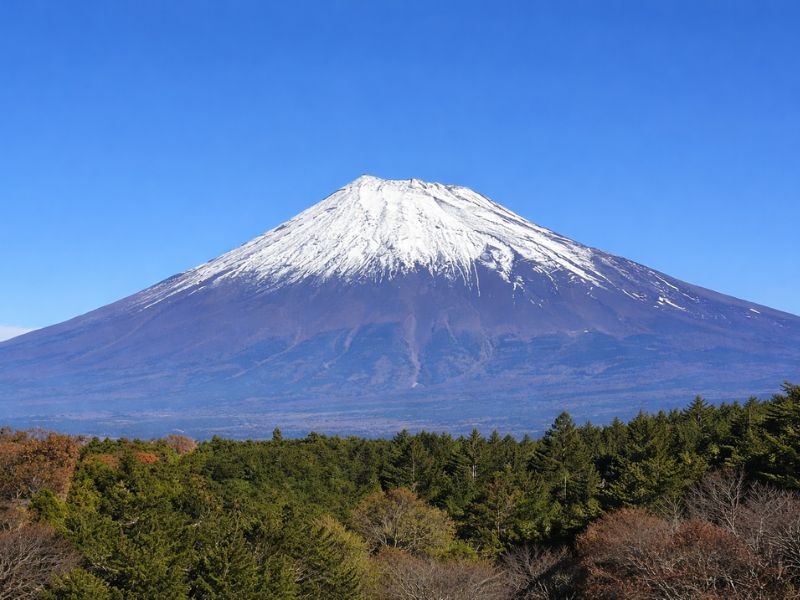
Four questions determine which trail is right: Where are you coming from (Tokyo or western Japan)? How experienced are you with mountain hiking? How important is solitude? And when in the season are you climbing? The answers narrow the field quickly. Most international first-time climbers from Tokyo should book the Yoshida Trail without hesitation. Returning climbers from any direction who want a different experience should consider Subashiri for scenery or Gotemba for genuine solitude. The Fujinomiya is the Shinkansen trail, it earns its slot for western Japan travelers and experienced climbers who want the shortest ascent time.
Beyond the trail itself, there are several things that affect the experience regardless of which route you choose.
When in the season you climb matters a lot. The peak window is July 20 through mid-August, centered on the Obon holiday (approximately August 13 to 16). This is when trail congestion peaks on the Yoshida, mountain hut reservations are fully booked months ahead, and summit areas fill with hundreds of simultaneous climbers. Early July (before the 20th) and early September (after school restarts) are dramatically less crowded while still having full hut infrastructure and reasonable weather. September 1 to 10 is arguably the best window for the entire season: stable weather, low crowds, full hut availability, and full trail infrastructure before the September 10 close.
The summit is not the highest point. Most climbers reach the Yoshida Trail summit, take their photo at the first peak marker, and turn around. They have not stood at Japan’s true highest point. Kengamine, the actual 3,776-meter summit, is on the southwest side of the crater rim – approximately 40 minutes from the Yoshida summit and 20 minutes from the Fujinomiya summit. The crater rim walk (Ohachi Meguri) takes about 90 minutes for the full circuit. Anyone who has invested the effort to climb Mt. Fuji should factor in the extra time to reach Kengamine. The crater rim walk opens July 10, not July 1, so early July climbers on the Yoshida and Subashiri trails cannot complete it.
Mountain hut reservations must be booked months in advance. For peak dates in July and August, popular 8th Station huts open reservations as early as April or May and sell out within hours. At the Yoshida Trail’s Goraikokan (3,450 meters, the most strategically located hut for a sunrise summit push), reservations for August weekends fill on the day they open. Plan your hut booking before you book your flights if you’re set on a specific date window. Prices run ¥7,700 to ¥17,600 per person with two meals depending on station level and hut quality. Weekday rates are lower. All payments are cash only at the hut.
The descent hurts more than the ascent. Experienced hikers often say the downhill is harder than the uphill on Mt. Fuji, and they are not being dramatic. Three to four hours of controlled braking steps on steep loose volcanic gravel puts severe stress on the quads, knees, and ankles. Trekking poles reduce knee load by an estimated 25 to 30% on descent and are genuinely essential rather than optional. The wooden “Fuji sticks” sold at each hut for station stamps are a traditional souvenir and function as a single walking stick, but they are not a substitute for proper trekking poles on a demanding volcanic descent.
Questions about which trail matches your specific dates, fitness level, and travel arrangements? Start with the 2-day guided climb if you want hut and reservation steps included, or read the tour vs DIY comparison before you decide.
Want to know which months actually deliver the iconic snow-capped Fuji view versus when the peak disappears into cloud? Here’s our best time to visit Mount Fuji tours guide so you don’t book the wrong time of year.
Ochudo Pilgrim Path Walk: Scheduled Dates
Walk a 2.5 km section of the Ochudo pilgrim path with an English-speaking mountain guide and local pickup.
Check Dates For Ochudo Pilgrim Path WalkWhich Trails Our Clients Choose: Data from Mt. Fuji Tours
| Trail | % of Our Clients | Summit Success Rate | Most Common Feedback |
| Yoshida | 64% | 85% | “Great facilities and huts, but the summit crowds were overwhelming.” |
| Fujinomiya | 22% | 78% | “Short and steep; the rocky descent was much harder on my knees than expected.” |
| Subashiri | 10% | 82% | “The forest shade was a lifesaver, but the 8th station merge was a bottleneck.” |
| Gotemba | 4% | 62% | “Loved the solitude and the ‘Sand Run,’ but the ascent felt endless.” |
The consistent pattern across more than a decade of guiding: climbers who match their trail choice to their actual fitness level and hiking background reach the summit more often and enjoy the experience more. Choosing a harder trail to “make it more of a challenge” when you’ve never done a serious mountain hike before does not improve the experience. It reduces the summit success rate and increases the risk of a difficult descent.
Frequently Asked Questions
Which Mt. Fuji trail is easiest?
The Yoshida Trail is the easiest and most recommended for first-time climbers. It starts at the highest elevation of any trail accessible from the Kawaguchiko area (2,305m), has the most mountain huts and support facilities, separate ascent and descent paths, direct access from Tokyo, and the highest density of English-language assistance on the mountain. The Fujinomiya Trail starts at a slightly higher elevation but is steeper and has fewer huts, making it better suited to fit beginners rather than all beginners.
Which Mt. Fuji trail has the best views?
It depends on what you consider “best.” The Yoshida Trail faces north and east, giving a broad sunrise view across the Fuji Five Lakes and Yamanashi plains. The Fujinomiya Trail faces south with views of the Pacific Ocean and the Hoei Crater. The Subashiri Trail’s forest zone is the most scenically varied of any lower-trail section. The Gotemba Trail has the widest open panoramas due to its exposed terrain, with views of Suruga Bay and the Hakone mountains. All four trails converge at the same summit with the same 360-degree view.
Can you do a day hike on Mt. Fuji?
A same-day ascent is physically possible for some experienced climbers, but involves a long effort at altitude. The Yoshida restriction is on entry from 14:00 to 03:00, with an exception for climbers holding a mountain-hut reservation; it is not a requirement to finish the descent before 14:00. An overnight plan allows rest, although it cannot guarantee acclimatization. Check the official trail rules and operating dates for your route.
How do the Subashiri and Yoshida trails differ on the descent?
Both trails share the same path from the 8th Station merger to the summit. On the descent, they separate at the same 8th Station junction (Shita Edoya) – Yoshida goes left, Subashiri goes right. The Yoshida descent is volcanic gravel and sand all the way to the 5th Station. The Subashiri descent includes the Sunabashiri (sand run) from the 7th Station downward, then re-enters the forest zone for the final section back to the Subashiri 5th Station. Watch the red trail markers carefully at the 8th Station on descent – taking the wrong fork sends you to the wrong 5th Station, hours from your bus.
Is the Gotemba Trail good for beginners?
No. The Gotemba Trail requires the most total elevation gain (approximately 2,300 meters), takes the longest to ascend (7 to 10 hours), has the fewest mountain huts (~4 total), and has no facilities for the first 4 hours of climbing above the 5th Station. Experienced hikers with previous multi-day or high-altitude hiking experience do well on Gotemba and appreciate the solitude. For first-time Mt. Fuji climbers, it is not appropriate. Save it for a return trip.
Ready to choose your trail and book your climb? Check dates on the 2-day guided Mt. Fuji climb — the overnight format the official climbing website recommends over a same-day push — or compare a guided day with going independently in the tour vs DIY guide.
Written by Akira Nakamura
Japanese tour guide since 2012 · Founder, Mt. Fuji Tours
Akira has guided over 11,500 travelers up Mt. Fuji and through the Fuji Five Lakes region since founding the agency.