Best Time to Visit Mount Fuji
When is the best time to see Mt. Fuji? It depends - compare seasons for climbing, clear views, cherry blossoms, and autumn colors.
Last updated: May 20, 2026
The best month depends on whether you want a mountain view, a flexible sightseeing route or a summer summit climb. The options below keep those three decisions separate.
Booking Summary: Winter and shoulder-season viewpoints do not require a climb. The English-guided summit package is seasonal and two days long. Month ranking is editorial guidance; confirm actual departure dates with the provider.
Scroll to the end for the complete comparison and provider booking links. Interactive matching requires JavaScript.
Quick Facts: Mt. Fuji Season Overview
| Official climbing season | July 1 to September 10 (Yoshida Trail opens first) |
| Best views from below | December to February (60%+ visibility days) |
| Cherry blossom season | Late March to mid-April |
| Autumn foliage peak | Mid-October to mid-November |
| Worst visibility month | June (mountain visible as few as 7% of days) |
| Busiest climbing period | Late July to mid-August (Obon holidays) |
| Diamond Fuji phenomenon | Mid-October to late February (Lake Yamanaka) |
| Mandatory climbing fee 2026 | ¥4,000 per person (Prices verified May 2026) |
| Least crowded climbing window | Weekdays in early July or early September |
| Shibazakura Festival | Mid-April to late May (Fuji Motosuko Resort) |
Is There One Best Time to Visit Mount Fuji, or Does It Depend on What You Want?
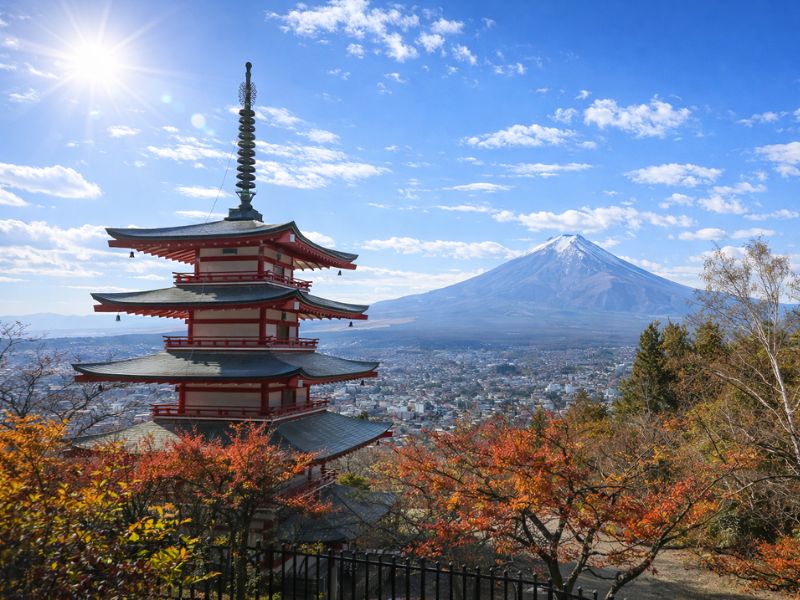
There is no single best time. The answer splits into two completely different questions: when do you want to climb, and when do you want to see the mountain? These rarely align. The climbing season runs July through early September, but summer is also when visibility from the lakes below is at its worst. Winter gives you the clearest views by far, but the trails are closed and dangerous. Knowing what you’re actually after is the first decision.
After guiding over 11,500 travelers through this region since 2012, the question we hear most often is some version of “what’s the best month?” And the honest answer is: it depends on whether you want to stand on the mountain or look at it.
For climbers, the official season is the only practical window. Trails close after September 10. Mountain huts shut down. Rescue services end. The four official routes are genuinely dangerous outside the season, with ice, avalanche risk, and no emergency support. Summer is hot and humid at the base but cold at the summit, and the mountain creates weather patterns that have very little to do with what Tokyo looks like that morning.
For sightseers, the calculus flips entirely. The best month for a clear, dramatic view of the snow-capped peak is February. The best month for photography combining the mountain with flowers is April. The best month for that red-and-gold autumn scene is November. None of those require climbing anything.
We always tell first-time visitors: define your goal before you book a date. The sections below break down each season, each month, and what you actually get for each one.
Want to know when Fuji actually shows itself versus when it hides behind cloud cover for days at a time? Here’s our best time to see Mount Fuji tours guide so you book with realistic expectations.
When Is Mount Fuji Climbing Season and What Are the Rules?
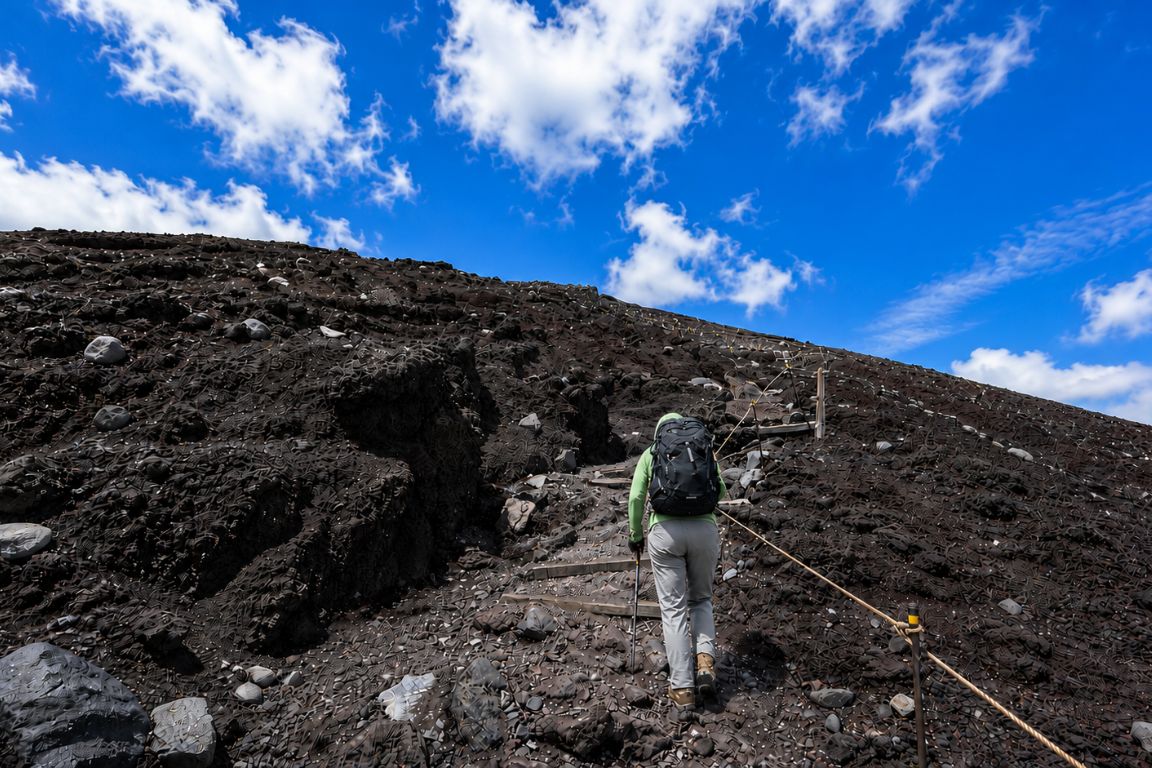 The official climbing season runs from July 1 to September 10 for the Yoshida Trail, and July 10 to September 10 for the Shizuoka-side trails (Fujinomiya, Subashiri, Gotemba). All climbers pay a mandatory ¥4,000 entry fee. Pre-registration is required for all trails in 2026. The Yoshida Trail gate closes at 2:00 PM daily, reopening at 3:00 AM. The daily cap is 4,000 climbers on the Yoshida Trail.
The season is short by design. Only during this window are the trails maintained, mountain huts staffed, and emergency rescue services active. Snow and ice clear from the paths by early July. By mid-September, conditions deteriorate fast. Outside these dates, off-season climbing is possible only at serious personal risk and is strongly discouraged by Japanese authorities.
Within the season, timing matters. Early July has the fewest crowds but carries residual rainy season weather. Late July and August are peak weeks, especially around Obon holidays in mid-August when the Yoshida Trail can hit its 4,000-climber daily limit. Early September is arguably the sweet spot: crowds drop sharply after school vacation ends, weather stabilizes after the rainy season, and all facilities remain fully operational.
The gate closure rule deserves attention. Since 2024, the Yoshida Trail gate shuts to new entrants at 2:00 PM. If you arrive after that without a mountain hut reservation, you will not get through. This was introduced to prevent “bullet climbing,” the dangerous practice of rushing straight up overnight without rest. Those with confirmed mountain hut bookings can enter during restricted hours, but the system means spontaneous same-day decisions no longer work for summit climbers.
Weekend climbing between late July and August fills mountain huts in days once reservations open. If you’re targeting a weekend summit in peak season, book huts as soon as reservations open in spring. Weekdays between early July and early September almost never hit the daily cap and are far more comfortable on the trail. Hut prices, booking routes and the lower-altitude alternatives are set out in where to stay near Mount Fuji.
If you’d rather have someone manage the registration, hut booking, and trail logistics, the 2-day guided climb from Tokyo is built around those steps.
Wondering which climbing season dates apply, whether altitude sickness is a real concern, and what a guided tour adds beyond just showing you the trail? This can you climb Mount Fuji on a tour guide covers the practical details most first-timers overlook.
What Is Mount Fuji Like in Spring and Why Do Travelers Love It?
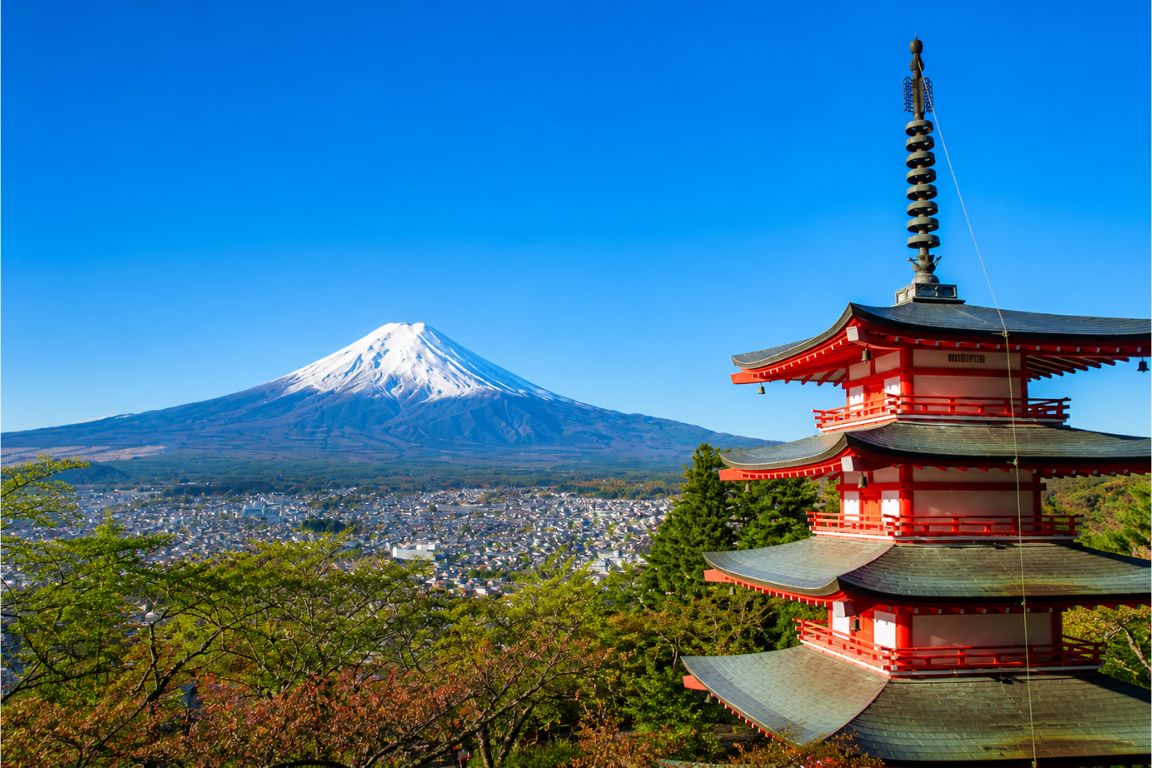 Spring at Mt. Fuji is primarily about cherry blossoms and photography. The Chureito Pagoda shot, a five-story red pagoda framed by sakura with the snow-capped mountain behind it, happens in late March to mid-April. The shibazakura (pink phlox) festival runs from mid-April into late May at Fuji Motosuko Resort. Climbing is not possible in spring, but the lake area is at its most visually dramatic during these weeks.
The cherry blossom window around the Fuji Five Lakes is narrow, usually 10 to 14 days, and the timing shifts slightly year to year. Late March to mid-April is the usual range for Kawaguchiko. The Chureito Pagoda at Arakurayama Sengen Park is the most photographed spot: 398 steps up, free entry, and a view that has appeared on more Japan postcards than almost anything else in the country. Arrive before 8:00 AM to have it mostly to yourself. By 10:00 AM on a clear spring morning, it is very busy.
The mountain still wears its full snow cap in spring, which is why the photography is so strong. That contrast, white summit against blue sky, sakura in the foreground, is the specific image people come to capture. Visibility in March is still reasonably good, around 50% of days offering a clear full view of the peak. April drops to about 25% for full views, though early mornings remain your best window.
After the sakura fade in late April, the shibazakura festival takes over. Around 800,000 stalks of pink phlox bloom across Fuji Motosuko Resort, about 3 km south of Lake Motosuko. The best timing is usually the first three weeks of May. The festival runs from mid-April to late May, with admission of ¥1,000 to ¥1,300 depending on timing. It is one of the more unique floral events in Japan: a carpet of pink at the base of the mountain, nothing quite like it elsewhere in the region.
Spring crowds are real, especially during cherry blossom peak and Golden Week (late April to early May). Book accommodation well ahead if you’re targeting either of those windows.
Why Do So Many People Visit Mount Fuji in Summer (And Should You)?
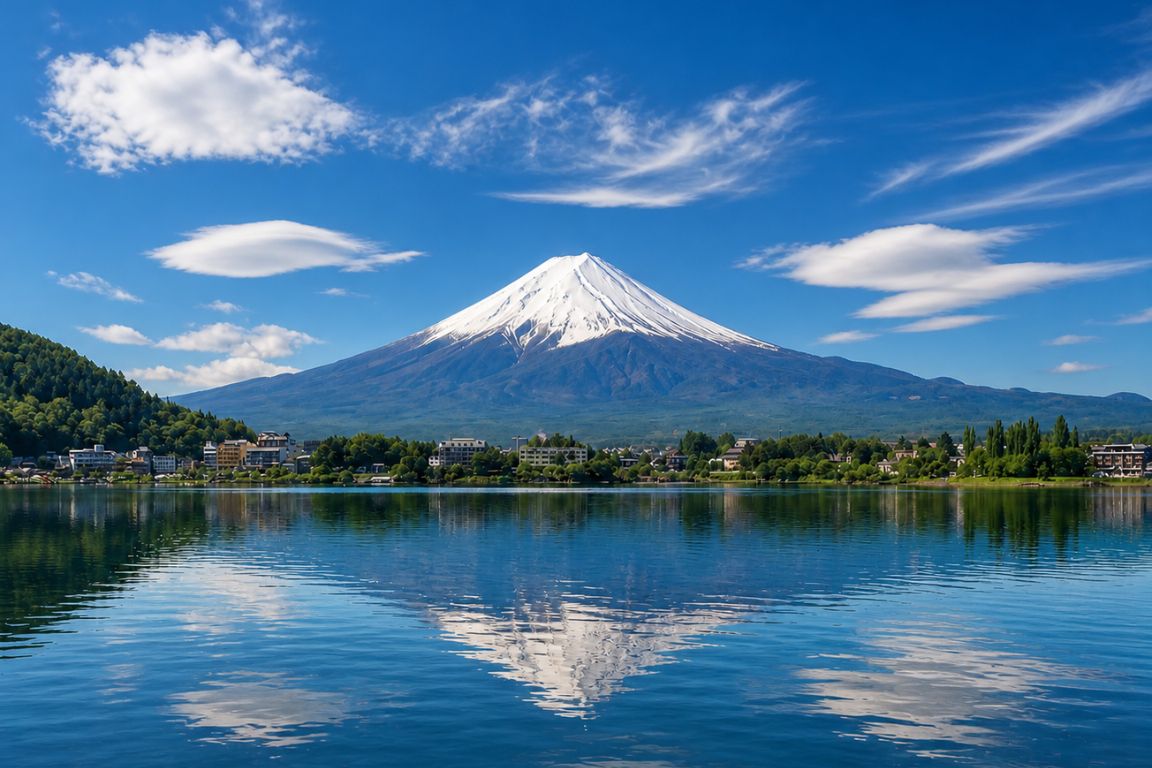 Summer draws the most visitors because it’s the only time you can climb to the summit. Between July and early September, all four trails are open, huts are staffed, and guided tours operate daily. But summer is also when humidity is highest, trail crowds are worst, and visibility from the lake viewpoints below is weakest. If climbing is your goal, summer is your only option. If you’re coming purely for the view, summer is the worst season for it.
Here’s the thing about summer at Fuji that surprises nearly every first-timer. The mountain is often invisible from the lakes during July and August. Humid Pacific air wraps the peak in cloud more days than not. August is statistically the worst month for visibility, with the mountain clearly seen on fewer than 6 days in an average month. You can be at Lake Kawaguchiko on a warm, sunny July afternoon and see nothing but white haze where the mountain should be.
For climbers, none of that matters much. You’re going up into the cloud, not looking at it from below. And the summit sunrise experience, Goraiko, is something you earn through the climb rather than observe from a distance. The sea of clouds below the peak at dawn, looking like a lit floor under a dark sky, is precisely why people endure the 10-hour roundtrip. It does not photograph like a landscape. It registers as a feeling.
The practical reality of peak season climbing: Obon week in mid-August is the single busiest week of the year. The Yoshida Trail’s 4,000 daily cap activates most frequently then. Mountain hut queues for dinner can stretch an hour long. The summit at sunrise can hold hundreds of people at once. If the experience you’re after is solitude, early July weekdays or early September weekdays give you the same season with a fraction of the people.
Summit temperatures in summer sit between 5°C and 8°C. Afternoon thunderstorms are common. The mountain generates its own weather and conditions at the top can change in under an hour. None of this makes the climb not worth doing. It means you go prepared, with layers, rain gear, and a realistic timeline that doesn’t depend on everything going perfectly.
What Makes Autumn One of the Best-Kept Secrets for Visiting Mount Fuji?
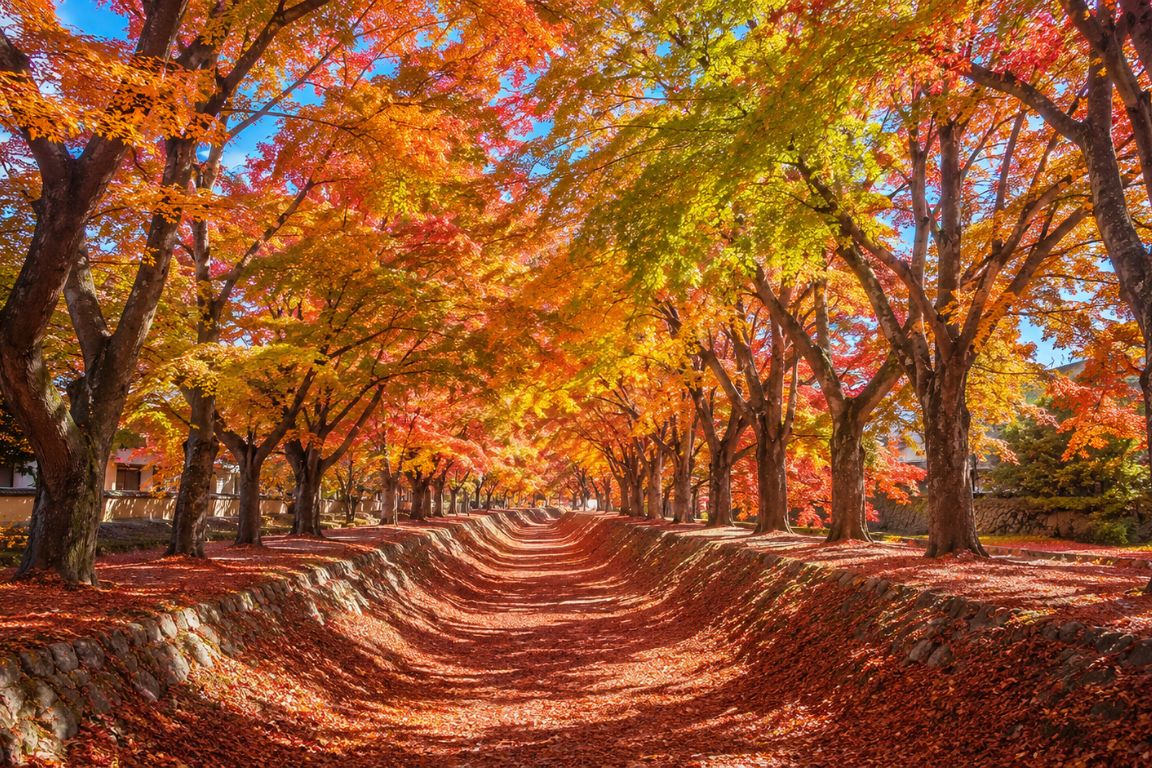 Autumn is the season that converts the most visitors into repeat visitors. From October into November, the climbing season has ended, crowds drop, the air clears considerably, the first snow caps the summit in October, and autumn foliage around the Five Lakes turns the landscape dramatically. Visibility is significantly better than summer, without the winter cold. For non-climbers, it’s arguably the most balanced time of year to visit.
October is a transition month. Early October can still carry some summer haze, but as the month progresses, the air sharpens. Visibility jumps to around 61% of days for clear views by mid-October. Then the first snow falls on the summit, usually in the second or third week of October, and the mountain transforms. The classic Fuji silhouette, white cone against blue sky, arrives exactly when the maple trees around the lakes start turning.
November is the peak of it. The Momiji Corridor along the northern shore of Lake Kawaguchiko is a stretch of maple trees that arch over the road in deep red and orange. Lake Kawaguchiko on a calm November morning, mountain reflected in the water, foliage framing the shore, is genuinely one of the most beautiful natural scenes in Japan. Visibility on the north side runs at around 90% of clear-weather days in November according to long-term tracking data.
Temperature in October and November runs 8°C to 20°C during the day, dropping sharply at night. Comfortable for walking, cool enough to want layers in the morning. The lake area is active with seasonal festivals and illuminations. The Kawaguchiko Autumn Leaves Festival runs through November, with the Momiji Corridor lit up in the evenings. It’s a different pace from the summer climbing rush, and most visitors who come in autumn say they wish they’d known about it sooner.
Diamond Fuji season also begins in October. From around October 25, the setting sun begins to align with the summit of Mt. Fuji when viewed from Lake Yamanaka. Photographers come from across Japan for this. The phenomenon runs through to late February, with February being the most reliably clear window for it.
We’ve put together a full rundown in our what to expect on a Mount Fuji tour guide so you know exactly how the day unfolds from the moment you leave Tokyo to the moment you get back.
Why Winter Gives You the Best Views of Mount Fuji
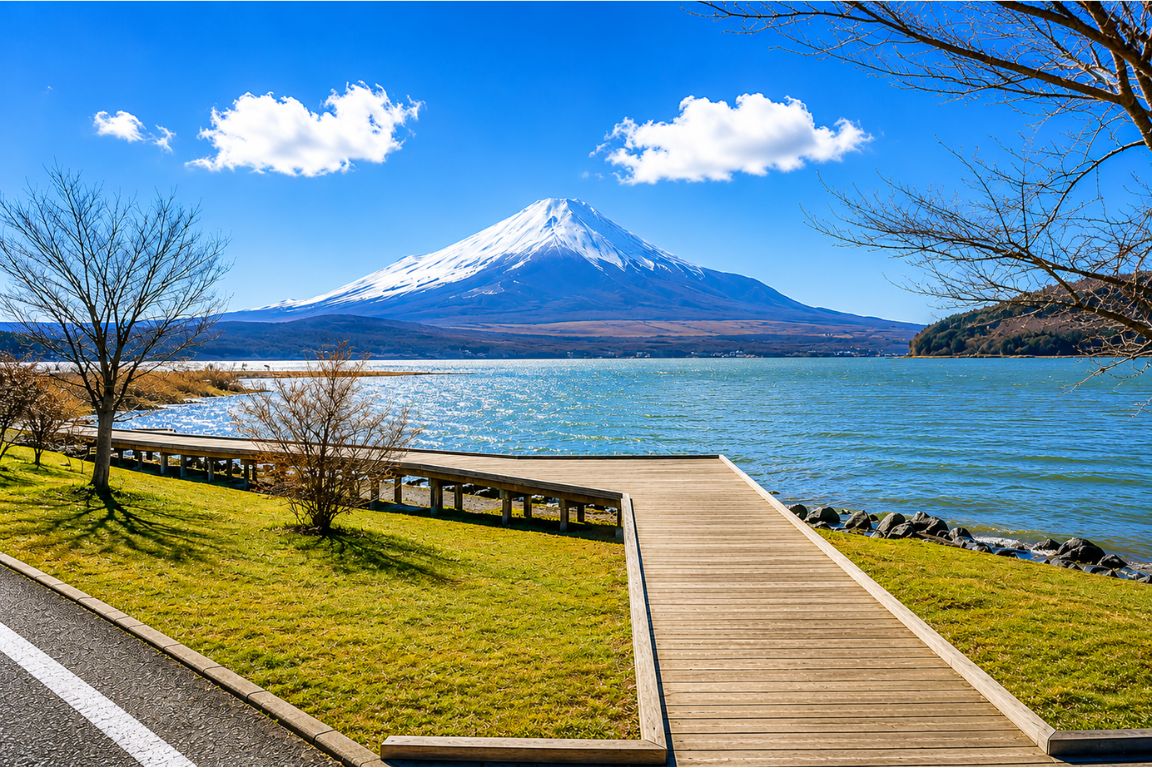 December through February is when the mountain looks the way it does in every painting and photograph you’ve ever seen. Dry continental air from the northwest strips out haze. The summit is fully snow-covered. Visibility from Lake Kawaguchiko exceeds 60% of days in January and February, compared to less than 10% in August. Crowds at the lake area are low. Accommodation costs drop. Climbing is closed and genuinely dangerous, but for sightseers and photographers, winter is the season.
The numbers are not close. In February 2025, both the north and south sides of the mountain recorded near-100% clear-peak days. January and February average full visibility around 61 to 79% of the time. In August, the comparison figure is under 6%. This is not a marginal difference. It’s the difference between visiting a mountain and visiting a cloud.
Winter at the base is cold, 3°C to 8°C average in January, with overnight temperatures dropping below freezing. The lake area itself is quiet in a way it simply isn’t during any other season. Hotels are cheaper and easier to book. The local bus network still runs, though less frequently than peak season. A morning at the north shore of Lake Kawaguchiko in January, when the water is still and the mountain fills the horizon above the opposite shore, is something worth making a special trip for.
The Diamond Fuji phenomenon peaks in February. Between February 1 and 22, the designated “Diamond Fuji Weeks” at Lake Yamanaka, the setting sun aligns with the summit at around 4:00 PM, creating a momentary solar flare at the peak. On calm days, it reflects in the lake below for a “Double Diamond.” It’s brief, less than a minute, and entirely weather-dependent. But for photographers who plan around it, it is one of the most technically satisfying natural events in the Japanese calendar.
The Kawaguchiko Winter Fireworks run on Saturday and Sunday evenings from late January to late February, launched from Oike Park. Fireworks over a snow-capped mountain at 8:00 PM, reflected in a cold lake, with a fraction of the summer crowds. That specific combination is hard to find anywhere else.
Questions about the best viewing spots in winter? The photo-spots day tour from Tokyo is built around viewpoints and runs through the winter months.
There are more scenic spots around Fuji than most one-day tours can cover – our Mt. Fuji tours scenic spots explained guide breaks down which ones deserve priority based on what you actually came to see.
When Is Mount Fuji Most Crowded and How Do You Avoid the Worst of It?
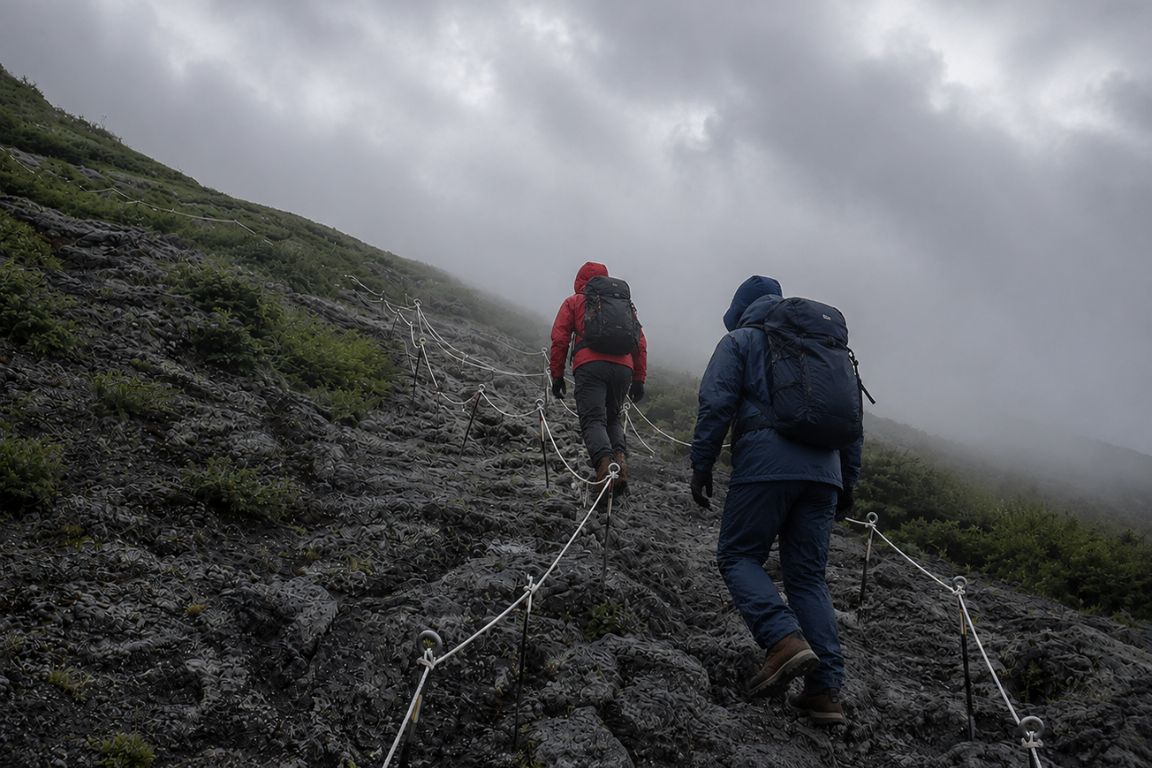 The most crowded period is mid-August, specifically the Obon holiday week when Japanese families travel in large numbers. Late July and all August weekends are also heavily congested on the trails and around the lake area. Cherry blossom season in late March and early April draws large crowds to the viewpoints. The least crowded times are weekday mornings in winter, early July on the trails, and early September once school vacations end.
The Yoshida Trail‘s 4,000 daily climber cap activates most frequently during Obon, typically around August 12 to 15. Historical data from 2024 and 2025 shows the cap triggered on approximately 10 to 15 days per year, almost all of them Saturdays, Sundays, and Obon holiday days. On those days, climbers without mountain hut reservations who arrive after the cap is reached are turned away at the gate. There is no exception and there is no negotiating it.
Weekday climbing during climbing season is a genuinely different experience from weekend climbing. The same trail, the same mountain, a fraction of the people. We consistently tell clients: if you have flexibility on dates, a Tuesday or Wednesday climb in July or early September will give you a more personal experience of the mountain. The huts are quieter. The summit feels bigger. The trail moves at your pace.
For the lake area and viewpoints, the cherry blossom crowds at Chureito Pagoda in late March and April can be significant from mid-morning onward. Arriving before 8:00 AM makes a real difference. In summer, Kawaguchiko is busy throughout the day during July and August weekends. Autumn is markedly calmer. Winter is the quietest of all except around the Diamond Fuji viewing periods and fireworks weekends, which draw enthusiasts.
What Does Mount Fuji Look Like Each Month? A Month-by-Month Summary
Every month offers something different. Here’s the condensed version, followed by the detailed breakdown in the section below.
| January | Closed | Excellent (61%+) | Low | Crystal views, Diamond Fuji, winter fireworks | 2°C to 8°C |
| February | Closed | Best of year (79%+) | Low | Diamond Fuji Weeks, winter fireworks, cheapest accommodation | 3°C to 9°C |
| March | Closed | Good (50%) | Low to moderate | Early cherry blossoms at lower elevations | 6°C to 14°C |
| April | Closed | Moderate (25%) | High | Chureito Pagoda + sakura (late March to mid-April) | 10°C to 18°C |
| May | Closed | Good (40%) | High (Golden Week) | Shibazakura festival, lush green forests | 14°C to 22°C |
| June | Closed | Worst (7%) | Moderate | Rainy season, hydrangeas, pre-climb preparation | 17°C to 24°C |
| July | Open July 1 | Low (10-15%) | High to very high | Climbing opens, lavender at Lake Yamanaka | 20°C to 28°C |
| August | Open | Worst for views (<6%) | Peak (Obon) | Peak climbing season, summer fireworks, sunflowers | 21°C to 29°C |
| September | Closes Sep 10 | Improving (30-40%) | Moderate | Best climbing window for low crowds, post-typhoon clarity | 17°C to 25°C |
| October | Closed | Good (61%) | Moderate | First summit snow, Diamond Fuji begins, early foliage | 11°C to 20°C |
| November | Closed | Very good (90% north side) | Moderate | Peak autumn foliage, Momiji Corridor, Kawaguchiko festival | 6°C to 15°C |
| December | Closed | Excellent (61%+) | Low | Winter views begin, illuminations, quiet season starts | 3°C to 10°C |
Mount Fuji Month by Month: January Through December
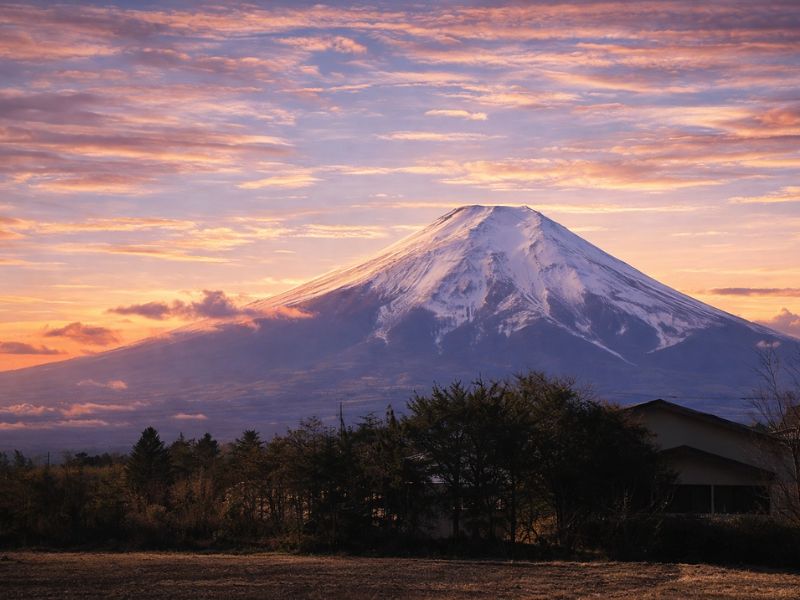
This is the section for people who already know their travel date and want to know exactly what to expect when they arrive.
January
January is one of the best months to see Mt. Fuji. The snow cap is fully formed. Continental dry air from the northwest keeps humidity low, and full visibility runs around 61% or better of days. The area is quiet. Accommodation around Kawaguchiko is cheaper than any other time of year. The Diamond Fuji phenomenon is active at Lake Yamanaka, with the setting sun aligning with the summit from around January 18 onward. Winter fireworks at Lake Kawaguchi run on weekend evenings from late January. Temperatures around the lakes hover between 2°C and 8°C. Bring proper winter layers. The views reward early risers, so plan for the first hour after sunrise.
Chureito, Kawaguchiko & Oshino: Scheduled Dates
Link Chureito Pagoda, Oishi Park and Oshino Hakkai in one day by coach.
Check Dates For Chureito, Kawaguchiko & OshinoFebruary
February is statistically the best single month to see Mt. Fuji. In 2025, the peak was fully visible close to 79% of days, and some years have recorded near-perfect clarity for the entire month. The designated Diamond Fuji Weeks run from February 1 to 22 at Lake Yamanaka, when the setting sun aligns with the summit at around 4:00 PM. On perfectly still days, the reflection in the lake creates the Double Diamond, a sight that draws serious photographers from all over Japan. Winter fireworks continue through February 23 at Lake Kawaguchi. Mt. Fuji Day falls on February 23 (the date 2-2-3 reads “Fuji” in Japanese), with local events and celebrations across the region. It is cold, 3°C to 9°C, but the combination of events, visibility, and low crowds makes this arguably the most underrated month for a Fuji visit.
March
March is a transitional month. Early March still carries winter clarity, with roughly 50% of days offering a clear full view of the mountain. As the month progresses, humidity starts building and visibility gradually declines. Cherry blossoms begin at lower elevations in the Fuji area in late March, usually a few days behind Tokyo’s peak. The mountain still holds its snow cap. Mornings are your best window for views. Bring a heavy coat for morning and evening, though midday can reach 14°C. By the last week of March, early visitors to Chureito Pagoda can catch the beginning of sakura season with the mountain still clearly visible against morning light.
April
April is cherry blossom season and one of the most photogenic months at Mt. Fuji. The Chureito Pagoda shot, sakura and pagoda and mountain in a single frame, peaks in the first two weeks of April most years. Visibility drops to around 25% for full views, but mornings remain reliably clearer than afternoons. Crowds are significant. The Kawaguchiko area draws large numbers on weekends, especially during peak sakura days. Arrive before 8:00 AM for Chureito if you want any quiet. Golden Week begins at the very end of April, bringing some of the year’s heaviest visitor traffic to the region. Mid-April to early May is also the start of the shibazakura festival at Fuji Motosuko Resort.
May
May is underrated. The rainy season hasn’t started yet. Temperatures are pleasant, 14°C to 22°C. The shibazakura festival at Fuji Motosuko Resort is in full effect, usually peaking in the first three weeks of May. The fields, roughly 800,000 pink and white phlox plants, with Mt. Fuji rising behind them on clear days, are genuinely worth the trip on their own. Visibility is around 40% for full views, which is better than most of summer. Golden Week in late April and early May is very busy, but the weeks after Golden Week quiet down considerably. For travelers who want spring scenery without the peak cherry blossom crowds, early to mid-May after Golden Week is one of the best low-crowd windows of the warmer months.
June
June is the rainy season (tsuyu) and the worst month for visibility. The mountain is fully visible on as few as 7% of days. Cloud cover is near-constant, humidity is high, and the base area around the lakes is green but wet. Climbing has not yet opened (it opens July 1 for the Yoshida Trail). If your sole reason for coming is to see or climb Mt. Fuji, June is not the month to do it. If you’re combining a broader Japan trip and the Fuji area fits your routing, it can still be worthwhile for the greenery, hot springs, and lake atmosphere, just don’t build your itinerary around seeing the mountain. Hydrangeas bloom beautifully around the region in June, which offers its own photographic appeal, just not the peak you came for.
July
July 1 is when the Yoshida Trail opens for climbing, with the Shizuoka-side trails following on July 10. The first three weeks of July are the least crowded part of the climbing season. Weather is warmer and more stable than June, but residual rainy season patterns can bring cloud and rain into mid-July, and the mountain from below is often still obscured. Summit temperatures run 5°C to 8°C regardless of the heat below. The lavender fields near Lake Yamanaka are at their best in July. For climbers who want the full season experience without peak congestion, late July on weekdays is the start of the busy period, meaning early July weekdays are the window to target. Pre-register and book mountain huts early regardless of when in July you plan to go.
August
August is the peak of everything: most climbers, most visitors, most crowd density, least visibility from below. The Yoshida Trail’s daily cap activates most frequently during Obon week, usually around August 12 to 15. Mountain huts book out completely on peak weekends. The summit at sunrise can hold hundreds of people at once. For climbing, August is when most people go, but not when most experienced guides recommend going. The experience is legitimate and the summit sunrise is real, but early July or early September gives you the same mountain with a fraction of the people. August does have its charms at the base: summer fireworks at Kawaguchiko, sunflower fields near Lake Yamanaka, evening festivals around the Five Lakes. If you’re in Japan in August and want to include Fuji, do it, just set expectations around the crowds and be strategic with timing.
September
Early September is our recommended window for those who want to climb with fewer crowds. School vacation ends in late August, and the Obon rush subsides. All facilities remain fully operational through September 10. Weather is often more settled than mid-summer once the rainy season patterns clear. Typhoon season runs through September, which can disrupt plans, but the days after a typhoon passes frequently bring crystal-clear skies that offer some of the best visibility of the year both from the summit and from below. Visibility from the lakes improves through September, reaching 30 to 40% of days by end of month. The Yoshida Trail closes September 10, Shizuoka-side trails the same day, so plan to be on the mountain before then.
October
October is when the mountain changes face. The first snow falls on the summit usually in the second or third week of October, and the white cap reappears against a sky that’s been cloud-free and blue since late September. Visibility jumps to around 61% of days as continental air pushes in from the north. Diamond Fuji season begins at Lake Yamanaka around October 25. Early foliage begins in the Five Lakes area by late October. Temperatures drop to 11°C to 20°C range. The climbing season is over, the summer crowds have gone, and the mountain starts looking its photogenic best again. October is when we see a noticeable shift in the type of visitor, away from climbers and toward people who simply want to be near the mountain without rushing anywhere.
November
November is the foliage peak. The Momiji Corridor along the northern shore of Lake Kawaguchiko, where maple trees arch over the road in deep red and amber, is at its most vivid in the first two weeks of November most years. The Kawaguchiko Autumn Leaves Festival runs through November with illuminated evening events. Visibility on the north side runs around 90% of clear-weather days. The mountain is fully snow-capped. Temperatures are 6°C to 15°C, comfortable for walking with layers. It’s moderately busy with autumn leaf viewers but nothing like the summer peak. This is the month we recommend most consistently to visitors who want beauty, clarity, and a reasonable pace.
December
December marks the start of winter clarity. The mountain is visible over 61% of days, and holiday illuminations run around the lake area. Crowds are minimal once the Kawaguchiko Autumn Leaves Festival ends in late November. Accommodation is easy to book and prices drop. The snow cap is fully established by December, the air is dry and cold, and morning views from the north shore are frequently stunning. The Fuji area runs at a slower pace this month, with the region largely in the hands of local visitors and photographers rather than international tourism peak. Average temperatures run 3°C to 10°C around the lakes. If February is the clearest month, December is the beginning of that window, with fewer people than January and February because most travelers don’t yet think of it as “winter viewing season.”
What Our Clients Actually Book: Seasonal Data from Mt. Fuji Tours
| Clients who climbed in July vs. August | 35% July, 65% August |
| Clients who said weather affected their summit experience | 55% |
| Most common month for non-climbing sightseeing visits | November (42% of sightseeing bookings) |
| Clients who booked autumn visits after a summer climbing trip | 28% |
| Percentage who said they would have chosen a different month with better advice | 32% |
| Most requested “best time to visit” clarification before booking | 78% of all pre-booking inquiries |
The pattern we see most often: climbers book August because it’s school vacation. Photographers book November or February because they’ve done their research. First-timers who get good advice tend to shift toward early September for climbing and November for sightseeing. Those two windows consistently produce the most satisfied clients in our groups.
If you’d rather hand the timing decisions to a guide who can change the route on the day, the private customizable day tour from Tokyo is set up for that.
Frequently Asked Questions
What is the best month to see Mt. Fuji clearly?
February is statistically the clearest month. Historical data shows full visibility on around 79% of days in February, compared to under 6% in August. January and December also offer excellent clarity. Check a Mt. Fuji visibility forecast the night before your visit since conditions can change within hours.
When does Mt. Fuji get its snow cap?
The first snow typically falls on the summit in the second or third week of October. The cap builds through November and is fully established by December. Snow usually melts from the peak by June or early July, just before climbing season opens. For the classic snow-capped view, visit October through May.
Is it worth visiting Mt. Fuji if you can’t climb?
Absolutely. Most of our travelers across 11,500 guided visits have come for the view and the lake area rather than the summit. The Fuji Five Lakes area, Chureito Pagoda, Oshino Hakkai, and the ropeway at Kawaguchiko deliver a rich, varied experience across every season. Winter views, cherry blossoms, and autumn foliage are each compelling in their own right.
What is Diamond Fuji and when can you see it?
Diamond Fuji is a natural phenomenon where the setting or rising sun aligns exactly with the summit of Mt. Fuji, creating a brief diamond-like flare at the peak. From Lake Yamanaka, the sunset version is visible from mid-October through late February, with the designated Diamond Fuji Weeks running February 1 to 22. On calm days, the reflection in the lake creates a Double Diamond. It lasts less than a minute, and weather must cooperate, but it is one of the most memorable natural events in the Mt. Fuji area.
Should I visit in early July or late August for climbing?
Early July if you want fewer crowds and can accept some weather uncertainty. Late August if you want peak season energy and can handle the crowds. Early September is our recommendation for most first-time climbers: crowds have dropped, all facilities are still operating, and weather is often more settled after the rainy season patterns clear. It combines the advantages of both without the main downsides of either.
How crowded is Mt. Fuji during Obon?
Obon week, usually around August 12 to 15, is the single busiest period of the year. The Yoshida Trail’s 4,000-climber daily cap activates most frequently during this week. Mountain huts are fully booked. If you plan to climb during Obon, book huts months in advance, target early morning trail starts to avoid the worst congestion, and have realistic expectations about the summit experience.
Still working out when to go? Compare dates on a Fuji and Hakone day tour, or read tour vs DIY if you are deciding whether to plan the day yourself.
Written by Akira Nakamura
Japanese tour guide since 2012 · Founder, Mt. Fuji Tours
Akira has guided over 11,500 travelers up Mt. Fuji and through the Fuji Five Lakes region since founding the agency.