Train vs Bus to Mount Fuji
Bus or train to Kawaguchiko? Compare cost, travel time, comfort, and reliability to choose the best option from Tokyo.
Last updated: May 20, 2026
Keep the public-transport comparison above as your independent option. A tour adds a route and guiding: it is not a replacement ticket for the Fuji Excursion.
Booking Summary: Compare a coach-and-Shinkansen circuit, a local Kawaguchiko tour after your own journey, and a Tokyo rail-and-wasabi day. Airport transfers and standalone rail tickets are not included unless explicitly listed.
Scroll to the end for the complete comparison and provider booking links. Interactive matching requires JavaScript.
Quick Facts: Train vs Bus to Mount Fuji from Tokyo
| Route | Shinjuku/Tokyo Station to Kawaguchiko | Shinjuku to Kawaguchiko (direct) |
| Journey time | ~1h 45 min (no traffic); up to 3h in heavy traffic | ~1h 52 min (fixed) |
| One-way fare | ¥2,000 online / ¥2,200 at terminal | ¥4,130 |
| Transfers | None | None |
| Seat reservation | Required on booking; assigned seat | Recommended; reserved or unreserved options |
| Departures (Shinjuku) | ~2 per hour from early morning | 4 per day (weekdays); extra runs on weekends/peak |
| Traffic risk | Yes; Chuo Expressway can back up on weekends | None |
| JR Pass valid? | No | Partial (Shinjuku to Otsuki only; ¥1,570 extra for Fujikyu section) |
| JR Tokyo Wide Pass valid? | No | Yes (full journey) |
| Onboard amenities | Comfortable seats, no power outlets | Power outlets at every seat, Wi-Fi, luggage racks |
| Best for | Budget travelers, flexible schedules, airport connections | Timing reliability, luggage, comfort, Shimoyoshida access |
What Are the Main Ways to Get to Mount Fuji from Tokyo by Public Transport?
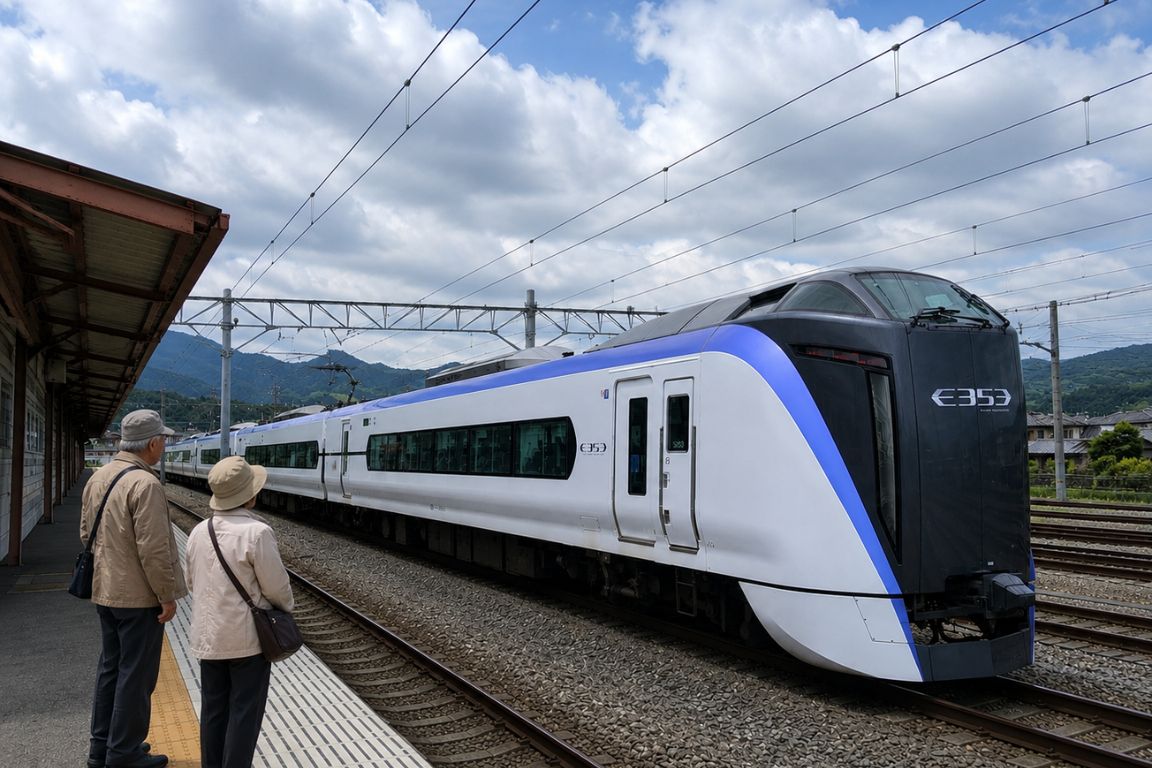 There are three practical public transport routes from Tokyo to the Mount Fuji area. The highway bus from Shinjuku to Kawaguchiko is the cheapest and most frequent option. The Fuji Excursion Limited Express train from Shinjuku to Kawaguchiko is the most reliable on timing and most comfortable. The JR Chuo Line to Otsuki followed by Fujikyu Railway to Kawaguchiko is the budget train option for those without the Fuji Excursion’s direct connection. All three end at Kawaguchiko Station, the main hub for the Five Lakes area. None of them go directly to the Mt. Fuji summit or the 5th Station that requires an additional bus from Kawaguchiko.
Most visitors think of the Fuji area as a single destination, but the geography matters for choosing transport. The main sightseeing hub is Kawaguchiko Station at Lake Kawaguchiko, about 100 km west of central Tokyo. The climbing season 5th Station on the Yoshida Trail is another 30 to 40 minutes from there by shuttle bus. Both highway buses and the Fuji Excursion train drop you at Kawaguchiko Station, from which all local transport departs.
There is also a direct bus service from Shinjuku to the 5th Station during climbing season (July 1 to September 10), which bypasses Kawaguchiko entirely. That bus costs ¥3,800 one way and takes about 2.5 hours. For climbers who are not planning to stop at the lake, this is the most direct option. For everyone else, Kawaguchiko is the destination and the bus or train comparison that follows applies.
The shinkansen does not go to Kawaguchiko. The nearest Shinkansen stop is Shin-Fuji on the Tokaido Shinkansen (operated by JR Central, not JR East), roughly 80 km south of the lake. Getting from Shin-Fuji to Kawaguchiko requires additional buses that can add 2 to 3 hours. This is not a practical route for most tourists.
Getting to Mount Fuji from Tokyo is straightforward but getting the most out of the visit takes more planning than most tourists expect – our how to visit Mount Fuji tours from Tokyo guide breaks down everything you need to know before you go.
How Does the Bus Compare to the Train for Getting to Kawaguchiko?
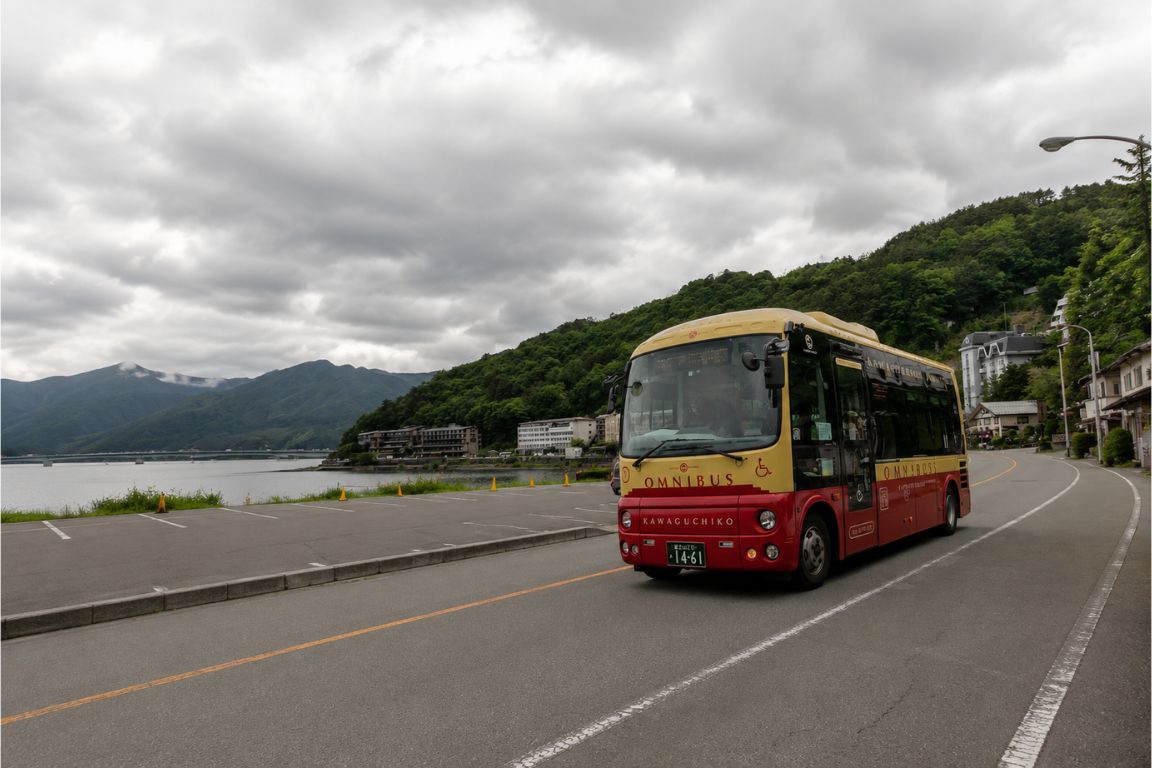 The bus wins on price and departure frequency. It costs ¥2,000 to ¥2,200 one way versus ¥4,130 for the Fuji Excursion, and runs roughly twice per hour from the Shinjuku Expressway Bus Terminal compared to just four round trips per day on the train. The train wins on timing reliability and comfort. The Fuji Excursion runs on a fixed schedule unaffected by road conditions, while weekend traffic on the Chuo Expressway can push the bus journey to 2.5 to 3 hours or more. Both arrive at the same station, Kawaguchiko. Neither requires a transfer.
The single most practical difference between bus and train is traffic. The Chuo Expressway connecting Tokyo to the Fuji Five Lakes area is one of the most congestion-prone highways in Japan on weekends and public holidays. On a clear weekday morning, the bus to Kawaguchiko runs in about 1h 45 min. On a busy Saturday in cherry blossom season or during Obon week, the same journey can take 3 hours or longer. The Fuji Excursion train has no equivalent risk. It runs on steel rails, departs on schedule, and arrives within a minute or two of the timetable regardless of what is happening on the expressway.
For a day trip where arriving before 9:00 AM is important for mountain visibility, this matters. The first highway bus from Shinjuku departs around 6:05 AM. The earliest Fuji Excursion departs Shinjuku at 7:30 AM and arrives at Kawaguchiko at 9:22 AM on the current timetable. On a weekday in winter, the bus at 6:05 AM is almost certainly the faster option to get you there before 8:30 AM. On a weekend in April, the 6:05 AM bus might not arrive until 9:30 AM or later if traffic builds early, while the 7:30 AM train arrives at 9:22 AM reliably.
| Price | ¥2,130 cheaper one way | |
| Frequency | ~2 per hour; first bus ~6:05 AM | |
| Timing reliability | Fixed schedule; no traffic risk | |
| Comfort | Power outlets, Wi-Fi, more legroom, toilets | |
| Luggage | Overhead racks + designated storage; easier boarding | |
| Airport access | Direct buses from Narita and Haneda | |
| Stops en route | Can stop at Oshino Hakkai on some routes | Stops at Shimoyoshida (for Chureito Pagoda) |
| Weekend risk | Unaffected by road congestion | |
| Booking window | Up to 1 month in advance; more flexibility |
A practical note on luggage: the bus has space under the coach for bags, but the interior is a standard coach layout without dedicated luggage racks. If you are traveling with large rolling suitcases, the train’s designated storage areas and overhead racks make life considerably easier. The bus works fine for day packs but becomes awkward with multiple pieces of substantial luggage on a crowded weekend service.
Not sure how to get to Kawaguchiko from Tokyo or how to structure a single day around the lake? Check out our Kawaguchi day trip from Tokyo guide before you start planning.
What Is the Fuji Excursion Train and Is It Worth It?
 The Fuji Excursion (Fuji Kaiyu) is the only direct Limited Express train from Shinjuku to Kawaguchiko, operated jointly by JR East and Fujikyu Railway. It runs 1h 52 min with no transfers, four round trips on weekdays and additional services on weekends and peak seasons. It costs ¥4,130 one way. Onboard: power outlets at every seat, Wi-Fi, overhead luggage racks, reclining seats, and a toilet. It is worth paying for over the bus when timing certainty matters – weekend trips, peak holiday periods, or any day when arriving by a specific morning hour is the goal.
The Fuji Excursion launched in 2019 and changed the transport picture for the Five Lakes area significantly. Before it, getting to Kawaguchiko by train always required a transfer at Otsuki. Now travelers board at Shinjuku’s Track 5 platform and step off directly at Kawaguchiko with no changes. The journey passes through the mountain valleys of western Tokyo and Yamanashi Prefecture, and Mt. Fuji becomes visible from the windows in the final approach. Right-side seats heading toward Kawaguchiko give the best mountain views during the approach.
The seat situation has a complication worth understanding. Technically the train has both “reserved” and “unreserved” ticket categories, but in practice there are no non-reserved cars. An “unreserved” ticket means you may board and sit in any seat showing a red lamp above it (indicating currently vacant). But seats can be reserved for later sections of the journey, shown by yellow lamps, meaning you may be asked to move before arriving at Kawaguchiko. On busy weekends this creates a chaotic standing situation in the aisles for passengers without reserved seats. The clear advice: book a reserved seat ticket. The cost difference is minimal and it removes all uncertainty.
Tickets open one month before departure on the official JR East reservation system (Ekinet) and through third-party platforms like Klook. Klook allows booking up to 90 days out. On spring and autumn weekends, peak season summer dates, and Golden Week, the 8:30 AM and 9:30 AM departures can sell out within days. If you have a fixed travel date, booking the moment the window opens is not overcaution.
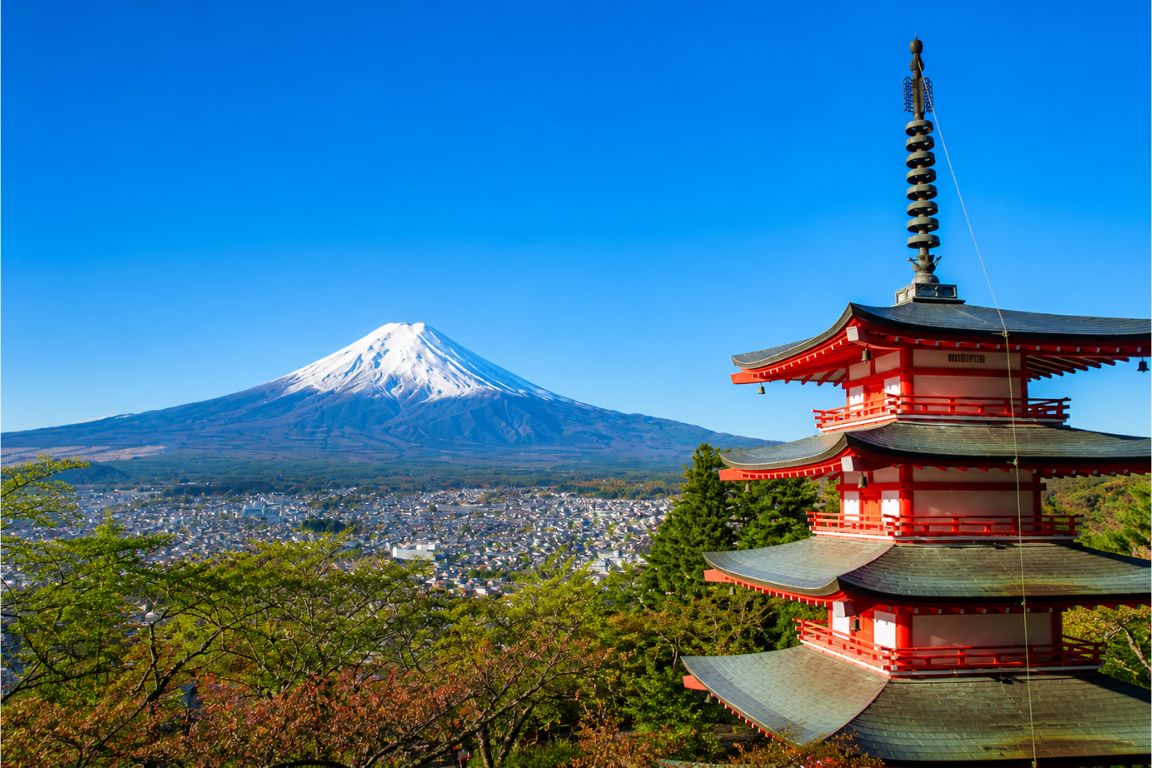
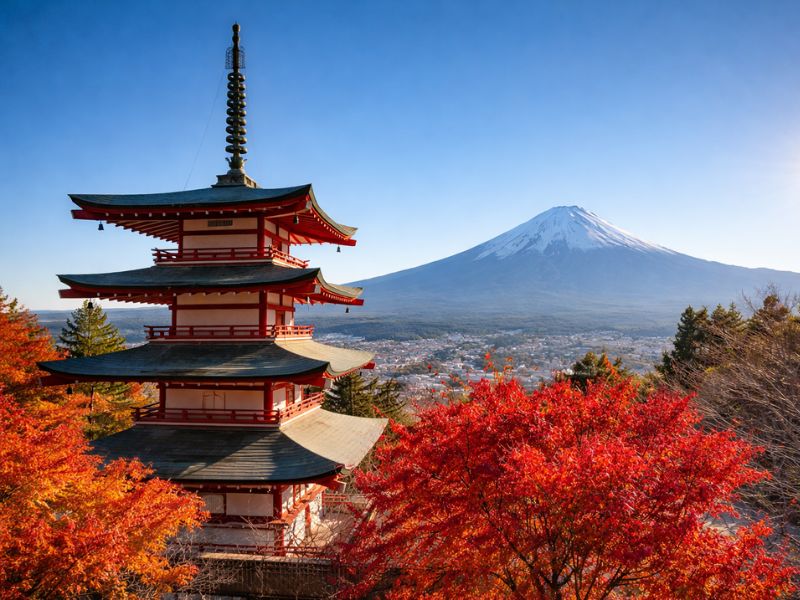
One stop worth knowing: the Fuji Excursion stops at Shimoyoshida Station (about 15 minutes before Kawaguchiko), which is the closest station to Chureito Pagoda. Travelers specifically visiting the pagoda can disembark here, walk 10 to 15 minutes to Arakurayama Sengen Park, and take a local Fujikyu Railway train to Kawaguchiko afterward. The highway bus does not stop at Shimoyoshida.
Not sure how to tell the difference between all the Mount Fuji tour options available from Tokyo? Here’s our Mount Fuji tour comparison guide so you cut through the noise and book the right one.
Which Is Cheaper: Train or Bus to Mount Fuji?
The bus is consistently cheaper. A one-way highway bus ticket from Shinjuku to Kawaguchiko costs ¥2,000 when booked online or ¥2,200 at the terminal. The Fuji Excursion train costs ¥4,130 one way. Using those one-way fares, a round trip costs ¥4,000 (online bus) versus ¥8,260 (train) – a saving of over ¥4,000 per person by choosing the bus. The budget train alternative via JR Chuo Line local trains to Otsuki then Fujikyu Railway to Kawaguchiko costs about ¥2,580 total one way but takes around 3 to 3.5 hours and requires a transfer.
Here is the complete cost breakdown for all options (prices verified May 2026):
| Highway bus (online booking) | ¥2,000 | ~1h 45 min (clear); up to 3h (traffic) | 0 |
| Highway bus (at terminal) | ¥2,200 | ~1h 45 min (clear) | 0 |
| Fuji Excursion (reserved seat) | ¥4,130 | ~1h 52 min (fixed) | 0 |
| JR Chuo limited express to Otsuki + Fujikyu | ¥3,600 (limited express) | ~2h 10 min | 1 |
| JR Chuo local to Otsuki + Fujikyu | ¥2,580 | ~3 to 3.5h | 1+ |
| JR Pass holder (Shinjuku to Otsuki) + Fujikyu | ¥1,170 (Fujikyu section only) | ~2h 10 min+ | 1 |
| JR Pass + Fuji Excursion (surcharge for Fujikyu section) | ¥1,570 (surcharge on top of JR Pass) | ~1h 52 min | 0 |
For travelers on a tight budget, the cheapest realistic option is the highway bus booked online at ¥2,000. The local train via Otsuki at ¥2,580 is marginally more but takes significantly longer and requires a transfer. For most visitors, the bus at ¥2,000 and the Fuji Excursion at ¥4,130 are the two serious options, and the choice comes down to the factors in the next section.
Round-trip savings with the bus over the Fuji Excursion: ¥4,260 per person. For a couple, that is ¥8,520 in transport savings – enough to cover a decent lunch, Kawaguchiko Ropeway, and lake cruise tickets. The cost premium for the train is real. Whether it is worth paying depends on your trip structure.
Which Is Faster and More Reliable: Train or Bus?
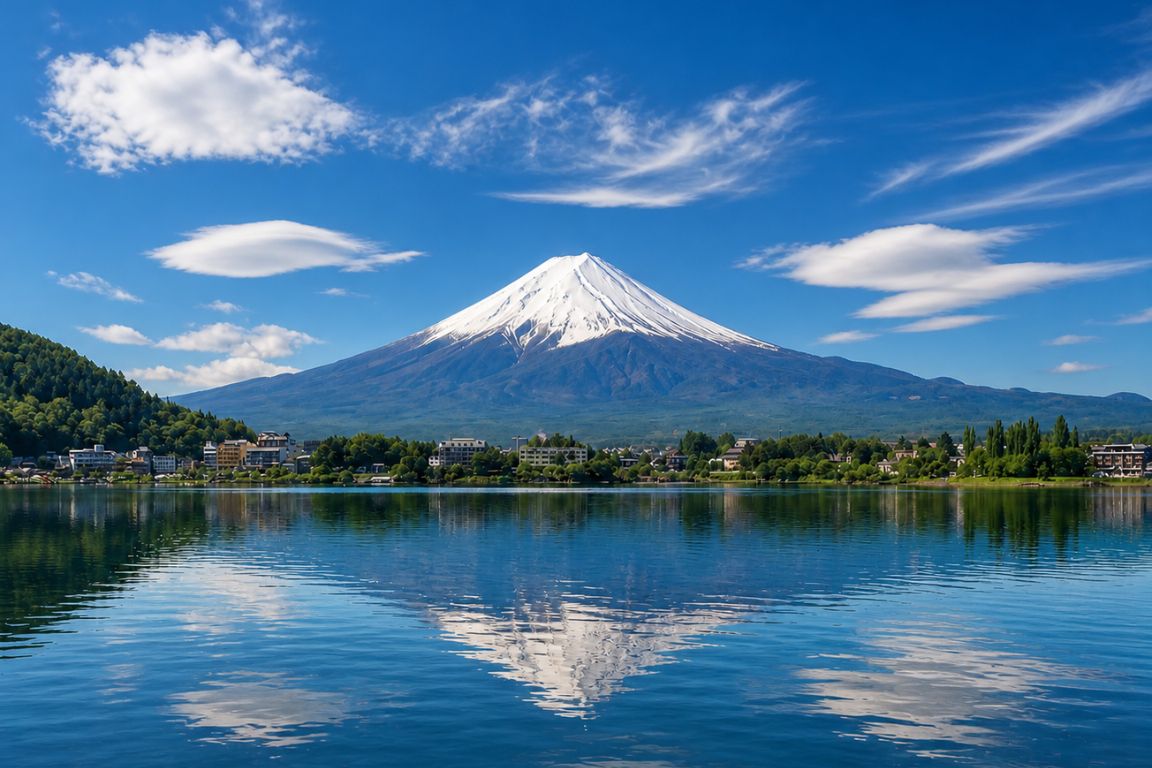 On paper, the bus is slightly faster: ~1h 45 min versus ~1h 52 min for the train. In practice, the train is more reliable. The Fuji Excursion departs and arrives within a fixed window unaffected by traffic. The bus on a clear weekday morning is indeed about 7 minutes faster, but on peak weekends or holidays the Chuo Expressway can add 30 to 90 minutes to the journey. If your itinerary depends on arriving by a specific time – especially for an early morning visibility window – the train delivers that certainty and the bus does not.
The Chuo Expressway pattern is well-established and consistent. On Friday evenings outbound and Sunday evenings inbound, congestion begins as early as 11:00 AM. On three-day holiday weekends during cherry blossom season (late March to mid-April), Golden Week (late April to early May), and Obon week (mid-August), traffic can back up severely from the Tokyo side for hours. The Monday after a long weekend often sees holiday-return congestion in the inbound direction from Kawaguchiko back toward Tokyo.
The practical implication for day-trippers: on a weekday, the bus is fast and inexpensive and there is no meaningful reason to prefer the train on timing grounds. On a weekend, especially any weekend in spring, summer, or autumn, the train’s fixed arrival time is a meaningful advantage. Arriving at the north shore of Lake Kawaguchiko at 9:22 AM (Fuji Excursion from 7:30 AM Shinjuku) is significantly better than arriving at an unknown time between 9:00 AM and 11:30 AM depending on expressway conditions.
A strategy some experienced travelers use on weekends: take the bus going (depart early, before 7:00 AM when expressway is still clear) and take the train returning (avoids the Sunday afternoon congestion on the return). This captures the bus’s cost advantage on the morning run while using the train’s timing reliability for the return. The Fuji Excursion has afternoon departures from Kawaguchiko at convenient times and is the safest option for the return journey on any peak travel day.
Fuji, Hakone & Bullet Train: Scheduled Dates
A coach, Hakone ropeway and Lake Ashi cruise, with the Shinkansen back to Tokyo.
Check Dates For Fuji, Hakone & Bullet TrainWhich Option Is Best for Different Types of Travelers?
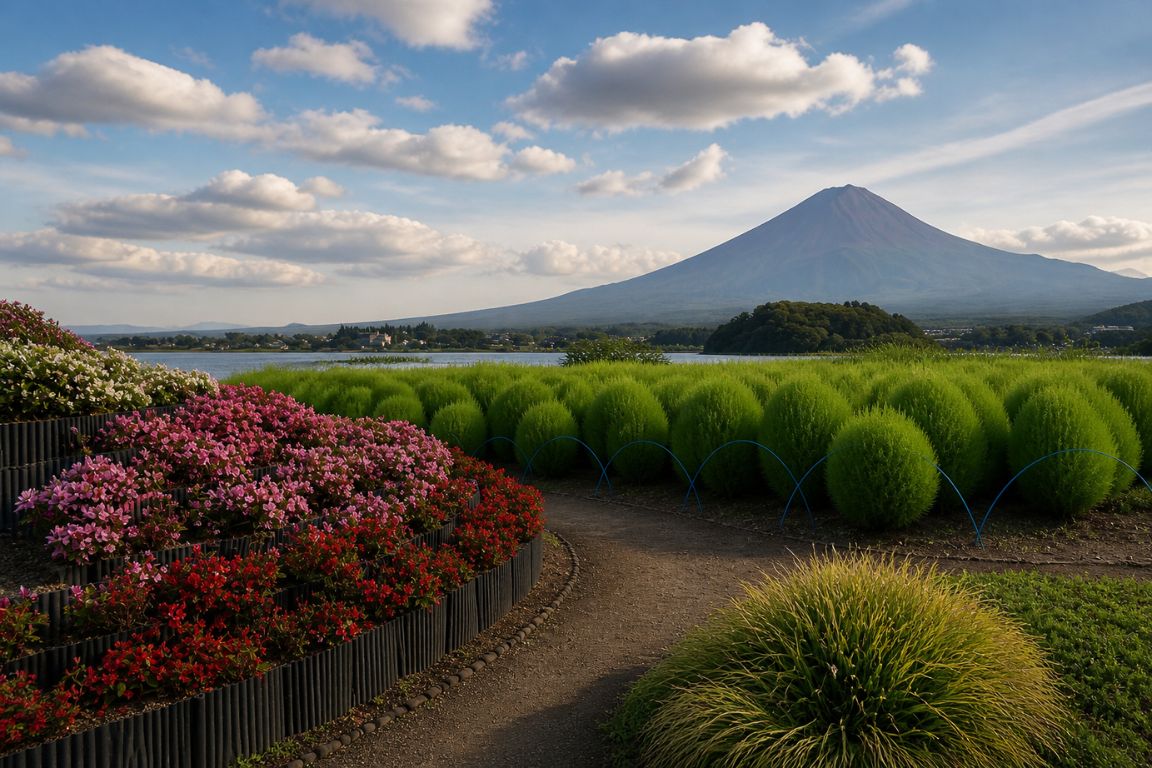 Budget travelers and solo day-trippers: bus. Families or couples with luggage traveling on weekends: train. JR Tokyo Wide Pass holders: train (it’s fully covered). JR Pass holders: train via the Otsuki transfer (cheaper surcharge) or Fuji Excursion (requires ¥1,570 surcharge for Fujikyu section). Travelers arriving from airports: bus (direct from Narita and Haneda with no Tokyo connection required). Photographers targeting an early morning window: bus on weekdays, train on weekends.
Breaking this down by traveler type:
The budget-conscious independent traveler making a weekday trip in winter or autumn, staying at Kawaguchiko overnight, departing on a clear morning. Take the bus. Book online at ¥2,000 one way. The savings are real and the trip is not time-critical because you are staying overnight.
The family with young children and rolling suitcases traveling on a Saturday in April or October. Take the Fuji Excursion. Reserved seats mean no crowding, the luggage situation is manageable, the toilets are onboard, and you know exactly when you arrive. Chasing the bus alternative with tired children and unpredictable traffic is not the right trade-off.
The JR Tokyo Wide Pass holder doing multiple day trips around Tokyo. Take the Fuji Excursion. The Tokyo Wide Pass covers the entire journey including the Fujikyu Railway section, and the round trip that would otherwise cost ¥8,260 now costs ¥0 incremental. The pass pays for itself in roughly 1.5 round trips between Tokyo and Kawaguchiko. If you’re also planning Nikko or Karuizawa on the same three-day pass, the Fuji trip becomes essentially free by comparison.
The regular JR Pass holder (the national pass, not the Tokyo Wide Pass). The regular JR Pass covers the Shinjuku to Otsuki section on the JR Chuo Line. From Otsuki, pay ¥1,170 extra for the Fujikyu Railway to Kawaguchiko (55 minutes). Total extra cost: ¥1,170 one way. This is the most economical train option for JR Pass holders. Alternatively, you can use the Fuji Excursion’s Fujikyu surcharge of ¥1,570 for a direct no-transfer ride. The ¥400 difference buys you the direct train and 45 minutes of time. Worth it for most JR Pass holders.
The traveler arriving at Narita or Haneda Airport who wants to go directly to Kawaguchiko without entering central Tokyo first. The bus is the answer. Both airports have direct highway bus services to Kawaguchiko. From Narita, allow around 3 to 4 hours including the expressway leg. From Haneda, about 2 to 2.5 hours. These are operated by Fujikyu and other carriers. Check current schedules on japanbusonline.com or highway-buses.jp. This airport-direct option does not exist for the train, which requires reaching Shinjuku first.
The photography-focused visitor with a specific clear-morning forecast who needs to be at Oishi Park by 8:30 AM. Take the first available bus on a clear weekday morning (departing Shinjuku around 6:05 AM, arriving around 8:00 AM under ideal conditions), or take the 7:30 AM Fuji Excursion and plan for a 9:22 AM arrival. The early bus has the edge for arriving at the lake before the train’s earliest service, but only works if the expressway cooperates.
Bringing the family to Fuji and not sure which experiences are actually suitable for children beyond just the view from the base? Here’s our visiting Mount Fuji tours with kids guide so you plan a day everyone can handle.
What About the JR Pass – Does It Cover the Journey to Mount Fuji?
The national JR Pass covers only part of the journey. It covers the JR Chuo Line from Shinjuku to Otsuki (about 70 minutes). From Otsuki, the final 55 minutes to Kawaguchiko runs on the Fujikyu Railway, which is a private line not covered by the standard JR Pass. A supplement of ¥1,170 per person one way is required for the Fujikyu section. The JR Pass also does not cover highway buses. The JR Tokyo Wide Pass (¥15,000 for 3 days, foreign passport holders only) is a different product that covers the entire journey including the Fujikyu Railway and the Fuji Excursion train.
This is the most common source of confusion at Kawaguchiko ticket gates. Travelers with the standard JR Pass often assume it covers the whole journey and arrive at Otsuki needing to pay for the Fujikyu section without having planned for it. The numbers: The same gap catches people arriving from western Japan, where the last leg is a Fujikyu bus rather than a Fujikyu train: see from Osaka or Kyoto for those fares.
| Standard JR Pass (national) | Shinjuku to Otsuki (JR Chuo Line) | ¥1,170 per person one way (Fujikyu section local train) |
| Standard JR Pass + Fuji Excursion | Shinjuku to Otsuki (JR section of Fuji Excursion) | ¥1,570 per person one way (Fujikyu section surcharge) |
| JR Tokyo Wide Pass | Entire journey including Fujikyu Railway and Fuji Excursion | ¥0 additional (panoramic observation car seats extra) |
| No JR Pass (full fare) | Not applicable | ¥4,130 one way (Fuji Excursion) or ¥2,000 to ¥2,200 (bus) |
The JR Tokyo Wide Pass is available only to non-Japanese passport holders (including foreign residents in Japan). It costs ¥15,000 for 3 consecutive days and covers JR East lines, the Fujikyu Railway, and several other private lines around the Tokyo region. It makes the most sense financially if you are also visiting Nikko, Karuizawa, or the Izu Peninsula on the same three-day window, as the pass pays for itself in roughly 1.5 Kawaguchiko round trips at full fare. Purchased online through Klook or JR East’s site, redeemed at major Tokyo stations.
One practical warning for JR Pass users on the Fuji Excursion: the standard JR Pass covers the JR section from Shinjuku to Otsuki and allows a free seat reservation for that section. But it does not cover seat reservation for the Fujikyu section from Otsuki to Kawaguchiko. This means JR Pass holders can only sit in whatever unreserved seats are available on the Fujikyu portion, which are identified by red lamps above the seat. On popular morning trains, these seats fill up fast. The guide on GoWithGuide notes that JR Pass users standing in the aisles is a frequent sight on this train. The solution: use the Tokyo Wide Pass instead of the national JR Pass if the Five Lakes are your primary day trip, or book a full reserved seat for the Fujikyu section separately.
What Happens When You Arrive: Getting Around Once You’re There?
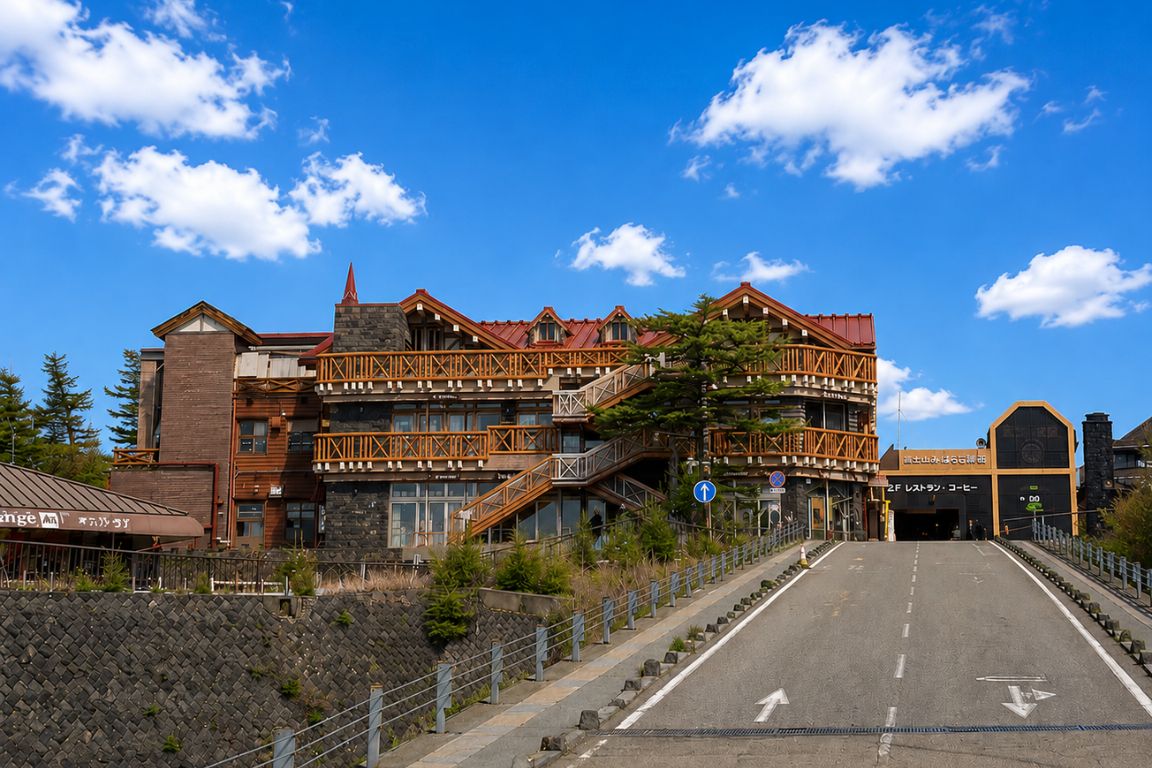 Both the bus and the Fuji Excursion train drop you at Kawaguchiko Station, which is the transport hub for the entire Five Lakes area. From here the Red Line sightseeing bus (day pass ¥1,500) covers the main viewpoints along Lake Kawaguchiko’s eastern and northern shores, including Oishi Park, the Ropeway, and the lake cruise pier. The Fujikyu Railway handles the short ride to Shimoyoshida for Chureito Pagoda. The Fujikko Bus reaches Oshino Hakkai in 30 minutes. Bicycle rental near the station is practical for the north shore. A rental car makes sense only for visiting the western lakes or remote viewpoints.
The arrival experience is identical whether you took the bus or the train. Both options deposit you at the same station building with the same bus stop, the same tourist information desk, and the same convenience stores. The station has coin lockers (¥600 to ¥1,000 per bag) for storing luggage during your day, though during peak season these fill up early. If you’re arriving on a holiday weekend with large bags, consider booking a hotel with storage and using the luggage service.
The Red Line sightseeing bus is the backbone of local transport. It departs from Stop 1 at Kawaguchiko Station every 15 minutes from 9:00 AM, running a loop along the lake’s east and north shores to the end of the line at Oishi Park (Kawaguchiko Natural Living Center). The day pass at ¥1,500 covers unlimited rides on all three sightseeing bus lines (Red, Green, and Blue). For a focused day at Lake Kawaguchiko with one or two rides in each direction, the day pass is good value. For a short visit hitting only one or two stops, paying per ride (~¥160 to ¥400 depending on distance) makes more sense.
The Fujikyu Railway from Kawaguchiko Station to Shimoyoshida Station takes about 15 minutes and costs approximately ¥240. This is the connection for Chureito Pagoda that the highway bus route misses. If Chureito is on your itinerary, the train route has a logistical advantage: you can disembark directly at Shimoyoshida on the Fuji Excursion without backtracking from Kawaguchiko.
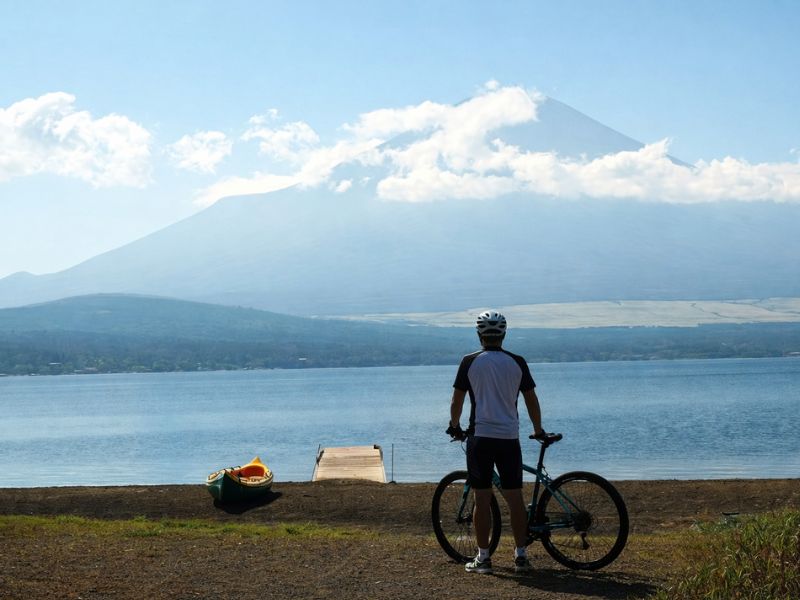
Bicycle rental is available from several shops within five minutes walk of the station. A half-day rental runs ¥1,000 to ¥2,000 for a standard bike. For the 25-minute ride from the station along the north shore to Oishi Park, cycling is genuinely enjoyable and lets you stop at any viewpoint spontaneously. On clear mornings the ride itself is one of the best parts of the day, with the mountain ahead of you for most of the route. Bring a windproof layer regardless of season.
For the 5th Station during climbing season: shuttle buses run from Kawaguchiko Station to the Fuji Subaru Line 5th Station in approximately 50 minutes at ¥1,570 one way, ¥2,300 return. Private cars cannot access the 5th Station during busy periods due to road restrictions, so the shuttle is often the only option in any case. The highway bus from Tokyo to the 5th Station (¥3,800 one way, 2.5 hours, climbing season only) bypasses Kawaguchiko entirely and makes sense only if the summit is your exclusive destination that day.
Not sure which viewpoints and scenic spots around Mount Fuji are actually worth your time versus which ones look better in photos than they do in person? Here’s our Mt. Fuji tours scenic spots explained guide so you prioritize the right ones.
How Our Clients Travel to Kawaguchiko: Data from Mt. Fuji Tours
| Clients who chose bus vs. Fuji Excursion train | Bus: 62% / Train: 38% |
| Clients who experienced significant bus delays (30+ min late) | 55% (weekend/peak season visits) |
| Most common regret among bus travelers on weekends | Traffic delay arriving too late for morning visibility window (88% of feedback) |
| Clients using JR Tokyo Wide Pass for Fuji day trip | 45% |
| Clients who used bicycle to get around Kawaguchiko | 22% |
| Most commonly missed stop due to transport confusion | Chureito Pagoda (35% who wanted to visit didn’t reach it) |
What we tell every client before they leave Tokyo: if you are going on a weekend or public holiday, book your transport the same day you book your accommodation. Both the Fuji Excursion morning trains and the first highway buses sell out weeks ahead during cherry blossom season and Obon. Flexibility on which day to go matters more than which mode you choose.
Questions about the best transport approach for your specific dates? Start with the tour versus independent travel comparison, or look at the Mt. Fuji and Hakone day tour with bullet train return if you want the transport included. We have navigated these options with 11,500 travelers since 2012.
Frequently Asked Questions
Is it better to take the bus or the train to Mount Fuji?
It depends on what matters most to you. The bus is cheaper (¥2,000 vs ¥4,130 one way) and runs more frequently. The train is more reliable on timing, more comfortable, and unaffected by traffic. On weekdays and off-peak trips, the bus is fine. On weekends or peak season, the train’s fixed schedule is worth paying for, especially if you need to arrive early for mountain visibility.
How far in advance should I book the Fuji Excursion train?
Tickets open one month before the travel date. For peak dates (cherry blossom season, Golden Week, summer weekends, autumn foliage season), book as soon as the window opens. Morning departures on spring and autumn Saturdays regularly sell out within a few days. Weekday off-season bookings are less urgent but still worth reserving a week or two ahead to guarantee your preferred seat.
Can I use my JR Pass for the full journey to Kawaguchiko?
No. The standard national JR Pass covers only the Shinjuku to Otsuki section. The Fujikyu Railway from Otsuki to Kawaguchiko requires a separate payment of ¥1,170 (local train) or ¥1,570 (Fuji Excursion surcharge). The JR Tokyo Wide Pass (¥15,000 for 3 days, foreign passport holders only) is the pass that covers the complete journey.
What is the earliest I can arrive at Kawaguchiko from Tokyo?
The first highway bus from the Shinjuku Expressway Bus Terminal typically departs around 6:05 AM. Under clear traffic conditions, this arrives at Kawaguchiko around 7:50 AM. The earliest Fuji Excursion train departs Shinjuku at 7:30 AM and arrives at Kawaguchiko at 9:22 AM. For the most critical early morning visibility window, the first highway bus on a clear weekday gets you there the earliest, though with traffic risk on weekends.
Can I go directly from the airport to Kawaguchiko?
Yes, by bus. Direct highway bus services run from both Narita Airport and Haneda Airport to Kawaguchiko, operated by Fujikyu and other carriers. From Haneda, allow about 2 to 2.5 hours. From Narita, allow 3 to 4 hours. This is useful for travelers who want to go to the Five Lakes area on arrival day without traveling through central Tokyo first. The Fuji Excursion train requires reaching Shinjuku Station first, so the airport bus is the more practical direct option from the airports.
What is the cheapest way to get to Kawaguchiko from Tokyo?
The cheapest option is the highway bus booked online at ¥2,000 one way. The local train via JR Chuo Line to Otsuki then Fujikyu Railway to Kawaguchiko costs around ¥2,580 but takes 3 to 3.5 hours and requires a transfer. For most visitors the ¥580 saving is not worth the extra 1.5 hours. The bus at ¥2,000 is the practical budget choice.
Not sure which transport option fits your specific dates and itinerary? Compare a self-planned day with a guided tour, or see the Mt. Fuji and Hakone day tour with bullet train return if you want transport handled as part of the day. We have navigated these options with 11,500 travelers since 2012.
Written by Akira Nakamura
Japanese tour guide since 2012 · Founder, Mt. Fuji Tours
Akira has guided over 11,500 travelers up Mt. Fuji and through the Fuji Five Lakes region since founding the agency.