Can You Climb Mount Fuji on a Tour?
Can you climb Mt. Fuji on a tour? Yes, and it’s recommended. Learn costs, what’s included, new rules, and how to book your climb properly.
Last updated: May 12, 2026
Yes, but choose a verified English-guided summit itinerary rather than a sightseeing tour with “Mt. Fuji” in its name. The package below follows Fuji and includes an 8th Station hut.
Booking Summary: The two-day summit plan includes coach transport, guide and hut meals; the climbing fee and gear rental are extra. A local Ochudo walk and lakes tour are separate, lower-demand alternatives.
Scroll to the end for the complete comparison and provider booking links. Interactive matching requires JavaScript.
Quick Facts: Climbing Mt. Fuji on a Tour in 2026
| Climbing season 2026 (Yoshida + Subashiri trails) | July 1 to September 10 |
| Climbing season 2026 (Fujinomiya + Gotemba trails) | July 10 to September 10 |
| Mandatory climbing fee (all trails) | ¥4,000 per person (Prices verified May 2026) |
| Daily climber limit (Yoshida Trail) | 4,000 per day (advance reservation required) |
| Gate closure times | All trails: 2:00 PM to 3:00 AM (hut reservation required to enter during closure) |
| Mandatory gear check (Yoshida Trail) | Warm clothing, two-piece waterproof rain gear, proper hiking boots – turn away if missing |
| Guided group climbing tour cost | ¥20,000 to ¥38,000 per person (excl. ¥4,000 fee) |
| Private guided climbing tour cost | ¥40,000 to ¥100,000 per person |
| Tour duration | 2 days / 1 night (standard); depart Tokyo Day 1, summit Day 2 at dawn |
| Summit success rate (general) | ~70 to 80% overall; 90%+ with well-paced guided tours |
| Altitude sickness risk | ~30% of all climbers experience mild symptoms; slow pace is the main prevention |
| Minimum age (most tours) | 6 years old |
| Mountain hut reservation opens (2026) | April to June depending on hut; books out fast for peak dates |
Can You Actually Climb Mount Fuji on a Guided Tour?
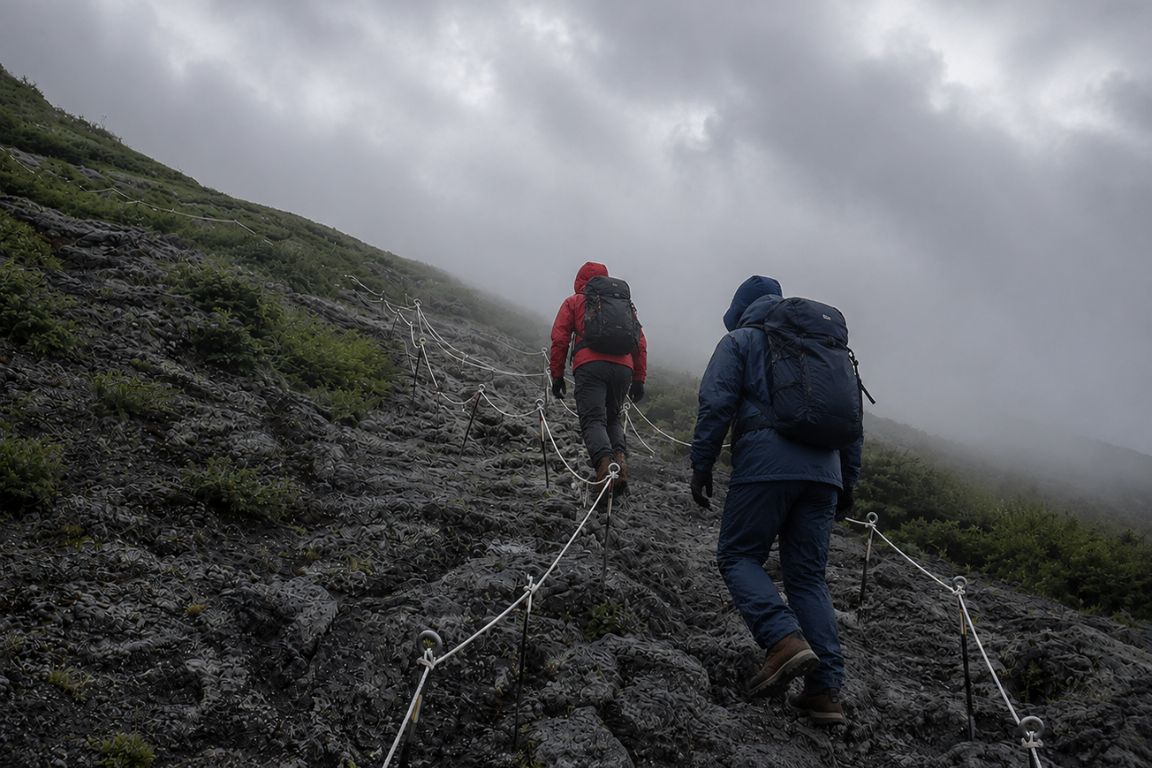 Yes. Guided climbing tours operate throughout the official season and are the most practical option for most first-time international climbers. A tour handles the logistics that are genuinely complicated to manage independently: advance fee payment and online registration, mountain hut reservations (which open months before the season and fill within hours on popular dates), transport from Tokyo, pacing guidance that is the single most important factor in summit success, and gear rental for those who don’t own hiking equipment. You don’t need to climb with a guide, but most people who do reach the summit. Most people who don’t, don’t.
That last point deserves context. Japan Guide estimates the general summit success rate at around 70 to 80% of all climbers who attempt the mountain. Tour operators who specifically focus on slow pacing and proper acclimatization report success rates above 90%. The difference is almost entirely explained by pacing. Untrained climbers who feel good in the first two hours push hard, exhaust themselves, and develop altitude sickness before the 8th station. Guided tours keep groups at a sustainable pace that allows acclimatization, regardless of how fit or impatient individual climbers feel on the lower slopes.
Climbing Mt. Fuji is legal and well-established without a guide. The trails are marked, the mountain huts provide food and water, and thousands of independent climbers complete the ascent every week during the season. If you have significant hiking experience, have read the regulations carefully, have booked your hut months in advance, and are comfortable navigating a foreign country’s mountain logistics in Japanese, going independently is viable. For most international visitors – especially first-timers – a guided tour removes the planning burden and improves the chance of reaching the summit. If you are arranging it yourself, the hut is the part to sort first: see where to stay near Mount Fuji.
One important distinction: this article focuses on climbing tours, which involve ascending to the actual 3,776-meter summit. This is entirely separate from sightseeing tours, which visit viewpoints and the 5th Station by vehicle without hiking. If the summit is not the goal, see a 5th Station, hot spring and Oshino Hakkai day tour instead.
Trying to compare Mount Fuji tours but finding all the packages look suspiciously similar? Check out our Mount Fuji tour comparison guide before you commit to anything.
What Does a Guided Mount Fuji Climbing Tour Include?
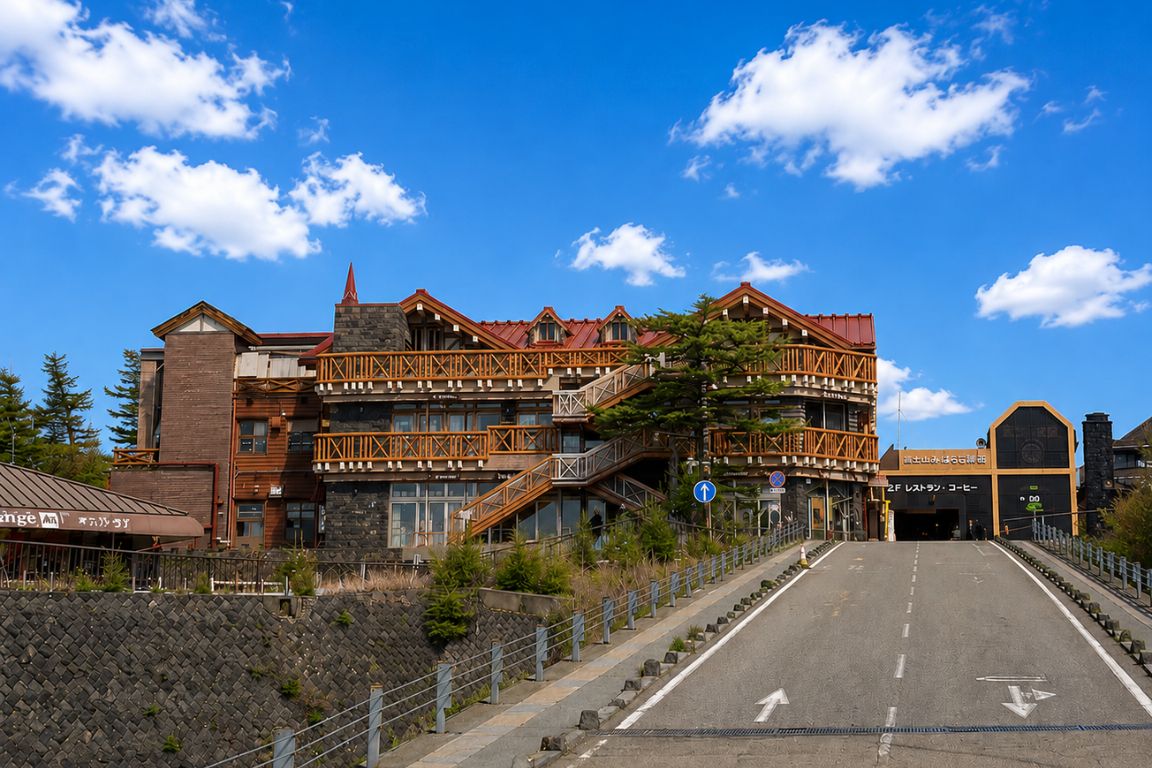 A standard guided climbing tour typically covers: round-trip bus transport from Shinjuku or a central Tokyo meeting point, mountain hut accommodation at the 7th or 8th station with dinner and breakfast, an English-speaking certified guide, and often gear rental as an add-on. The ¥4,000 climbing fee is sometimes included (check per tour) but often paid separately at the trailhead. Tours run two days and one night, departing Tokyo in the morning of Day 1 and returning the evening or night of Day 2 after the sunrise summit and descent.
Here is what a typical two-day guided climbing tour looks like hour by hour:
Day 1 – Ascent to mountain hut:
7:00 to 8:00 AM: Depart Tokyo by charter bus from Shinjuku or a nearby Tokyo meeting point. Travel time to the 5th Station is about 2.5 hours. Some tours pick up from your hotel.
10:00 to 10:30 AM: Arrive Fuji Subaru Line 5th Station (2,305 meters). Pay the ¥4,000 climbing fee at the gate (cash; coins preferred). Gear up. The guide conducts a briefing on pacing, altitude sickness prevention, and trail etiquette. Allow 45 to 60 minutes here for acclimatization before starting.
11:30 AM: Begin ascending the Yoshida Trail. The pace is deliberate and slow. This is the hardest thing for most first-timers to follow – the guide says slow down, the body wants to go faster, and the climbers who ignore this are the ones who stop before the summit.
4:00 to 5:00 PM: Arrive at the mountain hut at the 7th or 8th station (2,700 to 3,400 meters depending on tour). Check in. The huts are basic: bunk-style sleeping areas, shared facilities, no showers. The experience is communal and unique to mountain hut culture. Dinner is typically curry rice. It is hot and exactly what the body needs at altitude. Sleep early – most groups wake at 1:00 to 2:00 AM for the summit push.
Day 2 – Summit push and descent:
1:00 to 2:00 AM: Wake up, strap on headlamp, eat a light breakfast, gear up in cold layers. The guide leads the group up the trail in the dark. The sight of dozens of headlamp chains ascending in the blackness is one of the most visually distinctive experiences on the mountain.
4:00 to 5:00 AM: Summit (3,776 meters). Goraiko – the sunrise. The sun appears above the cloud deck at around 4:30 to 5:00 AM in summer. Whether the sky is clear or obscured is weather-dependent (only about 30 to 40% of climbers see a truly clear summit sunrise). The guide will have accounted for this and the experience of standing at the summit holds regardless.
5:00 to 7:00 AM: Crater rim walk (optional, approximately 90 minutes to Kengamine, Japan’s actual highest point). Most climbers skip this and miss the true summit.
7:00 to 10:00 AM: Descent. The descent is harder on the knees than the ascent. Loose volcanic gravel on the lower slopes makes footing unstable. Most tours use the designated descent trail (separate from ascent on the Yoshida Trail). Total descent time 3 to 4 hours.
12:00 to 1:00 PM: Return to 5th Station. Board the bus back to Tokyo. Many tours stop at an onsen facility on the way back – one of the most satisfying parts of the experience after 18 hours of climbing.
4:00 to 5:00 PM: Return to Tokyo.
We’ve put together a full rundown in our what to expect on a Mount Fuji tour guide so you know exactly how the day unfolds from the moment you leave Tokyo to the moment you get back.
| Bus transport (Tokyo to 5th Station, return) | Yes | Yes (private vehicle) |
| English-speaking certified guide | Yes (1 guide per group, 8-15 people) | Yes (dedicated guide) |
| Mountain hut accommodation | Yes (shared bunk dorm) | Yes (sometimes private room option) |
| Dinner (Day 1) + Breakfast (Day 2) | Yes | Yes |
| Climbing permit (¥4,000 fee) | Sometimes; confirm per tour | Usually included |
| Gear rental (boots, rain gear, poles, headlamp) | Optional add-on | Optional add-on or included |
| Post-climb onsen (hot spring) | Often included or optional | Often included |
| Travel insurance | Some tours; confirm per tour | Sometimes included for non-residents |
How Hard Is Climbing Mount Fuji, and Are Tours Suitable for Beginners?
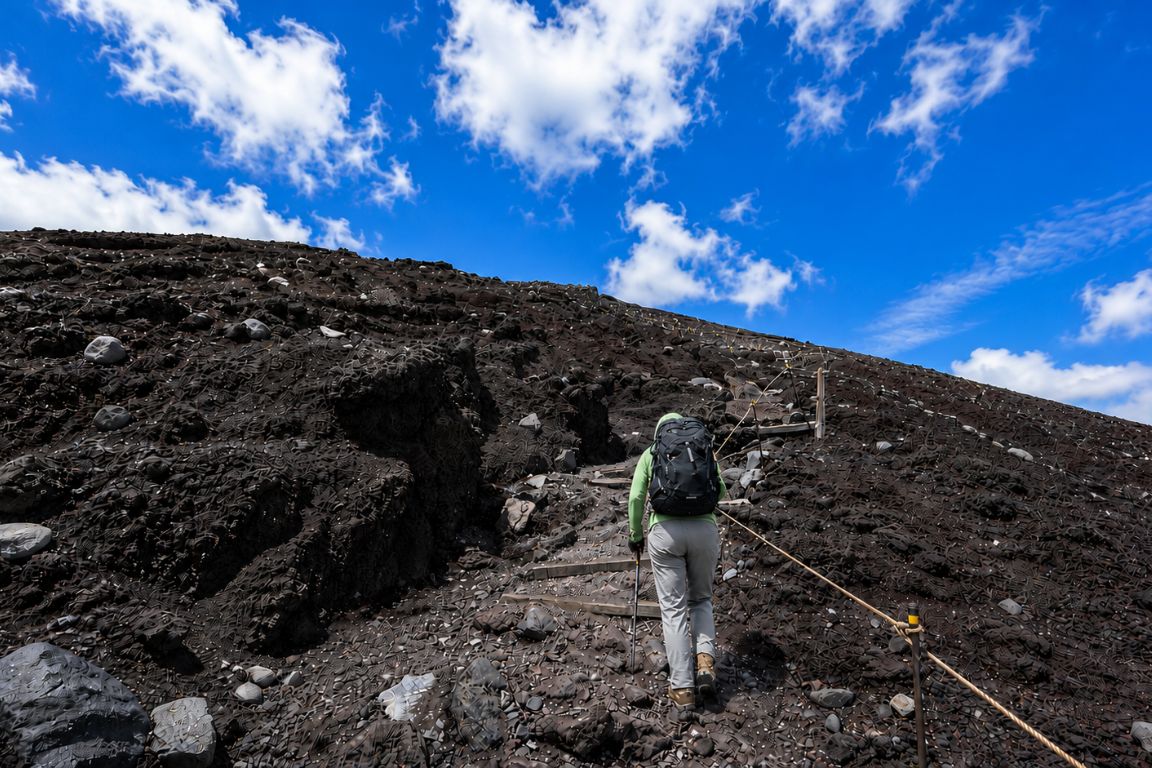 Mt. Fuji is rated moderate to challenging, not technical. No ropes, climbing skills, or specialist experience are required. The three real challenges are the duration (10 to 14 hours total over two days), the altitude (thin air above 3,000 meters reduces oxygen by about 30%), and the terrain (loose volcanic rock that is tough on ankles and knees, especially descending). Guided tours are designed for beginners and handle the factor that causes most turnarounds: pace. A good guide keeps the group moving slowly enough that the body can acclimatize, which is the single most effective thing you can do to reach the summit.
The altitude is the thing that surprises people most. Mt. Fuji at 3,776 meters is higher than many people in the world will ever stand. At the summit the oxygen level is roughly 30% lower than at sea level. Young, fit people are not immune. We have seen marathon runners develop altitude sickness at the 8th station and turn around. We have seen 60-year-olds with no particular athletic background reach the summit because they listened to their guide and went slowly. Physical fitness helps, but pacing discipline matters more.
Altitude sickness (acute mountain sickness, or AMS) affects an estimated 30% of climbers to some degree. Symptoms are headache, nausea, dizziness, and fatigue. Mild symptoms can be managed by slowing down, resting, and hydrating. The only reliable cure for serious altitude sickness is descending the mountain. Small canisters of supplemental oxygen are sold at the 5th Station and mountain huts for ¥1,000 to ¥1,500 – they provide temporary relief but are not a substitute for proper pacing. On guided tours, the guide monitors the group for symptoms and will direct anyone developing serious AMS to descend. This is not a defeat. It is correct mountain decision-making.
The descent is underestimated by almost everyone before they do it. Ascending for 5 to 7 hours hurts your lungs and cardiovascular system. Descending for 3 to 4 hours on steep volcanic gravel hurts your knees and thighs in a different way. The zigzag path on the lower slopes requires controlled, braking steps on loose ground for hours. Trekking poles are not optional on the descent – they reduce knee stress meaningfully and provide stability on the unstable surface. Most first-timers are significantly more tired on the way down than they expected to be based on the ascent.
Physical preparation matters. Two months of regular hiking or stair climbing before the ascent makes a noticeable difference. Walks of 3 to 6 hours with elevation gain are the most relevant preparation. People who arrive for their climb having done no specific preparation are not disqualified from reaching the summit, but they will find the final two hours significantly harder than those who prepared.
Want to experience one of Japan’s most iconic landmarks without the physical demands that come with most Fuji climbing tours? Here’s our Mount Fuji tours for seniors guide so you find the experiences that actually work.
What Are the Rules and Regulations for Climbing Mount Fuji in 2026?
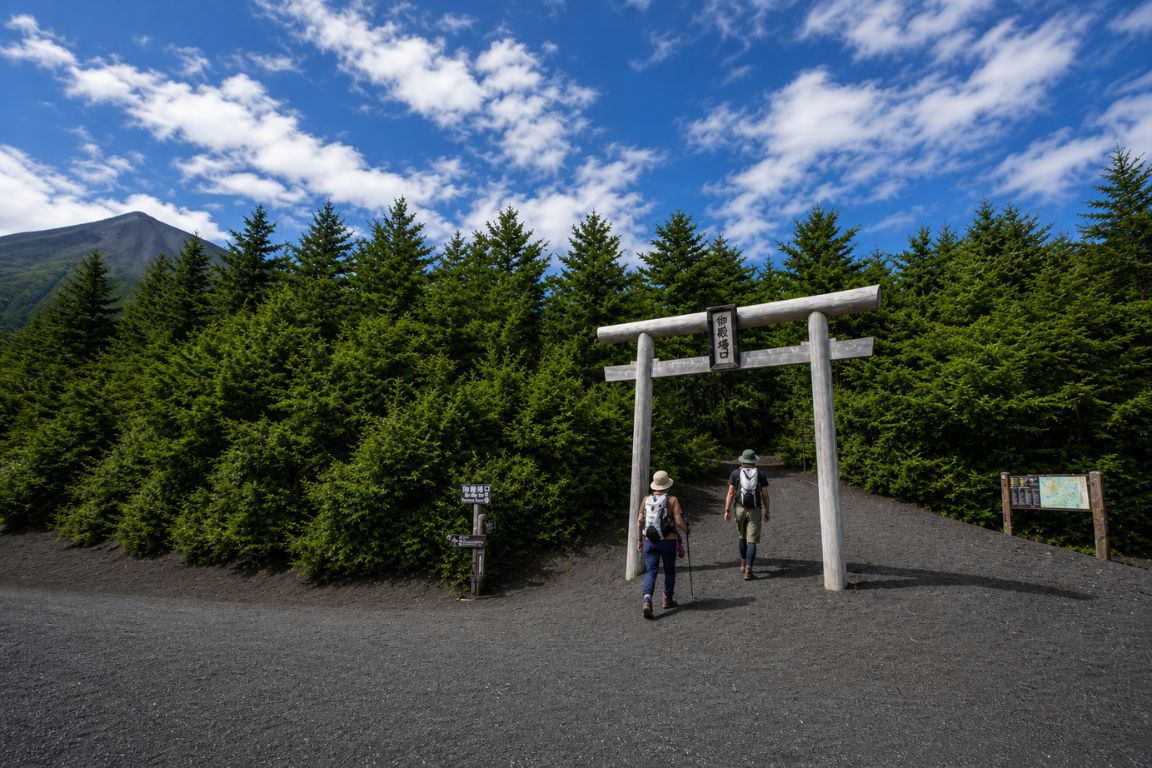 The 2026 rules represent a significant tightening from the pre-2024 era. All climbers must pay a mandatory ¥4,000 fee per person. The Yoshida Trail requires advance online reservation through fujisan-climb.jp; the Shizuoka trails (Fujinomiya, Subashiri, Gotemba) require pre-registration via the FUJI NAVI app. All trailhead gates close at 2:00 PM and reopen at 3:00 AM – passing through the closed gate requires a confirmed mountain hut reservation. At the Yoshida Trail trailhead, rangers check all climbers for three mandatory items and turn people back if they are missing. Bullet climbing (ascending without sleeping) is now effectively prohibited.
The three mandatory items checked at the Yoshida Trail trailhead gate in 2026 are:
1. Warm clothing – fleece or down jacket
2. Two-piece waterproof rain gear – jacket AND separate trousers (a single rain poncho does not satisfy this requirement)
3. Proper hiking boots – rangers turn away climbers wearing sneakers, sandals, or inappropriate footwear
Arriving without any of these three items means being turned away at the gate. This has happened to a meaningful number of visitors who researched the climb but didn’t understand the enforcement was literal. Guided tours handle this because they conduct their own gear checks before departure and do not bring clients to the mountain without proper equipment.
The gate closure is the other rule that catches independent climbers off guard. The gates close at 2:00 PM every day. The only way to enter after 2:00 PM is to have a confirmed mountain hut reservation and present it at the gate. This rule was introduced to end bullet climbing – the dangerous practice of ascending and descending in a single overnight sprint, which was causing increased accidents and altitude sickness incidents. On guided tours, this is managed for you: the tour books the hut reservation and handles the gate timing.
The Yoshida Trail’s daily cap of 4,000 climbers remains in 2026. In practice, this limit was never reached in 2024 or 2025. However, advance online reservation is still required and same-day walk-up slots are limited. On busy weekends, reservation slots for popular dates fill within minutes of opening. Guided tours handle reservation logistics as part of what you pay for.
For the Shizuoka trails (Fujinomiya, Subashiri, Gotemba), pre-registration via the FUJI NAVI app is required. The app includes a safety training module that takes 15 to 20 minutes. Complete this at least 24 hours before your planned ascent. Guided tours on these trails handle registration on behalf of participants, but confirm this with your specific tour operator.
Off-season climbing (outside July 1 to September 10) is not just discouraged but described as genuinely dangerous by Japanese authorities, mountain rescue services, and the official climbing website. Trails are closed, mountain huts are shuttered, first aid stations are unmanned, snow and ice cover the paths, and summit temperatures can hit -30°C with wind chill. There is no rescue infrastructure. Do not attempt it.
Wondering whether the Yoshida Trail is worth the extra distance over the more popular Subashiri or Fujinomiya routes? This Mount Fuji tours hiking trails guide covers the honest differences most hiking guides summarize too broadly.
What Is the Climbing Season and When Should You Go?
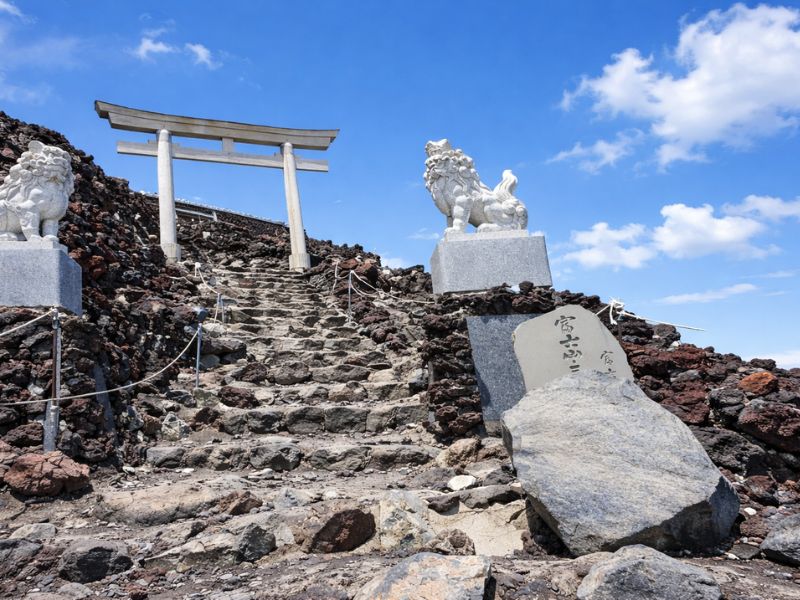
The official 2026 climbing season runs July 1 to September 10 on the Yoshida and Subashiri trails, and July 10 to September 10 on the Fujinomiya and Gotemba trails. The best time within the season is early July (weekdays before the school holiday rush) or early September (after Obon crowds leave, before the season closes). Peak season is mid-July through August, especially Obon week in mid-August, when trails are extremely crowded and mountain hut reservations are nearly impossible to secure without booking months in advance. Avoid weekends throughout the season when possible.
The climbing season is shorter than most visitors expect. From July 1 to September 10 is just 71 days. Within that window, demand is heavily concentrated around the school summer holidays that begin around July 20. The period from late July to late August is when over half of the annual 300,000+ climbers ascend, with Obon week in mid-August being the absolute peak. Hut reservations for peak dates open as early as April and fill within hours. Trails are congested enough during peak weekends that there are literal queues at some sections.
Early July, from July 1 to around July 15, offers the shortest lines, best hut availability, and cooler temperatures, but the weather can be less stable as the rainy season is ending. Snow may still linger on the upper slopes in very early July. The mountain feels wilder and less managed in this period.
Early September, from September 1 to September 10, is what we recommend most strongly for travelers with date flexibility. The weather has stabilized after the rainy season. Summer heat is fading. School holidays have ended. Crowds drop sharply. Mountain hut reservations are available at reasonable notice. The mountain huts are still fully operational. The weather statistics for September have some of the best summit visibility rates of the climbing season. This window closes hard on September 10.
We’ve put together a full seasonal breakdown in our best time to visit Mount Fuji tours guide so you know exactly when to go based on what you want to see and how much company you’re willing to have.
| July 1-15 | Low to moderate | Good | Variable; snow possible | Good for experienced; some weather risk |
| July 16 – Aug 20 | Peak; weekends very heavy | Book 2-3 months ahead | Hot at base; cold at summit | Avoid Obon (mid-Aug) and weekends |
| Aug 21 – Aug 31 | Easing | Better than peak | Stable; still warm | Decent; avoid weekends |
| Sept 1-10 | Low; best of season | Good availability | Excellent stability | Best window for most visitors |
How Much Does a Guided Mount Fuji Climbing Tour Cost?
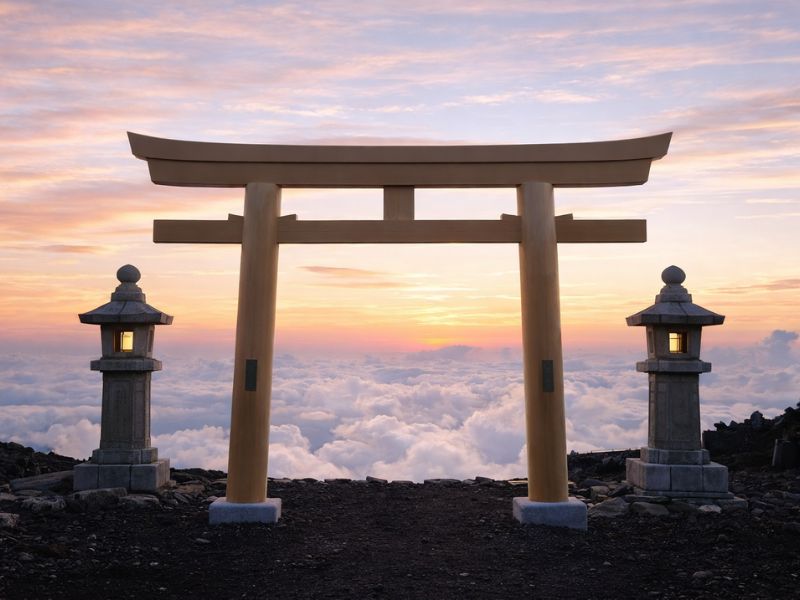
Budget group tours (8 to 15 participants, basic mountain hut, Japanese guide with English support): ¥20,000 to ¥28,000 per person plus the ¥4,000 climbing fee. Mid-range group tours (smaller groups of 6 to 10, English-speaking guide, 8th station hut): ¥28,000 to ¥38,000 per person plus fee. Private guided tours (1 to 4 participants, dedicated guide, flexible timing): ¥40,000 to ¥100,000 per person depending on group size and included services. Gear rental if needed adds ¥10,000 to ¥16,000. Total all-in cost for a mid-range guided tour including everything: ¥40,000 to ¥60,000 per person. All prices verified May 2026.
Breaking down what each price tier gets you:
Budget (¥20,000 to ¥28,000 per person, excl. ¥4,000 fee): Charter bus from Shinjuku, certified guide (usually a Japanese speaker with English support), mountain hut at the 7th station, dinner and breakfast, sometimes basic gear items included (helmet, some rain gear). Group sizes up to 15. Tour quality is consistent with basic safety needs; the guide-to-participant ratio is lower than mid-tier.
Mid-range (¥28,000 to ¥38,000 per person, excl. ¥4,000 fee): Same transport and hut structure but with English-speaking certified guide, hut accommodation at the 8th station (better acclimatization position, shorter summit push on Day 2), and often a post-climb onsen included. Smaller group sizes. Willer Travel’s long-running tour falls in this category and has over 20,000 climbers of experience. For most international first-time climbers, this is the right tier.
Premium private (¥40,000 to ¥100,000 per person): Dedicated guide or guide-per-two-people ratio, private vehicle from hotel, premium mountain hut accommodation (sometimes private rooms), post-climb onsen, often gear rental and travel insurance included. Best for travelers who want the minimum-stress, maximum-support experience, or for groups with specific physical or dietary needs.
The ¥4,000 climbing fee is on top of all tour costs. It is paid at the trailhead gate in cash, or increasingly in advance online through fujisan-climb.jp. On tours that include the fee in their quoted price, confirm this specifically before booking – some list it separately. Cash-only payment at the gate remains the most common method, and coins are preferred for the pay toilets at ¥200 to ¥300 per use. Budget ¥5,000 to ¥10,000 in cash for on-mountain expenses: the climbing fee if not pre-paid, toilet fees throughout the two days (total approximately ¥1,200 to ¥1,500), food and water purchased at mountain huts, and any souvenir stick brandingmarks (¥200 per station stamp, a popular tradition).
Not sure whether booking a guided tour or going independently gets you more out of a Mount Fuji visit? Here’s our Mount Fuji tour vs DIY guide so you decide before you commit to either.
What Do You Need to Bring for a Mount Fuji Climbing Tour?
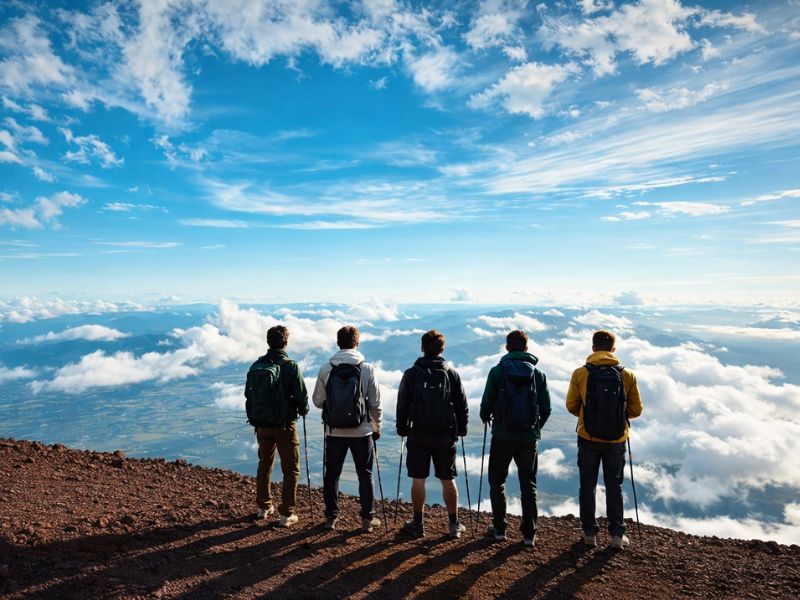
The items that rangers will turn you away for not having: proper hiking boots (not sneakers), two-piece waterproof rain gear (separate jacket and trousers), and warm clothing (fleece or down layer). Beyond the mandatory items: a 25 to 35L backpack, headlamp with spare batteries (200+ lumens, essential for the pre-dawn summit push), trekking poles (crucial for the descent), 1 to 2 liters of water, high-energy snacks, sunscreen and sunglasses, gloves, and ¥5,000 to ¥10,000 in cash for on-mountain expenses. Gear rental is available from tour operators and near the 5th Station if you don’t own appropriate equipment.
The single most consequential gear decision is footwear. The Yoshida Trail on the lower sections is rocky volcanic path, the upper sections are steep loose gravel, and the descent is hours of braking steps on unstable ground. Hiking boots with waterproofing, ankle support, and aggressive tread are not optional. The rangers check for this specifically because people attempting the climb in sneakers or sandals regularly come to grief. Boots should be broken in before the climb – at least 20 to 30 km of walking in them to avoid blisters on the mountain. If you do not own suitable boots, rent them. Tour operators and gear rental shops in Kawaguchiko and Shinjuku offer full rental sets.
The rain gear requirement is specific: jacket AND separate waterproof trousers. A single poncho or rain jacket alone is not sufficient and will not pass the gear check. Mt. Fuji creates its own weather and can go from clear to sideways rain and sleet in under 20 minutes, including in August. At the summit at 3,776 meters, temperatures hit 0 to 5°C even in August, and wind chill can push the effective temperature to -10°C. Gore-Tex or equivalent waterproof-breathable fabric is the best choice; cheaper waterproof gear will wet through on a hard rain.
The headlamp is mandatory for the pre-dawn summit push. The ascent from the mountain hut begins between 1:00 and 2:00 AM to reach the summit at sunrise. Minimum 200 lumens output, minimum 8 hours battery life. Pack spare batteries in a waterproof bag because cold temperatures drain batteries faster than room temperature tests suggest.
| Hiking boots (waterproof, ankle support) | Yes | Rent if needed: ¥3,000 to ¥5,000 | Break in 20+ km before climb; no sneakers |
| Two-piece waterproof rain gear | Yes | Rent: ¥2,000 to ¥3,000 set | Jacket + separate trousers; poncho insufficient |
| Warm layer (fleece or down jacket) | Yes | Bring or rent fleece | Summit 0 to 5°C in August; essential |
| Headlamp (200+ lumens, 8h+ battery) | No (but essential) | Rent: ¥500 to ¥1,000 | Spare batteries in waterproof bag |
| Trekking poles | No | Rent: ¥500 to ¥1,000/pair | Essential on descent; reduce knee strain 25-30% |
| Backpack (25 to 35L, with rain cover) | No | Rent set: ¥10,000 to ¥16,000 full kit | Hip belt helps on long carry |
| Water (1 to 2L to start) | No | Buy on mountain: ¥500/500ml | Stay hydrated to reduce altitude sickness risk |
| Cash (coins) | No | Bring from Tokyo | ¥200-300 per toilet use; no ATMs on mountain |
| Sunscreen (SPF 30+) and sunglasses | No | Bring | UV stronger at altitude; sun exposure significant |
| Gloves (wind-resistant) | No | Bring or buy at 5th Station | Essential for summit; hands get cold fast |
| Portable oxygen canister | No | Buy at 5th Station or huts: ¥1,000 to ¥1,500 | Temporary AMS relief; not a substitute for descent if severe |
Do not bring: cotton clothing (holds moisture and causes hypothermia when wet and cold), jeans (heavy, no insulation when wet), regular sports shoes or running shoes, an umbrella instead of rain gear.
Wondering whether waterproof gear is genuinely necessary and what footwear actually handles Fuji’s volcanic terrain without destroying your feet? This what to wear for Mount Fuji tours guide covers the clothing details most packing lists oversimplify.
Ochudo Pilgrim Path Walk: Scheduled Dates
Walk a 2.5 km section of the Ochudo pilgrim path with an English-speaking mountain guide and local pickup.
Check Dates For Ochudo Pilgrim Path WalkHow Do You Book a Mount Fuji Climbing Tour and What Should You Look For?
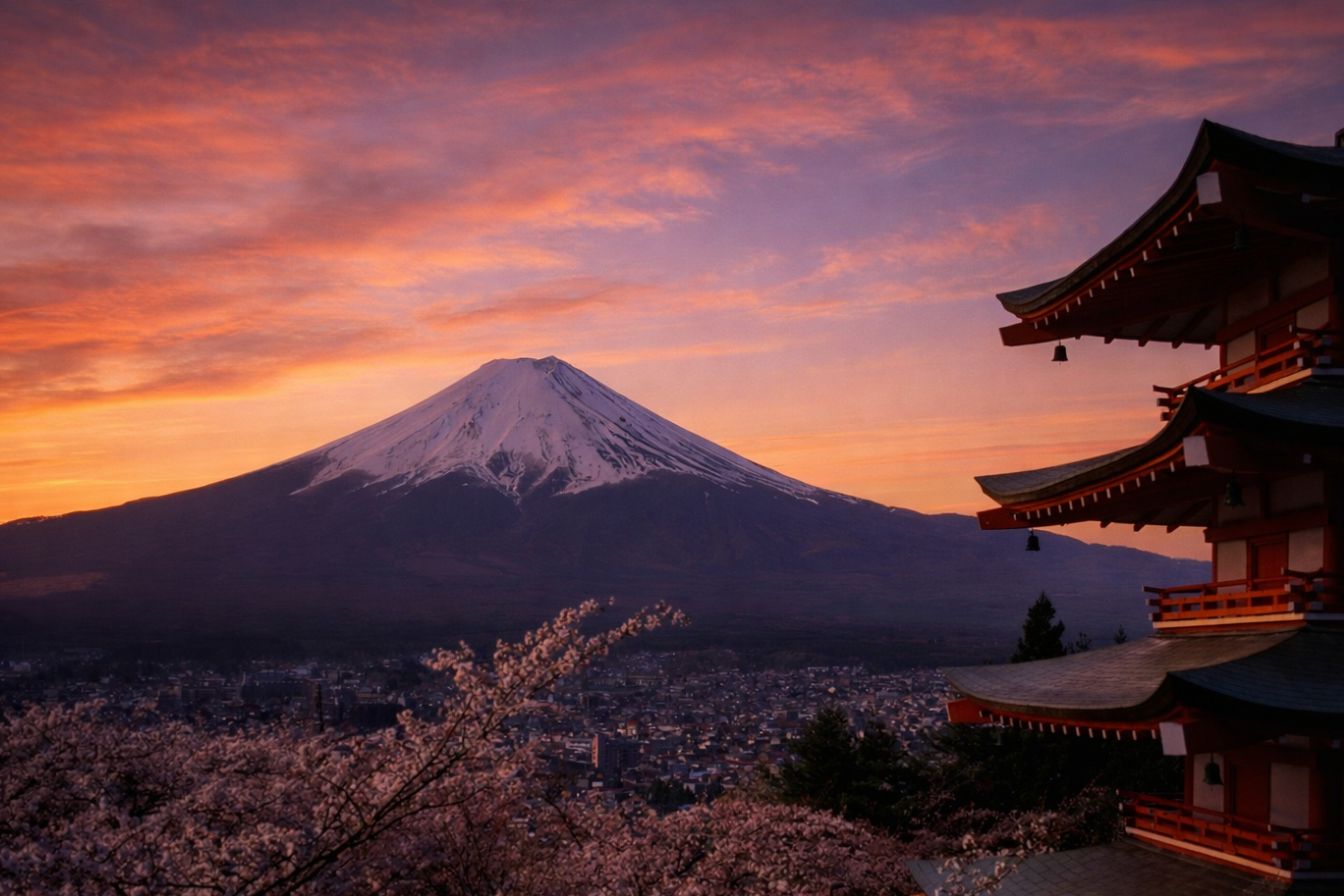 Book a climbing tour at least two to three months before your intended climb date, and earlier for July and August dates – some tour operators open 2026 season bookings in late 2025 and peak-date slots fill fast. The key things to verify before booking: the guide is certified and speaks English; mountain hut accommodation is confirmed and at the 8th station or above for best acclimatization; the ¥4,000 climbing fee is either included or clearly explained as separate; gear rental is available as an add-on; and the tour has a typhoon cancellation policy with clear refund terms. Reputable operators include Willer Travel, Fuji Mountain Guides, JIN’s Tours, and Tokyo Gaijins – all with long track records and verified English-language support.
The most important booking detail people overlook is the mountain hut station level. Tours that accommodate at the 7th station (around 2,700 to 3,000 meters) leave a longer summit push on Day 2 and slightly less acclimatization time. Tours that place you at the 8th station (around 3,100 to 3,400 meters) mean a shorter, more manageable summit push and are generally worth the slightly higher cost. Confirm the hut’s elevation, not just its station number, as the 8th station spans a range of huts at different heights.
The guide-to-participant ratio matters. A good guided group tour on Mt. Fuji runs at most 12 to 15 participants per guide. Larger groups of 20 to 30 where a single guide is expected to manage everyone are harder to pace correctly and harder to monitor for altitude sickness across the group. Ask the operator specifically: how many participants per guide?
Travel insurance specifically covering mountain rescue in Japan is strongly recommended and required by some tour operators. Japanese mountain rescue is professional and well-organized, but medical evacuation costs can be significant without insurance. World Nomads and similar adventure travel insurers cover this; standard travel policies sometimes do not. Confirm coverage before you depart Tokyo.
Booking platforms: tour operators’ own websites offer the best direct information and often the best availability. Willer Travel, Fuji Mountain Guides, and JIN’s Tours all operate English-language booking systems. Klook and Viator list several options and allow review comparisons. For a climbing trip, review the two-day guided climb for dates, hut arrangements, and gear rental before you commit.
First time planning a trip around seeing Mount Fuji and worried about missing it entirely? Here’s our best time to see Mount Fuji tours guide so you give yourself the best possible chance of a clear sighting.
What Our Climbing Clients Experience: Data from Mt. Fuji Tours
| Overall summit success rate on our guided tours | 85% |
| Clients who experienced altitude sickness symptoms | 65% mild / 15% required descent |
| Most common reason for turning back | Altitude sickness (75%) / Exhaustion (25%) |
| Clients who said they were adequately physically prepared | 58% |
| Clients who said pacing guidance was the most valuable thing the guide provided | 94% |
| Best single month for summit success rate | August at 88% |
| Clients who saw a clear sunrise (Goraiko) from the summit | 45% |
The advice we give every climbing client before they commit: treat the preparation as part of the experience. The weeks of stair climbing and weekend hikes before your ascent build a relationship with the physical challenge. People who arrive having prepared make it to the top more often, enjoy the experience more, and carry the memory differently than people who attempted it cold. The summit is earned, and the preparation is where the earning begins.
Questions about which tour format, trail, and timing works best for your group? Start with the two-day guided climb if you want hut, transport, and pacing handled. A two-day guided climb is the option that fits most first-time climbers' fitness level and schedule.
Frequently Asked Questions
Do you need a guide to climb Mount Fuji?
No. Thousands of climbers ascend independently each season. The trails are well-marked, mountain huts are staffed, and information is available in English at the trailheads. However, a certified guide who enforces correct pacing dramatically improves your summit success rate and safety, especially for first-time climbers unfamiliar with altitude effects. If you are confident with mountain hiking, have read the current regulations carefully, and can secure your own hut reservations, going independently is a valid choice.
How fit do you need to be to climb Mount Fuji?
Reasonably fit, not athletically exceptional. You should be able to hike for 6 or more hours without stopping, manage steep inclines, and walk comfortably for a full day. The altitude affects fitness levels unpredictably – very fit people sometimes develop altitude sickness and cannot summit, while less fit people who pace themselves carefully often make it. Specific preparation (stair climbing, long hikes with elevation gain) for two months before the climb makes a meaningful difference. People with serious heart conditions are advised against attempting the climb.
What is the summit success rate on a guided tour?
General success rate across all climbers is 70 to 80%. Well-paced guided tours consistently report success rates above 90% because pace control is the primary factor in summit success and preventing altitude sickness. The main reasons for turning back are altitude sickness, exhaustion, and severe weather.
Can you climb Mount Fuji in one day?
Technically yes, but not recommended. The 2:00 PM gate closure means you must start between 3:00 AM and 2:00 PM. A full ascent and descent in daytime takes 10 to 14 hours and offers little time for acclimatization, significantly increasing altitude sickness risk. The two-day one-night format with an overnight hut stay is what virtually all tour operators offer and is the strongly recommended approach for first-time climbers.
What happens if there is a typhoon on my tour date?
Most reputable tour operators cancel for confirmed typhoons or severe weather and provide either a full refund or the option to reschedule. Rain alone does not cancel tours – the mountain climbs in rain regularly. Confirm your operator’s specific cancellation policy before booking. Travel insurance with adventure activities coverage is recommended for anyone who has booked non-refundable transport or accommodation around a climbing tour date.
Is the summit sunrise (Goraiko) guaranteed on a guided tour?
No. The summit sunrise is a weather event. Only about 30 to 40% of climbers see a completely clear sunrise. Cloud cover frequently obscures the horizon even when the sky above the summit is clear. A guided tour positions you for the best possible chance – correctly timed ascent, appropriate hut station, guide who knows the weather patterns – but cannot guarantee a cloudless sky. The experience of reaching the summit at dawn, whether the sunrise is spectacular or partially obscured, remains one of the most meaningful things many of our clients have done. Plan the experience around the journey, not just the view.
Ready to climb? The two-day guided climb runs throughout the official season with a certified English-speaking guide and careful pace management. We have helped 11,500+ travelers experience this mountain safely since 2012. Check current season availability on the two-day guided climb before you commit.
Written by Akira Nakamura
Japanese tour guide since 2012 · Founder, Mt. Fuji Tours
Akira has guided over 11,500 travelers up Mt. Fuji and through the Fuji Five Lakes region since founding the agency.