Best Mt. Fuji Tours. Book Now and Discover Japan’s Iconic Volcano
Stunning Mt. Fuji Landscapes with Expert Guides
Book the best Mount Fuji tours from Tokyo or Kawaguchiko. Climb the sacred peak on guided sunrise hikes, explore Five Lakes, Chureito Pagoda, lava caves and hot springs with small-group or private day trips. Seasonal climbing, photography and cultural experiences available. Secure your unforgettable Mount Fuji adventure today!
Our best-selling Mt. Fuji tours chase perfect views of Japan’s iconic peak from Lake Kawaguchi, Chureito Pagoda, and 5th Station trails, with stops at Oshino Hakkai ponds and seasonal flower fields.
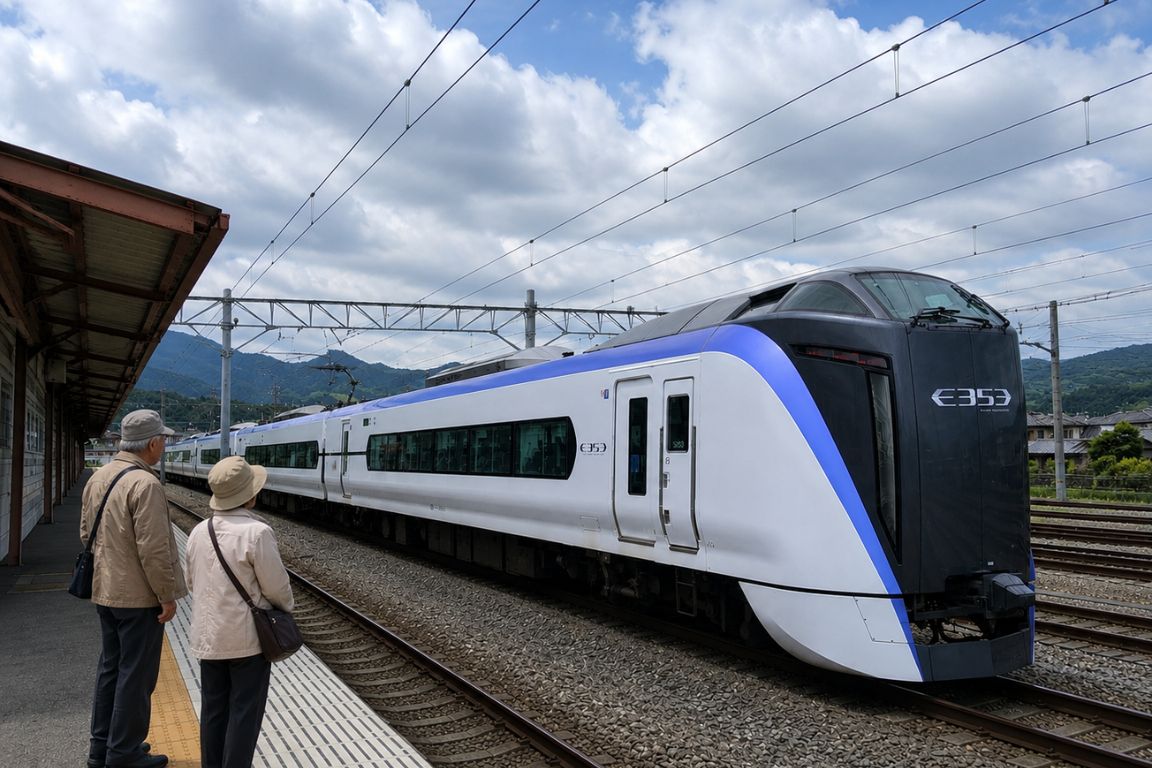
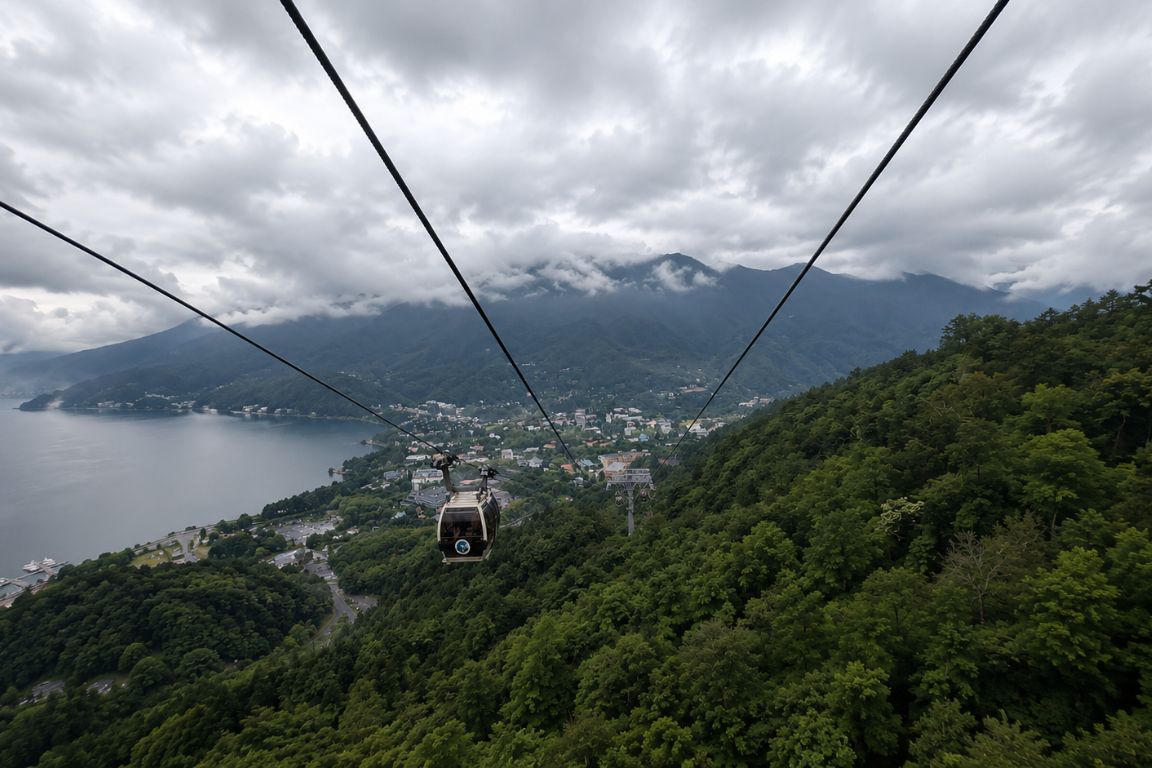
Escape Tokyo for a full day of Japan’s natural wonders: Mt. Fuji’s 5th Station views, fresh local buffet lunch at the base, Hakone’s ropeway gondola ride over volcanic valleys, and a breezy Lake Ashi cruise. English-speaking guide, multilingual audio, bullet train return. Relaxed pace, stunning scenery – perfect one-day highlight.
Escape Tokyo for a full day chasing the best Mt. Fuji views across Yamanakako and Kawaguchiko. Catch morning reflections at quiet Hirano Beach with resident swans, snap the endless-road illusion at Higashikawa Clock Shop, climb to the iconic red pagoda at Arakurayama Sengen Park, wander crystal-clear Oshino Hakkai springs, pose at the famous Lawson store, and soak in seasonal flowers at Oishi Park. Small group, flexible pace – pure Fuji magic without the crowds.
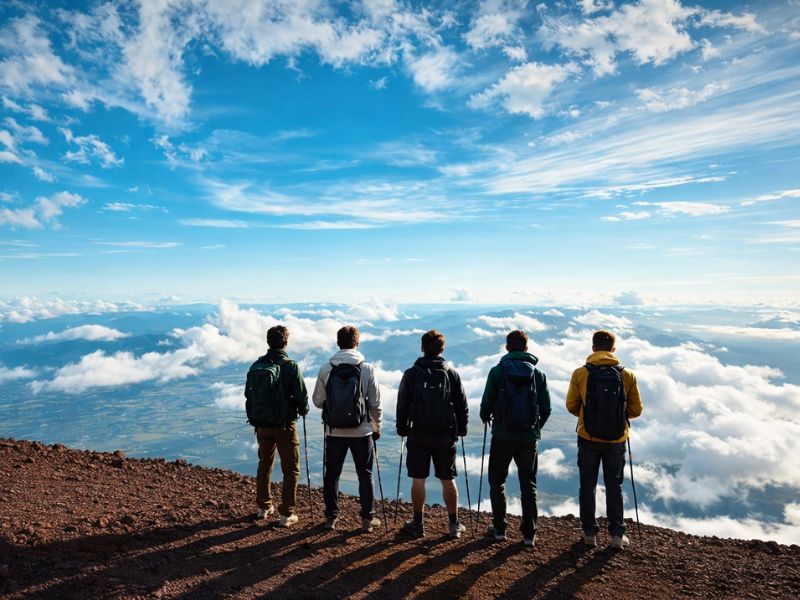
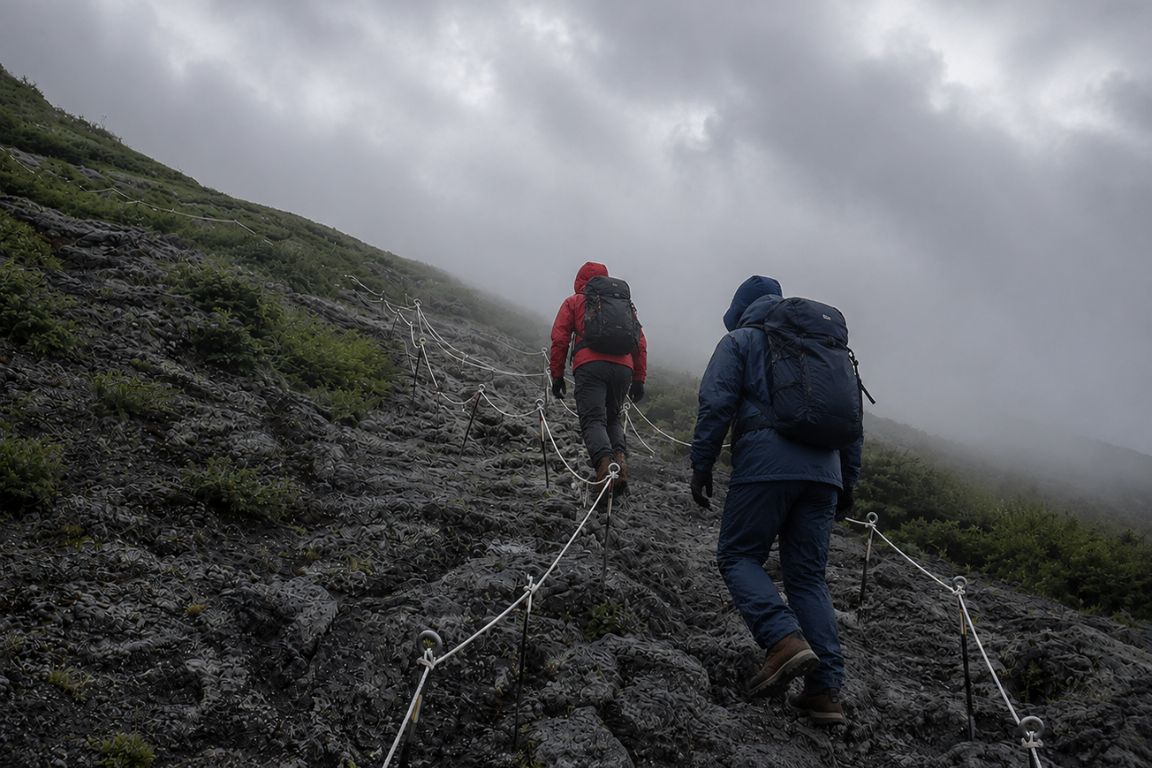
Conquer Japan’s iconic Mt. Fuji on this 2-day adventure with local Japanese guides. Start from Tokyo, reach the 5th Station, hike up the Yoshida route (5–6 hours day 1, 1.5–3 hours night 2 for sunrise), rest in a mountain hut with dinner. Descend after summit views, stop for bath and lunch. Max 49 people, equipment rental available – challenging but unforgettable.
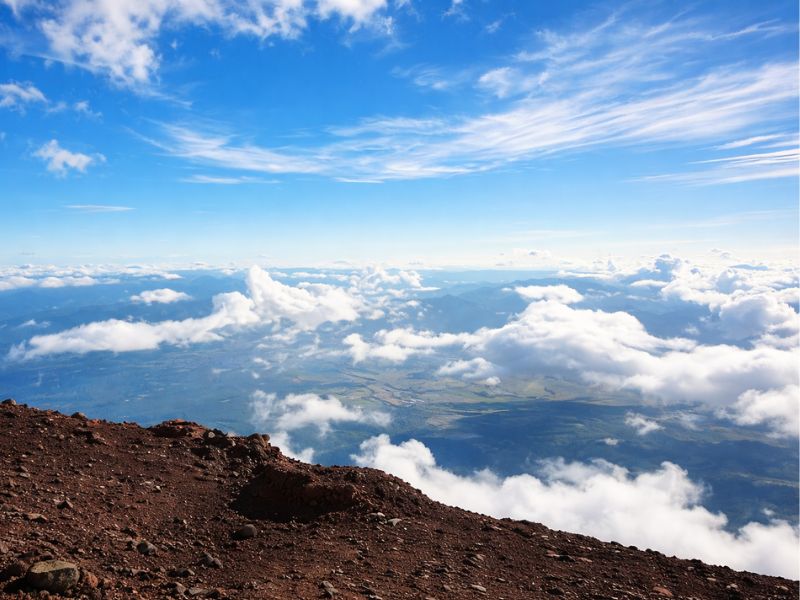
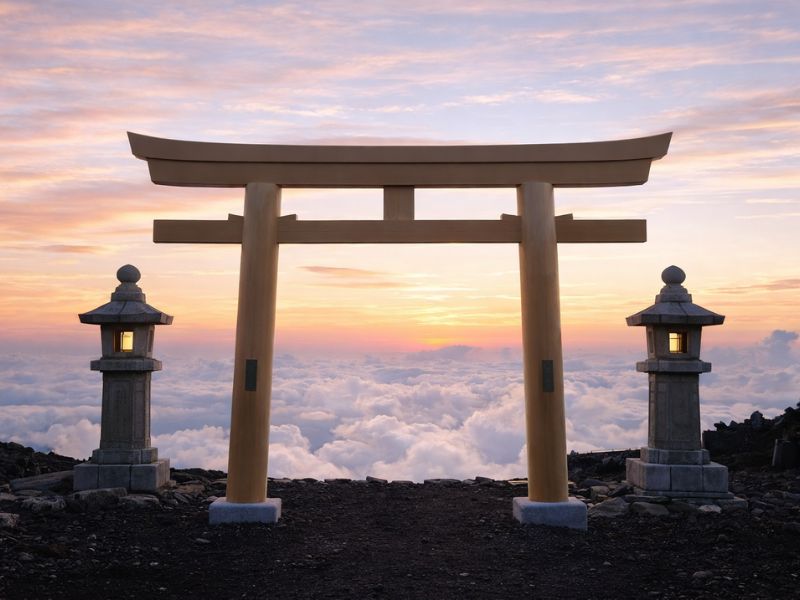
Our Mt. Fuji climbing tours run seasonal June-September with guided overnight summits from the 5th Station, catching sunrise from Japan’s 3,776-meter peak over the cloud sea.
Japan’s tallest peak feels within reach on this guided day hike starting from the Fifth Station on the gentle Yoshida Trail. You’ll trek up to the Seventh Station for panoramic views that stretch forever, with the option to push to the summit if your fitness allows. A knowledgeable guide keeps the pace comfortable and shares stories about Fuji’s sacred history. Rewarding, achievable and the kind of day that leaves you with epic photos and a real sense of accomplishment.
Conquer Japan’s iconic Mt. Fuji on this 2-day adventure with local Japanese guides. Start from Tokyo, reach the 5th Station, hike up the Yoshida route (5–6 hours day 1, 1.5–3 hours night 2 for sunrise), rest in a mountain hut with dinner. Descend after summit views, stop for bath and lunch. Max 49 people, equipment rental available – challenging but unforgettable.
Mt. Fuji in snow is raw and beautiful – no crowds, just crisp air and white slopes. This demanding one-day climb from Shin-Fuji Station starts early at the 5th Station, pushing to the summit for sunrise views most never see. English/Japanese guide, summit certificate, optional hot spring stop. Physically tough – good fitness required, not for kids or over 65.
Our full-day Mt. Fuji tours leave Tokyo early for clear morning views at Lake Kawaguchi, Arakura Sengen Shrine’s Chureito Pagoda, 5th Station trails, and Oshino Hakkai crystal ponds.
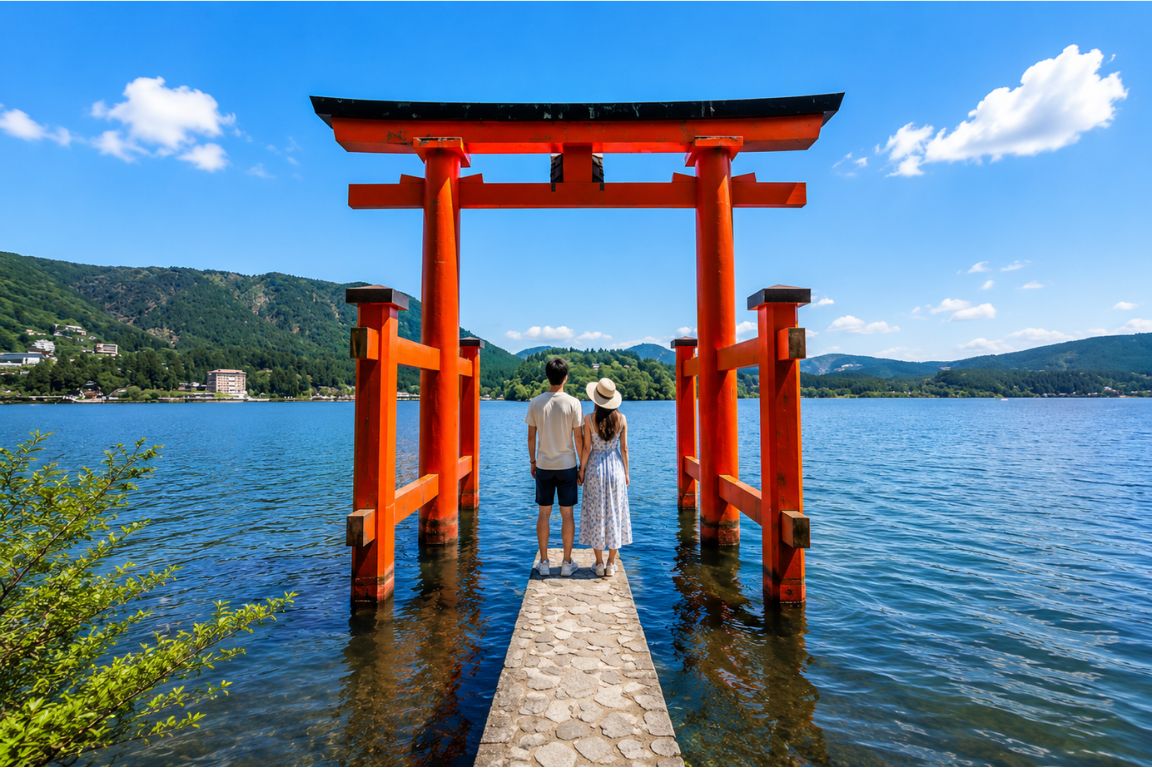
Leave Tokyo behind for a full day of Japan’s iconic sights: climb to Mt. Fuji’s 5th Station for those breathtaking close-up views, cruise serene Lake Ashi past the red torii gate, then ride the Komagatake Ropeway for sweeping Hakone panoramas. A fun taiko drum show adds cultural flair. Comfortable coach, expert guide, and the thrill of a bullet train ride back to Tokyo make it effortless.
No Japan trip feels complete without Mt. Fuji, and this relaxed day brings you close with seasonal magic. Summer to autumn: reach the 5th Station (2,300m) for cloud-level views, shrine steps and Fuji-themed snacks. Winter to spring: Arakura Sengen Park’s red pagoda framing snow-capped Fuji with cherry blossoms. All year: crystal-clear Oshino Hakkai ponds reflecting the mountain like mirrors. End soaking in an open-air onsen gazing at Fuji, or shop Gotemba Outlets instead (tattoos may restrict baths). Comfortable bus, friendly guide – pure rejuvenating Japan in one day.
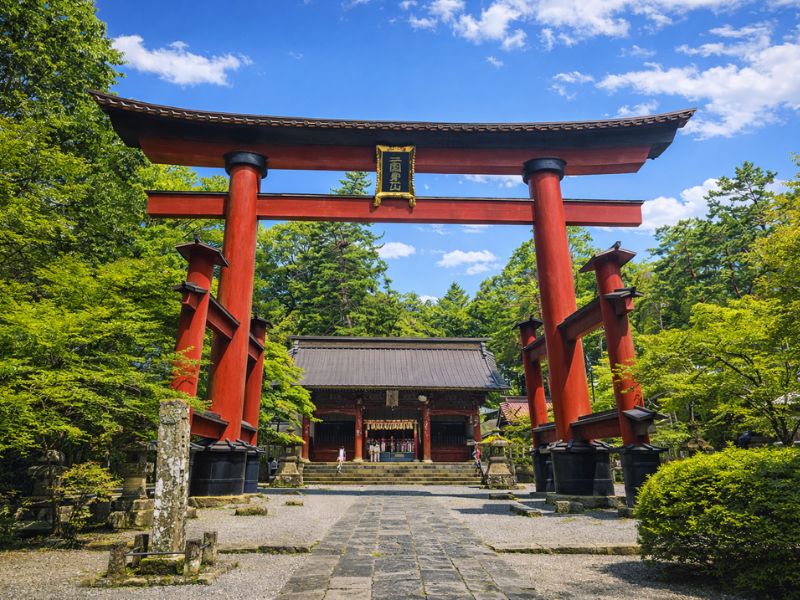
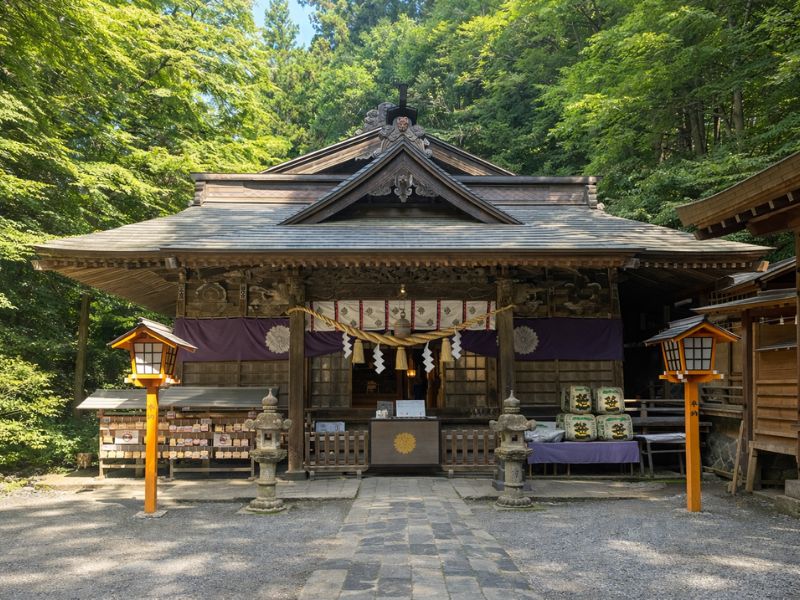
Mt. Fuji is Japan’s spiritual heart, and this Mt. Fuji Tours experience uncovers its art, faith, and flavors. Visit the modern World Heritage Center for an interactive look at the mountain’s history. Try your hand at traditional ukiyo-e printmaking, inspired by famous Fuji artworks. Step into Sengen Taisha shrine, the center of Mt. Fuji worship, for a moment of sacred calm. Taste local gourmet dishes and regional sakes brewed with pure Fuji spring water. Free hand towel and tea included (limited stock). Perfect day blending culture, creativity, and the mountain’s magic.
Our Mt. Fuji private tours give you your own AC van, expert guide, and full flexibility to hit prime spots like Lake Kawaguchi reflections, Chureito Pagoda stairs, 5th Station trails, or hidden Oshino Hakkai ponds on your timetable.
Mt. Fuji’s perfect cone feels magical up close, and this private customizable day from Tokyo lets you explore it your way without group rush. Choose your vehicle, then hit highlights like the 5th Station (weather permitting), serene Lake Kawaguchi, or dramatic Hakone with its ropeway and lakeside shrines. Hotel pickup keeps it easy, flexible itinerary means you linger where you love – perfect for photos, nature or culture. The hassle-free way to feel Fuji’s magic at your pace.
This full-day tour from Tokyo showcases Mt. Fuji’s majesty and Hakone’s beauty. Reach the Subaru 5th Station for panoramic crater and lake views, visit Chureito Pagoda for iconic Fuji shots, explore Kitaguchi Hongu Fuji Sengen Shrine’s ancient cedars, and stroll Oshino Hakkai’s serene ponds. Cruise Lake Ashi, ride the Hakone Ropeway for volcanic vistas, and enjoy Hakone’s hot springs and landscapes. A perfect blend of nature, culture, and iconic sights.
Mt. Fuji’s beauty and culture feel intimate on this all-inclusive private tour – guide, driver, lunch and fees covered, no surprises. Your local expert takes you to iconic spots and hidden gems large groups can’t reach: sacred waterfalls, a 100-year-old wasabi farm, panoramic views framed by a five-story pagoda. Learn why Fuji’s spring waters have been revered for centuries. Vegan/gluten-free lunch, sake/matcha/wine tasting, weather-adjusted route – relaxed, immersive day blending nature, history and tradition for families or friends. Stress-free escape from the city bustle.
Our unique Mt. Fuji tours skip the standard viewpoints for offbeat gems: secret forest trails to hidden lava caves, dawn kayaking on Lake Sai with Fuji mirrored in still water, winter snowshoe treks around Aokigahara’s silent woods, or private tea ceremonies overlooking the peak at quiet ryokans.
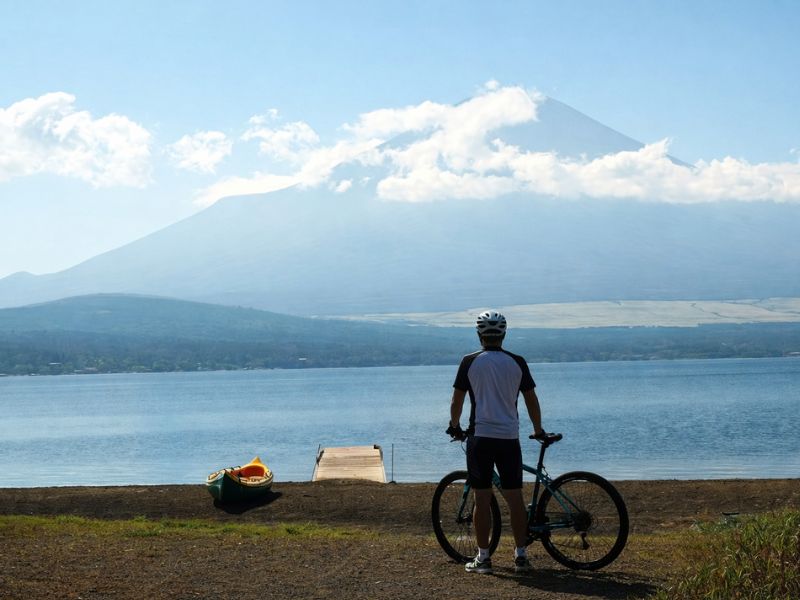
Japan’s iconic Mt. Fuji looms over this once-in-a-lifetime ride around its five lakes on the Tokyo 2020 Olympic course. Premium bikes, support vehicles, pro photos and local cuisine keep everything seamless while you discover hidden gems like Motosuko and Shojiko away from crowds. Perfect active day blending epic scenery, culture and thrill for friends or cycling fans.
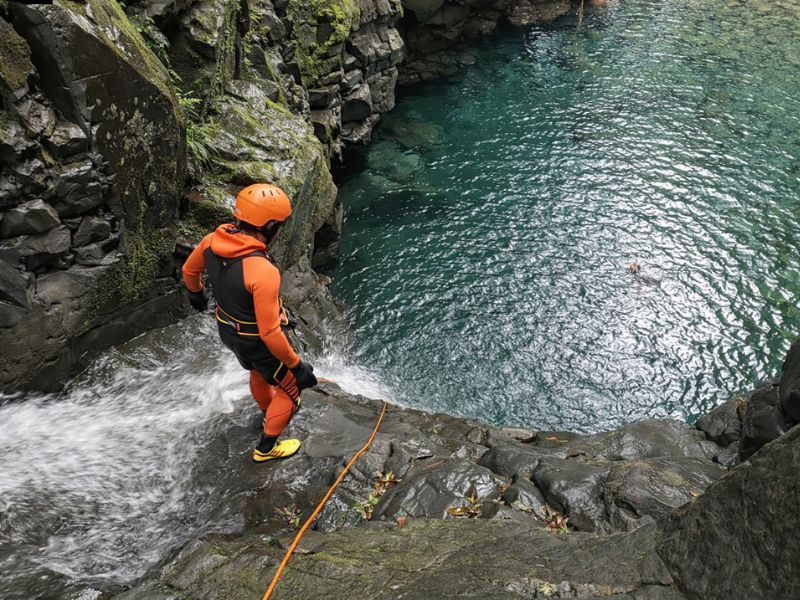
An adventure-loving couple – Yuki and Misa – founded Fujiyama Canyoning Japan in 2024 at Mt. Fuji’s foot to share Japan’s stunning nature safely. Yuki, ex-competitive swimmer and rock climber, guides with calm confidence; Misa brings warmth and fun energy. Small groups mean personal attention as you slide down waterfalls, jump into crystal pools and rappel canyons surrounded by Fuji’s dramatic backdrop. Thrilling yet safe – the perfect way to feel the mountain’s wild side. Original T-shirts available on-site.
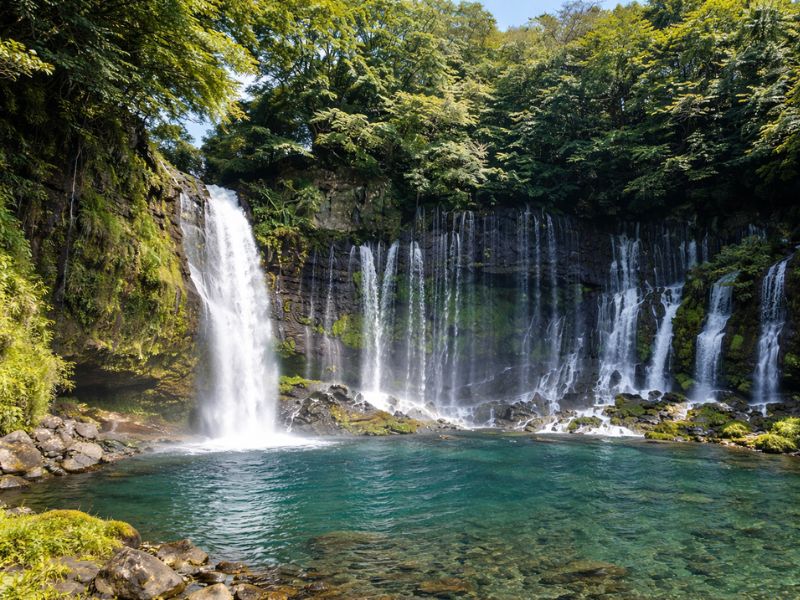
Mt. Fuji Tours don’t always mean crowds – this relaxing 6-hour private escape explores the serene western foothills. Visit two stunning waterfalls: grand Shiraito and a peaceful hidden one. Then savor fresh spring-fed trout at a local farm for authentic flavors. Your driver meets you at Shin-Fuji Station; guide joins at the falls. Tranquil nature and local cuisine away from the bustle.
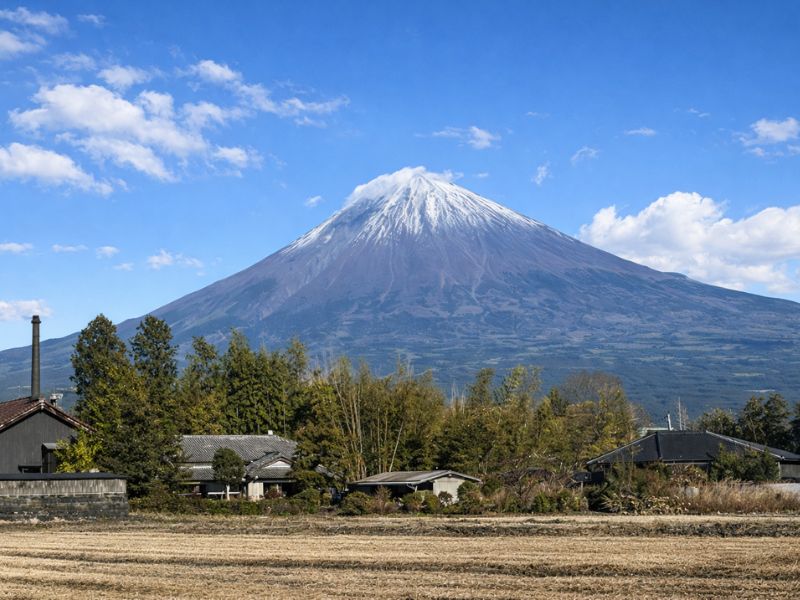
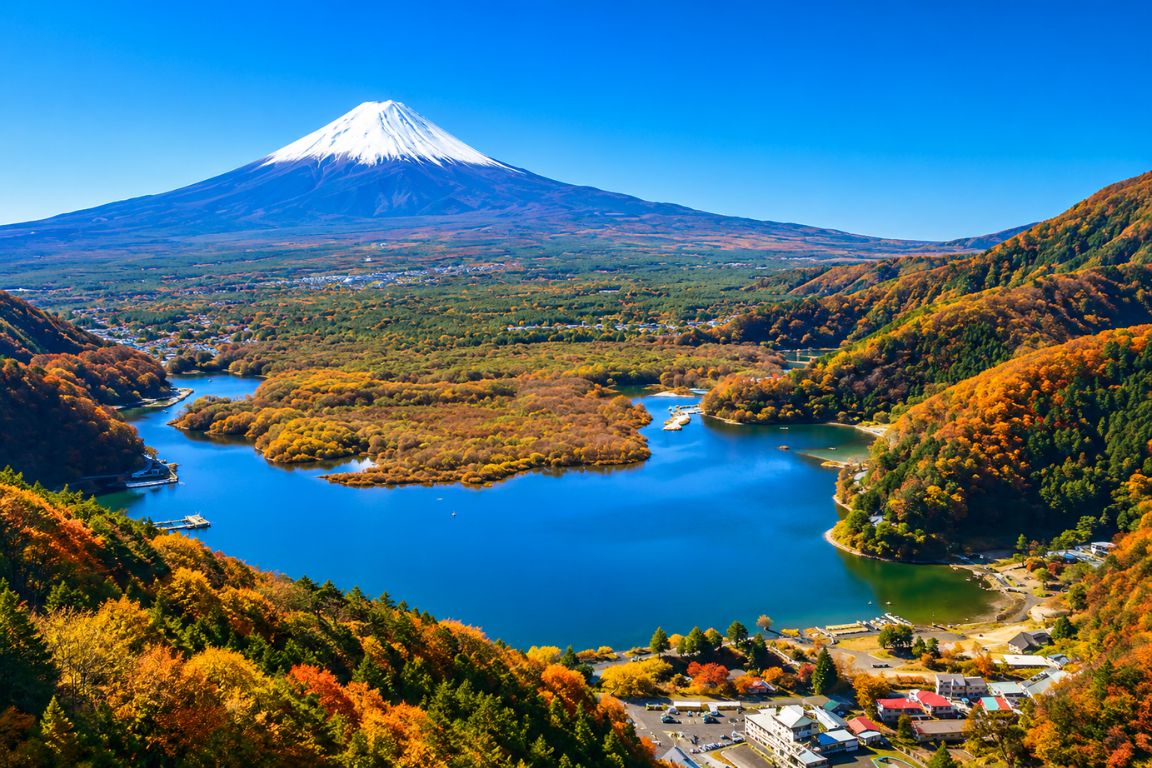
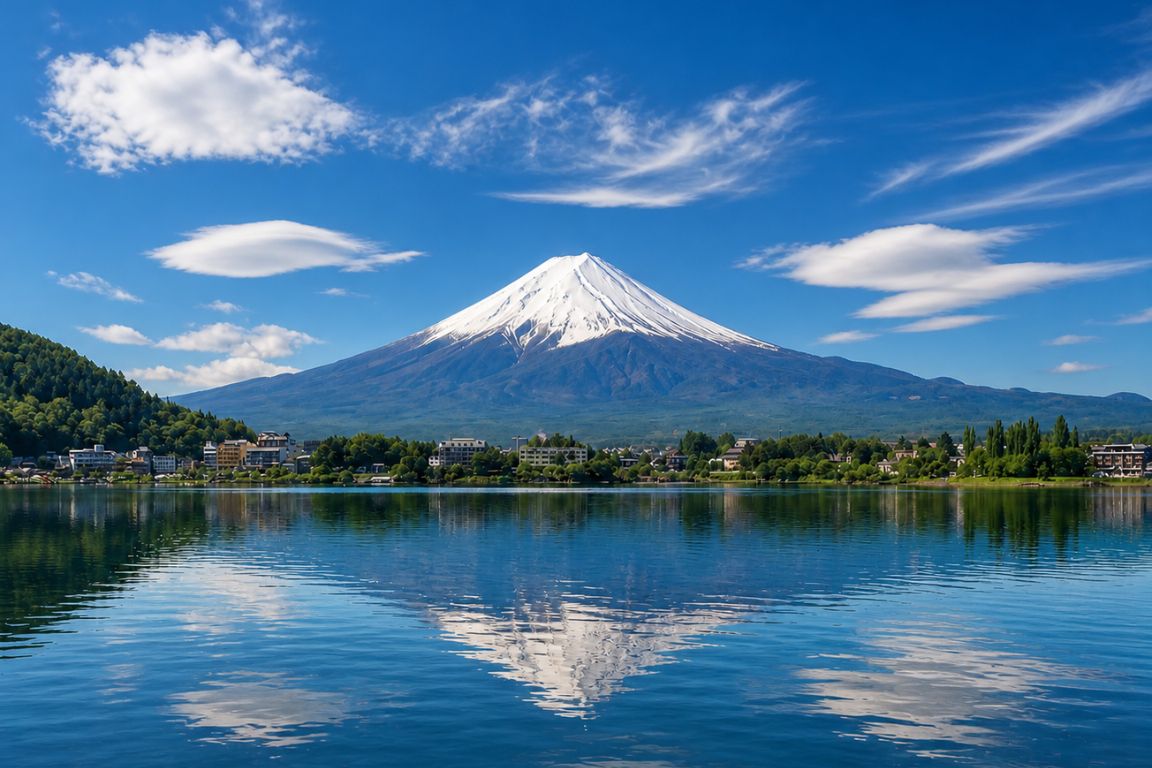
Rising alone above lakes and forests, Mount Fuji stands perfectly symmetrical at 3,776 meters—the mountain every Japanese painting tries to capture and every visitor wants to see in real life. On clear days it reflects in mirror-like Lake Kawaguchi, cherry blossoms frame it in spring, red maples burn around it in autumn, and fresh snow caps it through winter. Climb before dawn for sunrise from the summit, cruise across the lakes on a pirate ship with the peak filling the skyline, soak in an onsen while staring straight at it, or wander ancient pilgrimage trails lined with mossy shrines. With Mt Fuji Tours, you'll chase the best views from hidden spots, ride the ropeway over sulfur vents at Hakone, taste fresh wasabi grown in mountain springs, and finally understand why this volcano has been Japan's soul for centuries.
Our expert team has been helping navigate and book Mt. Fuji tours and activities for tourists from all over the world for over a decade, ensuring you have a hassle-free trip with everything booked in advance.
With deep knowledge of the Mt. Fuji region and Japan’s natural and cultural heritage, partnerships with the best local operators, and a passion for creating unforgettable experiences, we're committed to making your Mt. Fuji adventure truly extraordinary. From your first inquiry to your last tour, we're here to support you every step of the way.
Award-Winning Mt. Fuji & Nature Experience
Mt. Fuji Tours is recognized by leading travel platforms worldwide
Japan Heritage Excellence Award2024
Fuji Five Lakes Explorer Choice Award2024
Best Mt. Fuji Tour Operator2024
Yamanashi Region Sustainable Tourism Award2024
Fuji Cultural Heritage Verified Excellence2023
Mt. Fuji travel questions
How do I get to Mt. Fuji from Tokyo on my own?
The easiest and most popular way to reach Mt. Fuji on your own from Tokyo is by direct highway bus from Shinjuku Expressway Bus Terminal to Kawaguchiko Station (5th Station access in season)—it takes about 1 hour 45 minutes to 2 hours, costs ¥2,000–2,500 one-way (2025 fares), and offers scenic views with no transfers.
Buses run frequently (every 30–60 minutes, ~6 AM–8 PM) and are comfortable with reserved seats—book online via Highway-Bus.com or at the terminal (advance recommended in summer/peak foliage). From Kawaguchiko, local buses connect to the 5th Station (¥1,540 one-way, 50 minutes, seasonal July–September) for climbing or viewpoints. Return buses follow similar schedules.
Alternative: Train via JR Chuo Line from Shinjuku to Otsuki (¥1,300, 1 hour), then Fujikyuko Line to Kawaguchiko (¥1,700, 50 minutes)—total ~2 hours, ¥3,000+, with Japan Rail Pass covering part. Less convenient than direct bus.
Self-driving (rental car) takes ~1.5–2 hours via Chuo/Tomei Expressway (tolls ~¥2,500), but traffic can be heavy and parking limited at popular spots.
Buses are the best independent option—reliable, affordable, and stress-free.
We've put together a full planning breakdown in our how to visit Mount Fuji tours from Tokyo guide so you know exactly what to book, when to go, and what to expect on the day.
You can book guided Mt. Fuji day tours from Tokyo (with bus transport, 5th Station access, and viewpoints—no logistics hassle) at /.
Can I see Mt. Fuji on a day trip from Tokyo?
Yes, you can absolutely see Mt. Fuji on a day trip from Tokyo—it's one of the most popular excursions, with excellent views possible from areas like Kawaguchiko, Hakone, or the 5th Station on clear days.
The classic day trip focuses on Lake Kawaguchiko (about 2 hours each way by direct bus from Shinjuku), where you get iconic postcard views of the mountain reflected in the lake, plus options for ropeway rides, boat cruises, or short hikes. Visibility is best on clear, cool days (highest chances November–February, though summer can be hazy). Full-day guided tours (10–12 hours) often include Hakone for onsen/hot springs and additional viewpoints, while the direct 5th Station bus (seasonal July–September) lets you get closer to the peak for climbing or photos. Even on cloudy days, the scenic areas are beautiful, but check forecasts (apps like Fuji Visibility or Tenki.jp) as clouds often obscure the summit.
It's perfectly feasible independently (bus/train) or via guided tour—millions do it yearly without issues.
You can book highly rated Mt. Fuji day tours from Tokyo (with transport, Kawaguchiko/Hakone stops, and best viewpoints) at Mt. Fuji Tours.
Best viewing spot around Lake Kawaguchiko?
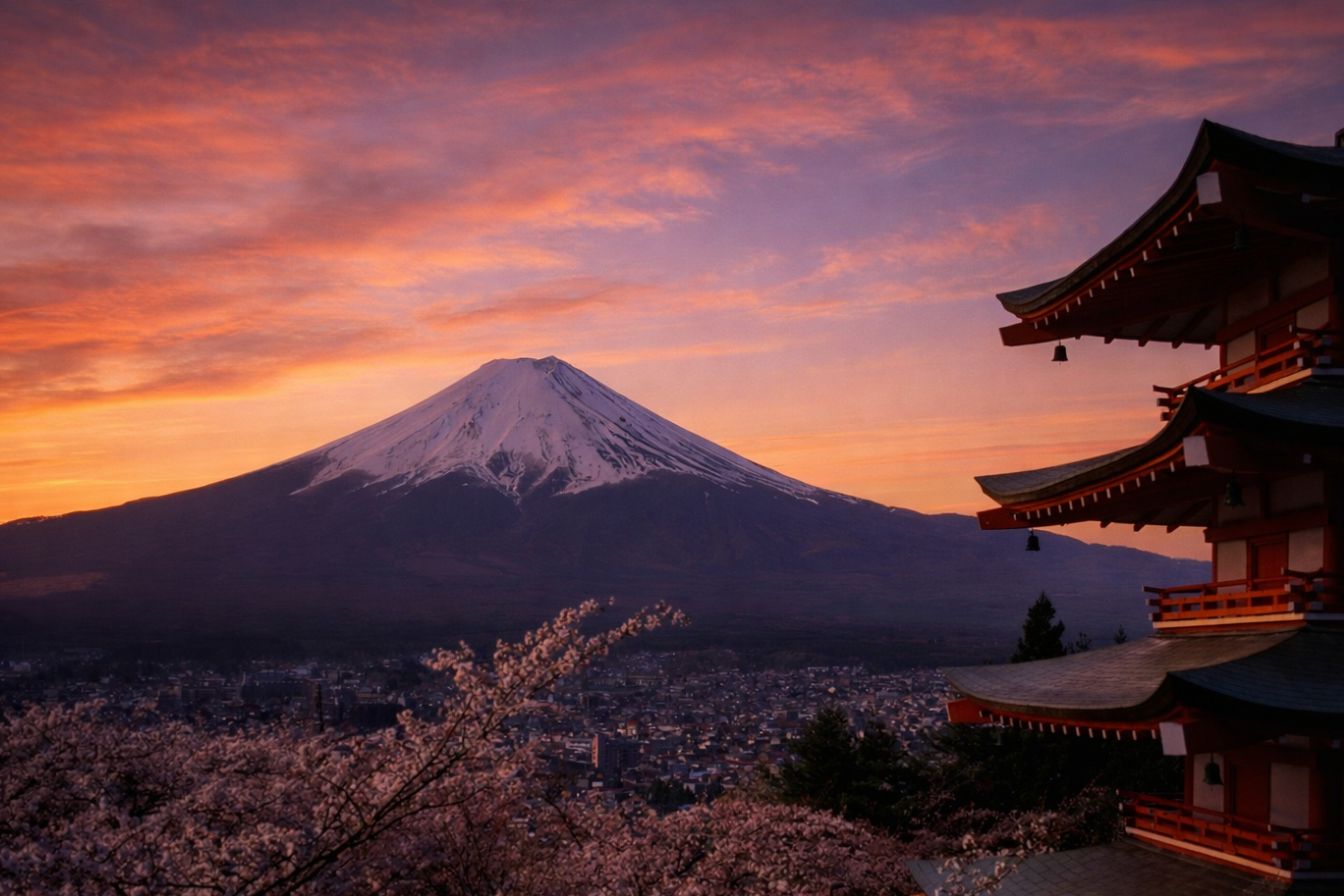
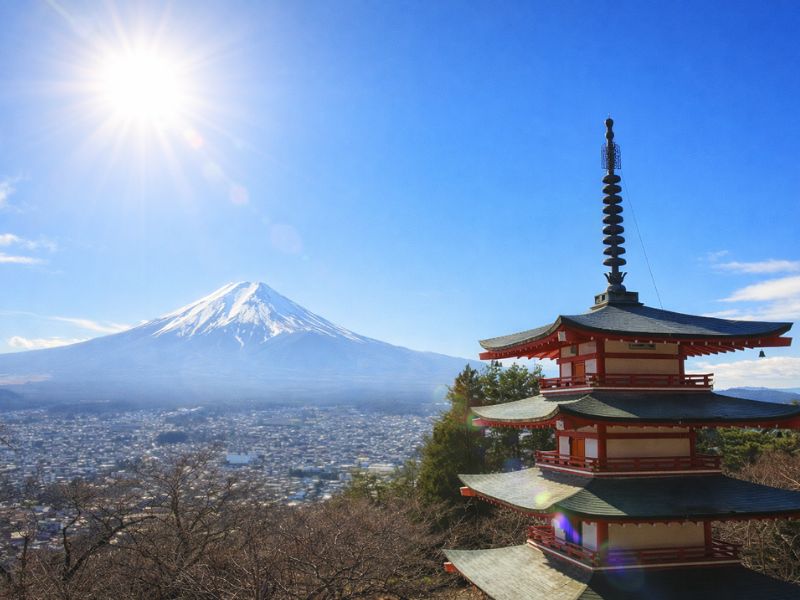
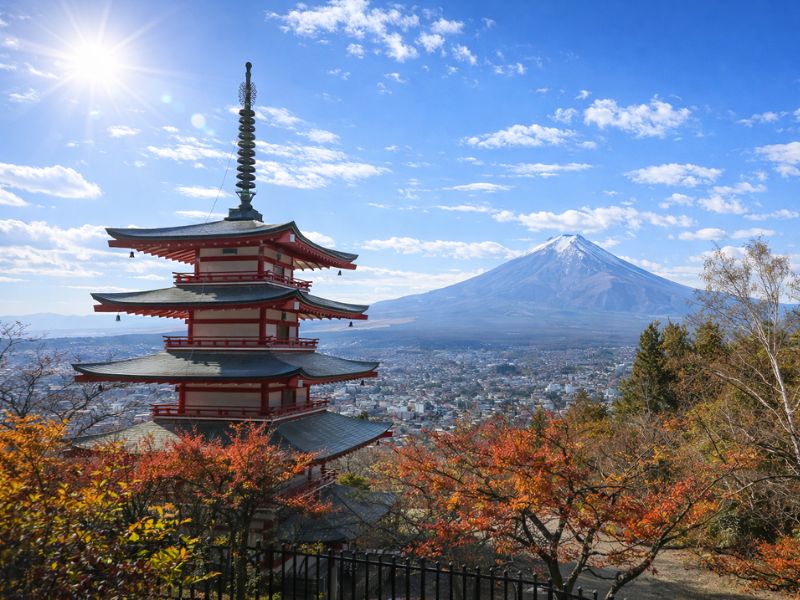
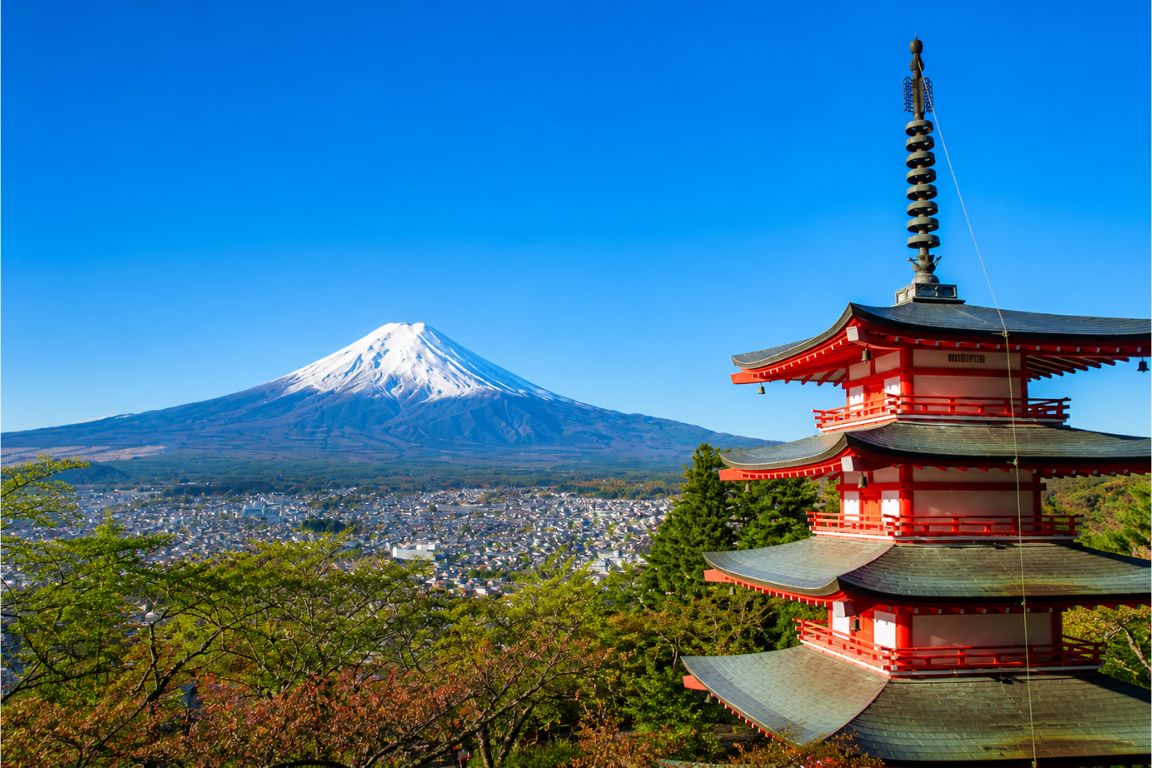
The absolute best and most iconic viewing spot around Lake Kawaguchiko is Chureito Pagoda (in Arakurayama Sengen Park), offering the classic postcard-perfect view of Mt. Fuji framed by the red five-story pagoda—especially stunning during cherry blossom season (early April) or autumn foliage.
This spot (a short train ride from Kawaguchiko Station + 398 steps up) consistently tops lists for its dramatic composition and symmetry—free entry, but arrive early to beat crowds.
If staying strictly around the lake itself, Oishi Park on the northern shore is the top choice: wide-open panoramic views across the water to Mt. Fuji, with seasonal flowers (lavender in summer, kochia in autumn) adding foreground color, plus cafes and easy bus access.
Other strong lakefront contenders: the northern shore near Kawaguchiko Ohashi Bridge for reflections, or Ubuyagasaki Peninsula for inverted "Sakasa Fuji" on calm days.
Clear skies are key (best November–February)—early morning or late afternoon light is ideal.
You can book guided Mt. Fuji day tours from Tokyo (including Kawaguchiko's top spots like Oishi Park and Chureito Pagoda) at /.
Chureito Pagoda vs Oishi Park – which has better Fuji views?
Chureito Pagoda offers the better and more iconic Mt. Fuji views for most visitors—its elevated hillside position perfectly frames the mountain behind the striking red five-story pagoda, creating the classic postcard composition that's widely considered one of Japan's most breathtaking and photographed scenes.
This spot in Arakurayama Sengen Park (a short train/walk from Kawaguchiko area) stands out for its dramatic symmetry and cultural element, especially magical during cherry blossoms (early April) or autumn colors—sources consistently rank it as the top overall viewpoint around the Fuji Five Lakes.
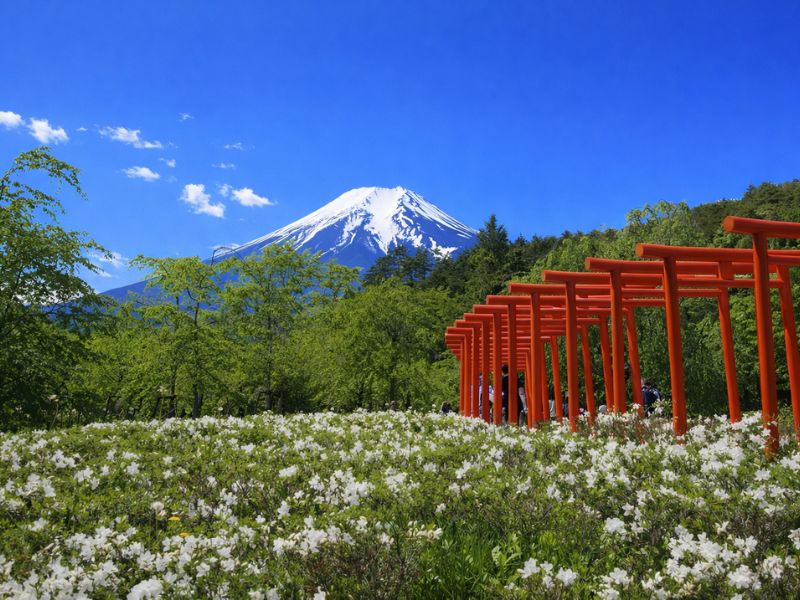
Oishi Park on Lake Kawaguchiko's northern shore provides excellent open panoramic views across the water to Mt. Fuji, often with beautiful reflections on calm days and colorful seasonal flowers (lavender in summer, kochia in fall) adding foreground interest—relaxed, accessible (bus from Kawaguchiko Station), and great for families or casual photos.
It's a strong lakefront alternative but lacks the framed "wow" factor of Chureito's pagoda composition.
Verdict: Go to Chureito Pagoda for the superior, unforgettable Fuji view (worth the 398 steps up). Visit Oishi Park if you prefer easy access, lake reflections, or combining with cafes/flowers—many tours include both for the best of each.
You can book guided Mt. Fuji day tours from Tokyo (visiting both Chureito Pagoda and Oishi Park for maximum views) at Mt. Fuji Tours.
When is the climbing season for Mt. Fuji in 2025?
The official climbing season for Mt. Fuji in 2025 is July 1 to September 10 on the Yoshida Trail (Yamanashi side) and July 10 to September 10 on the Fujinomiya, Subashiri, and Gotemba Trails (Shizuoka side).
This period is when trails, mountain huts, restrooms, and first-aid stations are fully open, buses run to the 5th Stations, and weather is most favorable (milder temperatures, lower snow/ice risk). Outside these dates, climbing is strongly discouraged and often prohibited due to extreme weather, closed facilities, no rescue services, and high danger—off-season attempts require special permits and experience.
For the best conditions, aim for mid-July to late August; early September offers fewer crowds but increasing rain/cold risks.
You can book guided Mt. Fuji climbing tours (with experienced leaders, hut reservations, and safety gear for the 2025 season) at Mt. Fuji Tours.
How hard is it to climb Mt. Fuji for beginners?
ClimbingMt. Fuji is moderately challenging for beginners—it's physically demanding but achievable for most reasonably fit people with no prior mountaineering experience, as it's a non-technical hike (no ropes or ice axes needed) on well-marked trails during the official season (July 1–September 10, 2025).
The main difficulties:
Elevation gain and altitude: From the popular Yoshida Trail 5th Station (starting at ~2,300m), you ascend ~1,500m to the 3,776m summit over 5–7 hours uphill—steep switchbacks, rocky/volcanic gravel (loose scree makes it "two steps forward, one back"), and thin air causing potential altitude sickness (headaches, nausea; affects ~30–50% mildly).
Distance and time: Ascent 6–8 hours, descent 3–5 hours—total 8–12 hours if doing the classic overnight "bullet climb" to catch sunrise (most beginners choose this to avoid huts).
Weather: Rapid changes—cold/windy at the top (even summer nights ~5°C/41°F), possible rain or fog; proper layers essential.
It's not a casual walk, but thousands of beginners (including families with teens and seniors) summit yearly with preparation—success rate ~70–80% on clear days. The Yoshida Trail is easiest for novices (most huts, facilities, and people). Training (cardio/hiking stairs) 4–8 weeks prior helps hugely.
If unfit or prone to altitude issues, consider a guided tour for support or just visiting the 5th Station for views.
Do I need to book a mountain hut in advance for Mt. Fuji climbing?
Yes, you absolutely need to book a mountain hut in advance if you plan to stay overnight during your Mt. Fuji climb in 2025—huts along all trails (especially the popular Yoshida Trail) fill up quickly, often months ahead during the short official season (July 1–September 10).
Mountain huts provide basic bunk beds, blankets, simple meals (dinner/breakfast), toilets, and a warm place to rest—essential for the classic overnight "bullet climb" to catch sunrise at the summit without extreme fatigue. There are 20–30 huts on the Yoshida Trail alone, but capacity is limited (some hold only 50–100 people), and demand is high from Japanese climbers and tourists. Walk-ins are rarely possible, especially mid-July to mid-August peak—many huts require full prepayment and don't accept last-minute bookings.
Booking tips:
Reserve 3–6 months early (some open reservations in March/April).
Use official hut websites, phone (Japanese/English limited), or services like Fuji Mountain Guides/Japan Travel for English support.
Prices ~¥9,000–13,000 pp with meals (2025 rates similar to prior years).
If you don't book a hut, you'll need to do a strenuous full day climb (starting very early from the 5th Station) or join a guided tour that handles reservations.
You can book guided Mt. Fuji climbing tours (including secured hut reservations, experienced leaders, and gear for the 2025 season) at /.
Best month to see Mt. Fuji clearly?
The best months to see Mt. Fuji clearly are November to February, with January and February offering the highest visibility chances due to cold, dry air and minimal haze—success rates often exceed 70–80% on clear days during mid-winter.
These winter months provide crisp atmospheric conditions that reduce cloud cover and pollution over the mountain, especially from popular viewpoints like Kawaguchiko, Hakone, or Tokyo. Early mornings or late afternoons maximize odds, and snow-capped Fuji against blue skies creates stunning contrast. November and December are strong runners-up with good clarity and fewer crowds than summer, plus autumn foliage bonuses in November.
Avoid June–September (rainy season and summer haze drop visibility to ~20–40%), and March–May (variable spring weather with more clouds). October can be decent but less reliable than winter.
Why is Mt. Fuji often hidden in clouds in summer?
Mt. Fuji is often hidden in clouds during summer (June–September) primarily due to high humidity and warm, moist air rising from the surrounding lowlands, which condenses into clouds as it cools against the mountain's colder upper slopes and summit (even in summer, the peak stays near 5–6°C).
This orographic effect—where moist Pacific air is forced upward by the mountain's massive elevation (3,776m)—frequently forms persistent cap clouds or low-lying haze around the peak, obscuring views even on "clear" days below. Japan's rainy season (tsuyu, June–July) and typhoon influences add more moisture and cloud cover, while summer heat increases atmospheric instability, promoting cumulonimbus development in afternoons. Visibility can drop to near 0% some years in July–August, compared to 70–80%+ in winter's dry, cold air.
For the clearest views, visit November–February when low humidity and stable conditions prevail.
You can book guided Mt. Fuji day tours from Tokyo (with expert timing for best visibility chances year-round) at Mt. Fuji Tours.
Is winter better for clear Mt. Fuji photos?
Yes, winter (November–February) is significantly better for clear Mt. Fuji photos, offering the highest visibility due to cold, dry air, low humidity, and stable weather conditions that minimize haze and cloud cover around the peak.
Visibility chances often exceed 70–80% on good days in January/February (peak clarity), compared to summer's frequent haze, humidity, and clouds dropping odds to 20–40% or lower (sometimes near 0% in July–August rainy season). Winter's crisp atmosphere produces sharper, more vibrant images, especially of the snow-capped summit against blue skies—ideal for photography from Kawaguchiko, Chureito Pagoda, or Tokyo viewpoints. Early mornings enhance clarity further, and fewer tourists mean easier shots without crowds.
Downsides: Colder temperatures (0–10°C daytime) and shorter days, but the trade-off for reliable unobstructed views is worth it for most photographers.
You can book guided Mt. Fuji day tours from Tokyo (optimized for winter's best clarity, including top photo spots like Chureito Pagoda and Oishi Park) at /.
Can I see Mt. Fuji from Hakone on a day trip?
Yes, you can see Mt. Fuji from Hakone on a day trip from Tokyo—Hakone is one of the most popular spots for Fuji views, with multiple excellent vantage points on clear days, and it's easily doable in 10–12 hours.
Key viewing spots in Hakone:
Lake Ashi (Ashinoko): Iconic views across the water to Fuji, especially from boat cruises or the Hakone Shrine torii gate in the lake.
Hakone Ropeway (Owakudani): Elevated panoramic sights from cable cars, often with dramatic black volcanic eggs in the foreground.
Moto-Hakone or Gotemba areas: Open vistas on clearer days.
Visibility is best on cold, dry winter days (November–February, 70–80% chance), but possible year-round—summer haze/clouds reduce odds. Hakone day trips typically include the Pirate Ship cruise on Lake Ashi, ropeway, and bus loops (Hakone Free Pass ¥6,100 from Shinjuku covers most transport).
It's a classic, scenic alternative or complement to Kawaguchiko—many guided tours combine both for maximum chances.
You can book highly rated Hakone day tours from Tokyo (with Lake Ashi cruise, ropeway, and prime Mt. Fuji viewpoints) at /.
Best spot for Mt. Fuji reflection photos?
The best spots for Mt. Fuji reflection photos ("Sakasa Fuji" or inverted Fuji) are along the northern shore of Lake Kawaguchiko, where calm waters on windless days—especially early mornings—create mirror-like reflections of the mountain.
Top recommendations:
Ubuyagasaki Peninsula (near Kawaguchiko Ohashi Bridge): Classic spot for clear, full reflections, often with the bridge or shrine adding foreground interest—highly photogenic and accessible.
Oishi Park (northern shore): Wide-open lake views with seasonal flowers (lavender summer, kochia autumn) framing the reflection; relaxed and bus-friendly.
Areas near Kawaguchiko Music Forest or general north shore paths: Less crowded, excellent for undisturbed mirror images when the lake is still.
Other strong options include Lake Tanuki (famous for high-definition sunrise reflections and "Diamond Fuji") or Lake Yamanakako (spacious, less touristy reflections), but Kawaguchiko's northern shore is the most reliable and iconic for day trips from Tokyo.
Go early morning for calm water and soft light—winter (November–February) offers the clearest skies.
You can book guided Mt. Fuji day tours from Tokyo (visiting Kawaguchiko's northern shore spots for prime reflection opportunities) at Mt. Fuji Tours.
Can I rent a car in Tokyo for Mt. Fuji easily?
Yes, renting a car in Tokyo for a Mt. Fuji trip is straightforward and convenient—major international and local companies have plentiful locations near stations/airports, English support, and vehicles available year-round in 2025.
Key details:
Rental companies: Toyota Rent a Car, Nippon Rent-a-Car, Times Car Rental, Orix, and internationals like Hertz/Avis have outlets at Shinjuku, Shibuya, Tokyo Station, Haneda/Narita airports—easy pickup.
Requirements: Valid driver's license + International Driving Permit (IDP, 1949 Geneva Convention—mandatory for most foreigners), passport, credit card, minimum age 21 (some 18).
Cost: Compact car ~¥6,000–10,000/day (¥40,000–70,000/week), plus tolls (~¥2,500 one-way to Kawaguchiko), fuel, and optional ETC card for expressways. Insurance included standard.
Booking: Reserve online in English weeks ahead (especially summer/peak foliage) via company sites or aggregators like ToCoo! or Rentalcars.com—walk-ins possible but risk availability.
Driving to Fuji: ~1.5–2 hours to Kawaguchiko/5th Station via Chuo/Tomei Expressway—roads excellent, but traffic common weekends; GPS in English standard.
It's popular for flexibility (stop at viewpoints, avoid bus schedules), but many prefer guided tours or buses to skip left-side driving stress and parking hassles at crowded spots.
Kids on Mt. Fuji tours – any age restrictions?
Most standard Mt. Fuji day tours from Tokyo (focusing on viewpoints like Kawaguchiko, Chureito Pagoda, Oishi Park, or Hakone) have no minimum age restrictions and are very family-friendly—children of all ages are welcome, with discounted child rates typically for ages 3–11 (often 50–70% off) and under 3 free or nominal fee.
These sightseeing tours involve comfortable bus travel, short easy walks (paved paths, minimal elevation), and stops at scenic spots—perfect for strollers or carrying younger kids. Guides accommodate families, and thousands of parents bring infants/toddlers yearly without issues.
Note:
Climbing tours (actual summit hikes during July–September season) usually have minimum ages of 8–12 years (depending on operator) due to physical demands, altitude, and safety.
Private tours offer the most flexibility for families with very young children.
One day enough for Mt. Fuji or should I stay overnight?
One full day is enough for most visitors to experience the highlights of Mt. Fuji on a day trip from Tokyo—focusing on stunning viewpoints around Lake Kawaguchiko (like Chureito Pagoda, Oishi Park, or lake reflections), a ropeway ride, or seasonal activities, all in a well-paced 10–12 hour tour.
This format (direct bus/train from Tokyo, 2 hours each way) lets you capture iconic photos, enjoy the scenery, and return by evening—perfect if your time is limited, you're basing in Tokyo, or just want the classic Fuji views without logistics. Thousands do it successfully yearly, and guided day tours handle everything smoothly.
More relaxed pacing and multiple lighting conditions (sunrise/sunset/golden hour photos).
Higher chances of clear views (stay flexible for weather).
Extra activities (onsen hot springs, evening strolls, or less crowded mornings at spots like Chureito).
A peaceful escape from Tokyo's bustle (hotels/ryokans with Fuji views are magical).
Verdict: One day is sufficient and the most popular choice for first-timers. Opt for overnight (1–2 nights) if you have flexibility, love photography, or want deeper immersion—many who can extend their trip say it's worth it.
A Typical Tour Day at Mt. Fuji
One day at Mt. Fuji, hour by hour, the way the guided day tours actually run it.
7:00 amHotel pickup in Tokyo, coach departs west
8:30 amArakurayama Sengen Park, Chureito Pagoda climb
9:30 amDrive to Lake Kawaguchi, waterfront reflections stop
10:30 amOishi Park, seasonal flower fields facing the mountain
11:30 amOshino Hakkai, eight crystal spring ponds
12:30 pmLunch near the 5th Station base
1:30 pmMt. Fuji 5th Station, 2,300 meters, walk the trail
3:00 pmDepart for onsen or Hakone
4:30 pmOpen-air hot spring with mountain views
6:30 pmReturn to Tokyo by coach or bullet train
The coach leaves Tokyo early and the reason is Mt. Fuji's well-documented relationship with cloud cover. The mountain is visible from a significant distance on clear days, and the mornings tend to offer the clearest conditions before afternoon cloud builds around the summit from below. By 10am the mountain has often pulled a layer of cloud around its upper third, and by midday the summit disappears entirely on many days. Our guides at Mt. Fuji Tours check forecasts in the days before and morning of the trip, and we tell clients honestly before they book: visibility is not guaranteed, and no tour operator who tells you otherwise is being straightforward with you. What we can do is position the group at the right spots at the right times of day to maximize the chances of a clear view. The Chureito Pagoda at Arakurayama Sengen Park, where the red five-story pagoda frames the mountain across the valley below, is the first stop precisely because the morning light hits it from the east and the view is at its best before 10am.
The climb to the pagoda involves 398 stone steps, which the guides mention in advance not to discourage anyone but because the ascent takes about fifteen minutes and arriving at the top to find the mountain has already gone into cloud would sting more if you weren't prepared for the possibility. When the view is clear, clients stand at one of the most replicated images in all of Japanese photography, the pagoda framing the perfect cone of Fuji above the town below, cherry blossoms in spring or red maple in autumn filling the foreground. The guides give the history of the Sengen Shrine at the base, the religious significance of Fuji as a sacred site in Shinto tradition, and why hundreds of thousands of pilgrims have climbed it annually for centuries. The mountain is not simply a landscape feature in Japan. It is closer to a living spiritual presence, and the guides convey that without making it feel like a lecture.
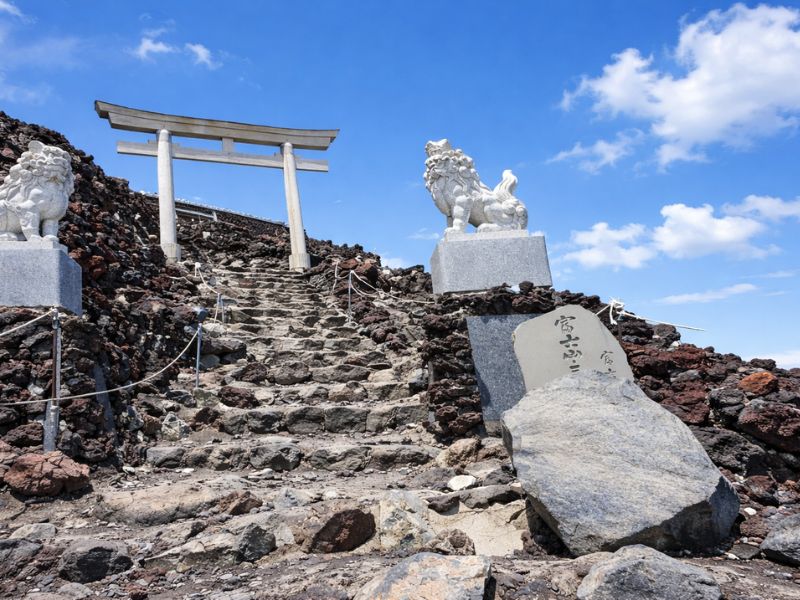
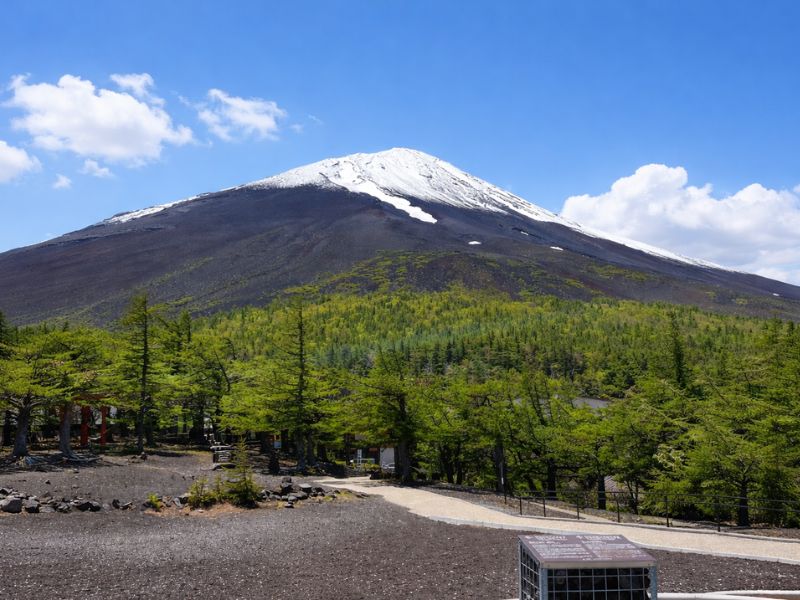
Here is what we tell clients honestly before the 5th Station visit: the 5th Station at 2,300 meters is not a summit experience. It is the point on the Yoshida Trail where the road ends and the serious climbing begins, accessible by vehicle during the climbing season, and it offers genuine altitude, cooler temperatures, and a sense of the mountain's scale that the lakeside views do not. The walk along the trail from the station gives clients a physical sense of the terrain above them and the volcanic rock and scrub vegetation that characterize the upper slopes. In good conditions the views from this elevation are extensive. Clients who want to go further, to the summit at 3,776 meters, need to book a dedicated climbing tour and arrive physically prepared for a six to eight hour ascent in thin air. A day tour to the 5th Station and a summit climb are different days entirely.
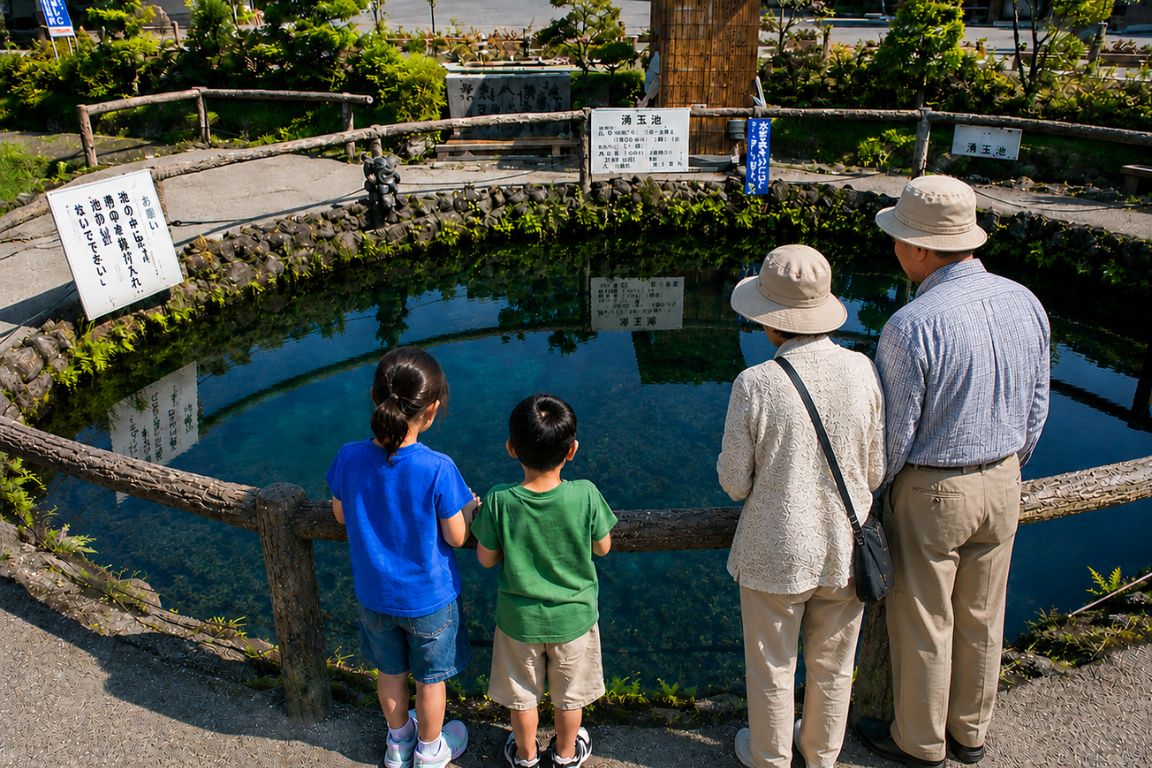
Oshino Hakkai is the stop that consistently surprises clients who didn't know to expect it. Eight spring-fed ponds at the base of Mt. Fuji, fed by snowmelt that has filtered through the volcanic rock of the mountain over decades, producing water so clear that the moss-covered beds are visible in detail at considerable depth. The largest pond, Wakuike, has been measured at a constant 14 degrees year-round regardless of the season above. Traditional thatched farmhouses sit at the water's edge, and the reflection of the mountain in the still water on a clear morning is the image that clients most often show us when they write back afterward. The guides explain the UNESCO World Heritage designation that covers the Fuji Five Lakes region and why the spring system at Oshino is considered part of what makes the mountain culturally irreplaceable.
The onsen at the end of the day is not a bonus stop. After a day that began before 7am and has covered significant ground at altitude, the open-air hot spring pools facing the mountain represent the Japanese principle of letting the landscape do its final work. Sitting in geothermal water at around 40 degrees as the mountain turns pink in the late afternoon light is the kind of transition that clients find genuinely restorative rather than merely pleasant. Mt. Fuji Tours returns most clients to Tokyo between 6:30pm and 7pm, which leaves the evening intact. Most arrive back quieter than they departed, in a way that a day spent in proximity to something Japan considers sacred tends to produce.
Average Tour Prices at Mt. Fuji, Japan
Tap a column heading to sort.
Prices below are what you'll pay when booking through verified operators online. They are current as of early 2026. Mt. Fuji Tours operates across two distinct audiences: day-trippers from Tokyo wanting iconic views from the Five Lakes region, and serious climbers making the ascent during the official climbing season from late June to early September. The two categories barely overlap in terms of experience or price. Most sightseeing tours depart from Shinjuku Station in central Tokyo, about 100 km from the Fuji Five Lakes area, and run 10 to 12 hours round trip. Haneda and Narita international airports both connect to central Tokyo in 30 to 90 minutes by train or bus.
Private tour prices for the licensed guide Hakone day trip are typically per vehicle or per group for 1 to 4 passengers; per-person cost decreases significantly with 2 to 4 travelers. The 2-day climb at $3,005 covers mountain hut accommodation, dinner, professional guide, and all logistics from Tokyo. Climbing season tours sell out well in advance; the 5th Station gate access fee (¥2,000 per person, introduced in 2024) is separate and paid on arrival.
Online vs. Self-Drive + Walk-Up vs. Large Coach Package: How Booking Method Affects What You Get
Book Online in Advance (via verified operators like Mt. Fuji Tours)
$64 to $174 for group sightseeing tours; $448 to $501 for private tours; $450 to $3,005 for climbing tours
Low: departure from Shinjuku, hotel pickup on private tours, English-speaking guide, weather-adjusted routing, free cancellation on most tours; climbing season tours and the popular Hakone + bullet train options fill weeks ahead, particularly May through August
Lower upfront cost, but highway tolls, parking fees, and fuel add up quickly
Medium: driving in Japan is generally manageable for international visitors, but the roads around the Five Lakes area are narrow during peak season, parking at Chureito Pagoda and the iconic Lawson convenience store viewpoint fills by mid-morning on clear days, and the 5th Station access road closes to private vehicles during the official climbing season on weekends and holidays unless pre-booked
Large Coach Package Tour (sold by Tokyo hotels, major tour operators, or cruise port desks)
Comparable to or slightly above individual online booking
Medium: large coach tours cover the main checkpoints efficiently but move on fixed schedules, meaning popular stops like Oshino Hakkai and Chureito Pagoda get 20 to 30 minutes rather than the hour a smaller group enjoys; group sizes of 40 to 50 people make photography at viewpoints competitive
The Honest Case for Booking with Mt. Fuji Tours in Advance
The sightseeing day tours in the $64 to $89 range represent excellent value for what they deliver: round-trip transport from central Tokyo, an English-speaking guide, and a curated route hitting 4 to 6 distinct locations across a 100 km area in a single day. The $64 tour focuses tightly on the 5th Station, Oshino Hakkai, and an onsen; the $69 six-attractions tour trades the onsen for more viewpoints; and the $89 photo tour is specifically routed for photography, stopping at Obuchi Sasaba for the rare angle of the mountain above green tea fields. None of these tours overlap significantly in their stop lists, which is worth knowing if you have more than one day in the area and want to combine two without repetition.
The gap between the $89 small-group photo tour and the $152 and $174 Hakone combination tours reflects the addition of a completely separate destination. Hakone sits in its own national park about 30 km east of the Fuji Five Lakes area and adds the ropeway over Owakudani volcanic valley, a Lake Ashi cruise, and in the $174 version, a bullet train return to Tokyo rather than the coach. In our experience, first-time visitors to Japan tend to prefer the Hakone combination because the bullet train segment alone is a genuine highlight. Travelers who have already done Hakone, or who want to spend more unhurried time at Fuji itself, are usually better served by one of the single-focus sightseeing tours.
The climbing season calculus is entirely different. The official season runs roughly from late June to mid-September, with July and August as peak months. During this window, the Yoshida Trail from the 5th Station to the summit sees hundreds of climbers per day, the 5th Station access gate now charges a ¥2,000 entry fee, and mountain hut beds require reservation months in advance. The $450 one-day summit trek with guide is the most accessible climbing option for reasonably fit adults with no mountaineering background; the guide manages pacing, altitude acclimatization, and route decisions, which matters on a 3,776-meter ascent where weather can change rapidly. The 2-day option adds a mountain hut overnight, which means arriving at the summit for dawn rather than midday, and is the experience most climbers describe as definitive. Booking either option as early as possible after the season opens is not caution; it is simply what the logistics require.
How to Visit Mt. Fuji
Mt. Fuji is the most recognisable image in Japan and, depending on the weather, either the first thing that fills your field of vision or an invisible presence behind a wall of cloud. Planning around that reality is the whole game. Here is what everyone who contacts Mt. Fuji Tours hears from us before they start planning.
1
Base yourself in Tokyo and visit Mt.
Fuji as a day trip or one-night escape. The mountain sits roughly 100 kilometres southwest of central Tokyo. The direct highway bus from Shinjuku Expressway Bus Terminal to Kawaguchiko takes about two hours and costs around 2,000 to 2,500 yen each way. Most visitors combine this with a guided day tour or join a bus tour from Shinjuku that handles all the stops and transport. Either works. What does not work is arriving in Japan without a plan and expecting Fuji to be easy to navigate independently on short notice, particularly during summer.
2
Understand that visibility is weather-dependent and check before you go.
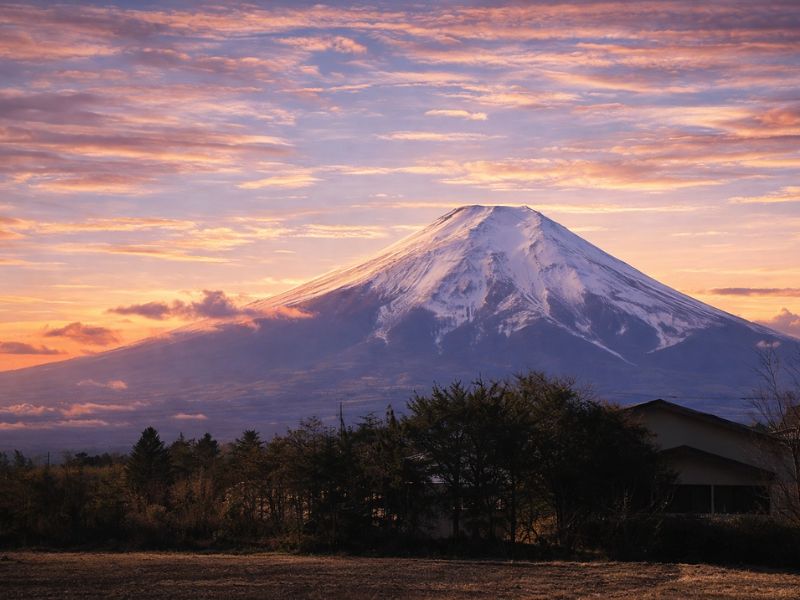
Mt. Fuji has its own microclimate and is frequently obscured by clouds, particularly in summer when humidity is high and haze builds across the Kanto plain. November through February offers the clearest, most reliable viewing conditions, with cold dry air and snow on the summit making the mountain look exactly like the woodblock prints. Spring cherry blossom season from late March to early April is the most photographed period despite less reliable skies. Summer is the climbing season but also the season of frequent cloud cover. We always tell visitors: check a dedicated Fuji visibility forecast the night before and be prepared to pivot your plans.
3
If climbing is your goal, go in July or August and book a mountain hut months in advance.
The official climbing season runs from early July through mid-September. Outside this window trails are officially closed, facilities shut, and the mountain is genuinely dangerous. Within the season, the most popular approach is an overnight climb: arrive at the Fifth Station in the evening, rest in a mountain hut, then push to the summit before dawn to catch the sunrise. Mountain huts have limited capacity and sell out quickly. Book three to six months ahead for a peak summer weekend. If you want to climb but cannot secure a hut, a pre-dawn start from the Fifth Station is possible but physically very demanding.
The town sits on the northern shore of Lake Kawaguchi, one of the Fuji Five Lakes, and gives you direct access to the two most photographed viewpoints in the region. Oishi Park on the lake's north shore puts Mt. Fuji across calm water with seasonal flowers in the foreground. Chureito Pagoda at Arakurayama Sengen Park requires climbing 398 stone steps but delivers the iconic composition of a red five-storey pagoda with the mountain behind it that appears in countless travel photographs. Both are accessible by bus from Kawaguchiko Station and both reward early arrivals before tour groups arrive.
Hakone is about 30 kilometres south of Kawaguchiko and has its own strong Fuji views, particularly from the Lake Ashi boat cruise and the Hakone Ropeway over the sulfur vents at Owakudani. Many guided day tours from Tokyo include both. The Hakone Free Pass covers most transport within the area and represents good value. The combination of volcanic landscape, onsen, and lake reflections of the mountain makes Hakone worth the addition rather than treating it as a lesser version of Kawaguchiko.
6
Plan your visit around the season you actually want to experience.
Each season around Fuji is different. Cherry blossoms frame the mountain in pink from late March through early April. Lavender and hydrangeas appear around the lakes in late June and July. Autumn kochia turns red around Oishi Park in October. Winter gives you snow-capped clarity and the best photography conditions. Climbing season is July through September. None of these overlap particularly well, so being clear about which version of Fuji you are coming for shapes everything about when to book.
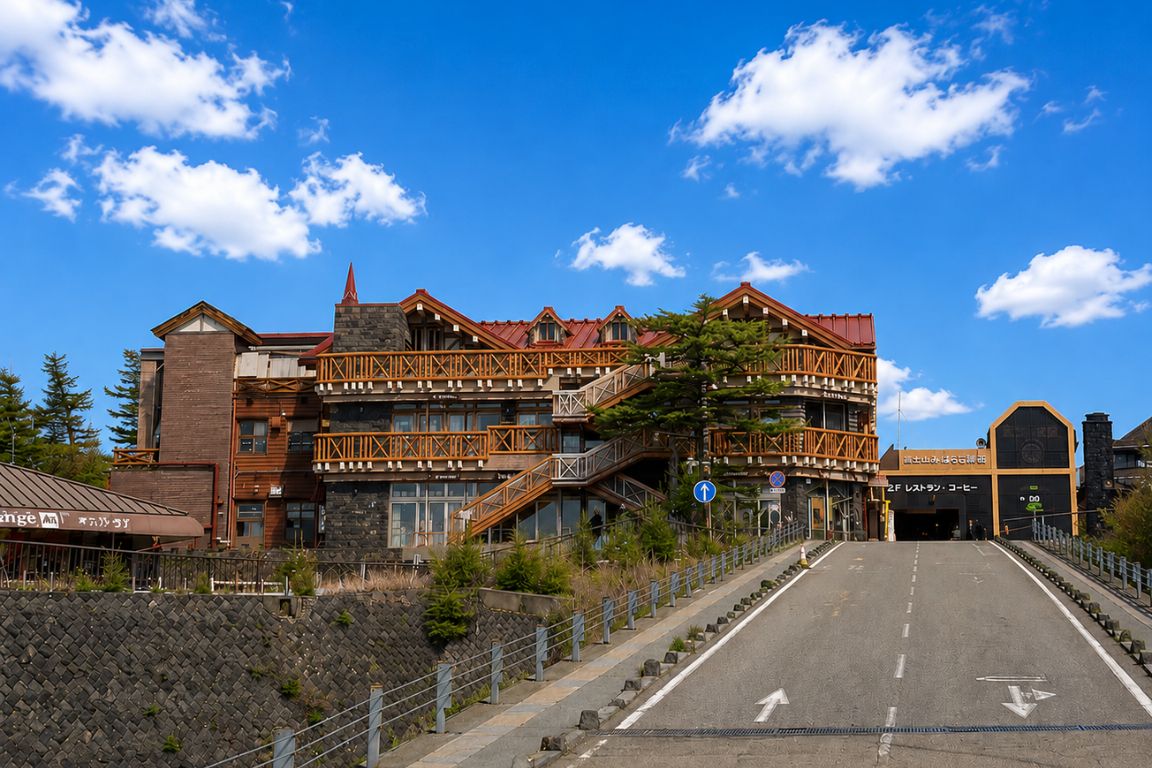
This sounds obvious but generates more confusion than anything else on the mountain. The Subaru Line 5th Station on the Yoshida Trail sits at approximately 2,300 metres, about 1,500 metres below the 3,776-metre summit. It is reachable by bus in summer and provides close-up views of the upper mountain, a cluster of souvenir shops, a shrine, and the starting point for summit climbers. It is a worthwhile stop for non-climbers who want to feel the scale of the mountain from close range. It is not the same thing as climbing Mt. Fuji, and people who go to the 5th Station and later say they climbed Fuji are telling an understandable but inaccurate story.
8
The one thing most first-timers get wrong:
visiting in midsummer expecting the clearest views and arriving to find the mountain invisible behind cloud for their entire stay. July and August are when climbing is possible and when the Fuji Five Lakes are most lively, but they are also the months when visibility drops most sharply due to humidity and the rainy season's lingering effects. Visitors who plan their entire Japan trip around a clear Fuji photograph and schedule it for August regularly come home disappointed. If the view matters more than the climb, visit between November and February when the odds are genuinely in your favour.
Most Popular Mt. Fuji Tours
Tap a column heading to sort.
Mt. Fuji is two hours from Tokyo and the single most requested day trip in Japan. Most visitors want the mountain, a lake, a hot spring, and the bullet train back. These three tours lead all Mt. Fuji Tours bookings by actual volume, and together they reflect how consistently the Fuji and Hakone combination outperforms every other format on the site.
First-time visitors from Tokyo who want the most complete and efficient Fuji day, combining the mountain with Hakone's volcanic scenery and a shinkansen ride home
Mt. Fuji 5th Station views, fresh local buffet lunch at the base, Hakone ropeway gondola over volcanic valleys, Lake Ashi cruise, English-speaking guide, multilingual audio, bullet train return to Tokyo
Budget-conscious travelers who want the Fuji and Hakone combination with an added cultural element, at a slightly lower price point
Mt. Fuji 5th Station, Lake Ashi cruise past red torii gate, Komagatake Ropeway panoramas over Hakone, taiko drum cultural show, comfortable coach, bullet train return to Tokyo
Groups, families and travelers who want a fully customizable day without group bus schedules, including any stops they choose along the route
Private vehicle and fully licensed guide, flexible itinerary covering 5th Station, Lake Kawaguchi, Hakone ropeway and lake, option to add Chureito Pagoda or Oshino Hakkai springs, hotel pickup
4.9 (18,675+ bookings)
The gap between first and second place here is one of the largest in this entire network. Over 184,000 bookings separate the two Fuji and Hakone tours despite both following a nearly identical route and ending with the bullet train. Mt. Fuji Tours consistently hears from guests that the difference comes down to the guide quality and the lunch. A live English-speaking guide who understands why the mountain matters culturally, and a proper buffet rather than a bento on the bus, turns a very good day into the one guests talk about when they get home from Japan.
Location
Mount Fuji rises to 3,776 metres on the island of Honshu, about 100 km southwest of Tokyo, and most international visitors arrive through Tokyo's Haneda Airport (HND) or Narita Airport (NRT), with the journey to the mountain's base taking around 2 to 3 hours by bus or train. The nearest dedicated airport is Mt. Fuji Shizuoka Airport (FSZ) about 80 km away, though Tokyo remains the practical gateway for most travellers. An active stratovolcano with a near-perfectly symmetrical cone, Fuji is snow-capped for roughly five months of the year and has a climbing season that runs from early July to early September, the only period when the mountain trails and summit huts are open due to the unpredictable and often severe weather conditions outside those months. Take a look at the map below to see where our tours operate around the mountain and surrounding Fuji Five Lakes region.
3,776 mElevation
100 kmDistance from Tokyo
Guarantee Your Spot with Mt. Fuji Tours
Mt. Fuji is Japan's most visited natural landmark and one of the most popular day trips from Tokyo in the world. The best-selling Hakone and Kawaguchiko tour alone has over 250,000 bookings. During peak spring foliage season, cherry blossom weeks in April, and the July to September climbing window, the tours worth doing fill well ahead of time. Mountain huts for summit climbers require reservations months in advance.
Book before you arrive in Japan. Tokyo has an enormous number of day-trip options for Mt. Fuji and the best small-group experiences with English-speaking guides go first.
What you lock in when you book in advance:
Your small-group spot during cherry blossom and autumn foliage season. The window for cherry blossoms framing Chureito Pagoda against a snow-capped Fuji lasts roughly two weeks in early April. Autumn foliage around the Five Lakes peaks in mid-November. These are the two most photographed periods of the year at Mt. Fuji, and every tour, every bus, and every viewpoint fills to capacity during them. Booking weeks ahead is the only way to guarantee a place.
A mountain hut reservation for the summit climb. The official climbing season runs July through early September. Huts along the Yoshida Trail take reservations from March or April and fill months before opening day. A guided climbing tour through Mt. Fuji Tours handles that reservation as part of the package. Without it, you are doing an all-night ascent with no place to rest, which is both exhausting and significantly less safe.
A guide who actually knows where to stand. The postcard shot of Chureito Pagoda, the exact northern shore position for the best lake reflection, the timing that gets you to Oishi Park before the morning haze rolls in, those are not secrets but they require experience. A guide who does this route regularly makes a meaningful difference in what you bring home.
The private customizable tour before all vehicles are committed. The private full-day tours with dedicated vehicles, licensed guides, and flexible itineraries book out quickly because there are only so many available on any given day. When you want to customize the route around your group's priorities, that requires a confirmed booking, not a phone call the morning of.
Your day trip timed around visibility forecasts. Mt. Fuji is hidden by clouds more often than most visitors expect, especially in summer. Guides who have done this hundreds of times know which days to book and which to avoid. Booking in advance with Mt. Fuji Tours and staying in contact with the operator about conditions is how you maximize the odds of actually seeing the mountain.
Japan rewards visitors who plan ahead. Mt. Fuji rewards them twice.
Guides and straight answers to plan the trip: how to reach the mountain from Tokyo or western Japan, where to base yourself, when the peak is actually visible, and the questions travellers ask us most.