Mount Fuji Tour vs DIY
Mt. Fuji tour or DIY? Compare costs, flexibility, and logistics to choose the best option for your trip style and budget.
Last updated: May 12, 2026
DIY works well if you want to arrange the journeys yourself. A shared tour buys a fixed route; a private booking buys a vehicle and time to discuss your group’s priorities.
Booking Summary: Compare a Tokyo private day, a shared pagoda-and-lakes coach and a local private day paired with your own transport. Use current quotes and all excluded costs in the calculator below.
Scroll to the end for the complete comparison and provider booking links. Interactive matching requires JavaScript.
Quick Comparison: Tour vs DIY at a Glance
| Cost (per person) | ¥10,000-¥18,000 | ¥15,000-¥30,000+ | ¥8,000-¥15,000 |
| Transport included | Yes, from Tokyo | Yes, door-to-door | No, you book separately |
| Flexibility | Low – fixed schedule | High – fully custom | Full – go where you like |
| Language barrier | English guides available | English guide included | Manageable with apps |
| Planning effort | Minimal | Minimal | Moderate |
| Photo time at each stop | Limited (20-30 min) | As long as needed | As long as you want |
| Best for | First-timers, solo travelers | Groups of 2-5, families | Experienced travelers, budget travelers |
Should You Book a Tour or Go It Alone?
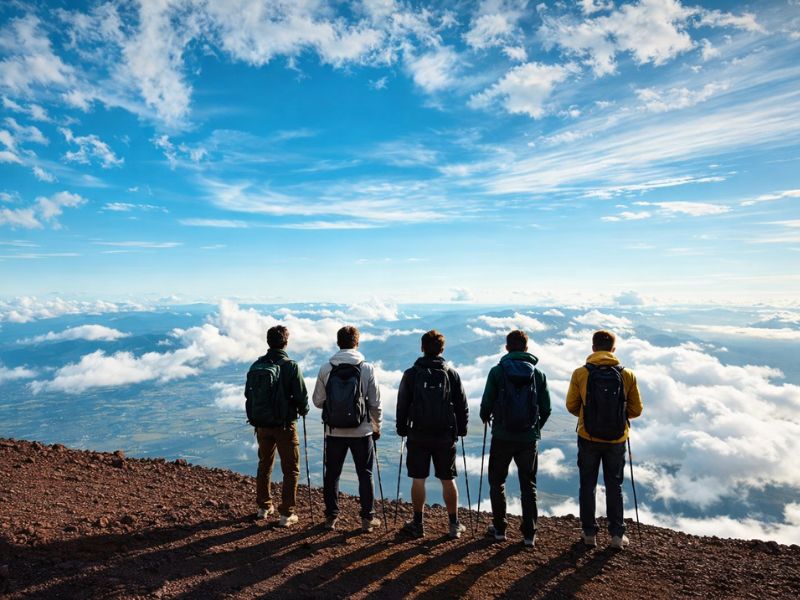
The short answer: both work, and the right choice has more to do with your travel personality than with Mt. Fuji itself. If you want zero planning and one booking to cover your day, a group bus tour makes sense. If you want total freedom and don’t mind reading a transport guide the night before, DIY is straightforward and often cheaper. If you’re traveling with two or more people and want flexibility without the logistics, a private tour is worth the math.
What makes the Mt. Fuji decision different from other Tokyo day trips is the mountain’s weather unpredictability. Fuji is famously cloudy – the summit is clearly visible only on roughly 60 to 80 days per year depending on the season, and clouds typically roll in by 11:00 AM to 12:00 PM on most summer days. Tours can’t control this. DIY travelers can’t control this either. What a guide does help with is maximizing the clear window: a knowledgeable guide knows to prioritize the north shore reflection stop early and save the 5th Station visit for mid-morning. DIY travelers who arrive at Kawaguchiko at 10:30 AM after a slow start in Tokyo often miss the best visibility window entirely.
The visibility issue applies equally to tours and DIY. The real differences are logistics, cost, and time control. A group tour removes every logistical decision from your day at the cost of schedule flexibility. DIY gives you complete control at the cost of having to make the decisions yourself. For most first-time visitors to Japan, the logistics are manageable with preparation but take genuine mental energy – the same energy you might rather spend on the mountain.
Want to make the Mount Fuji trip from Tokyo actually worth the effort? Here’s our how to visit Mount Fuji tours from Tokyo guide so you don’t waste the journey.
What a Guided Mt. Fuji Tour Actually Includes
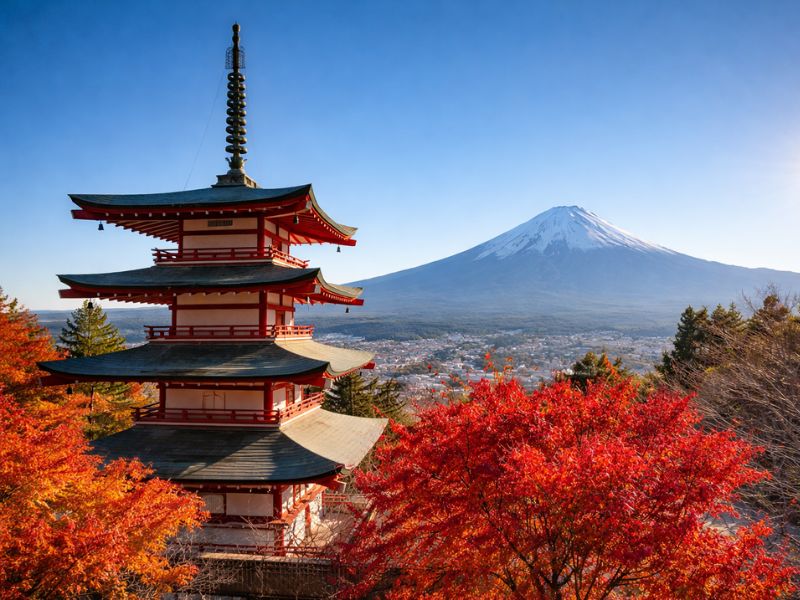
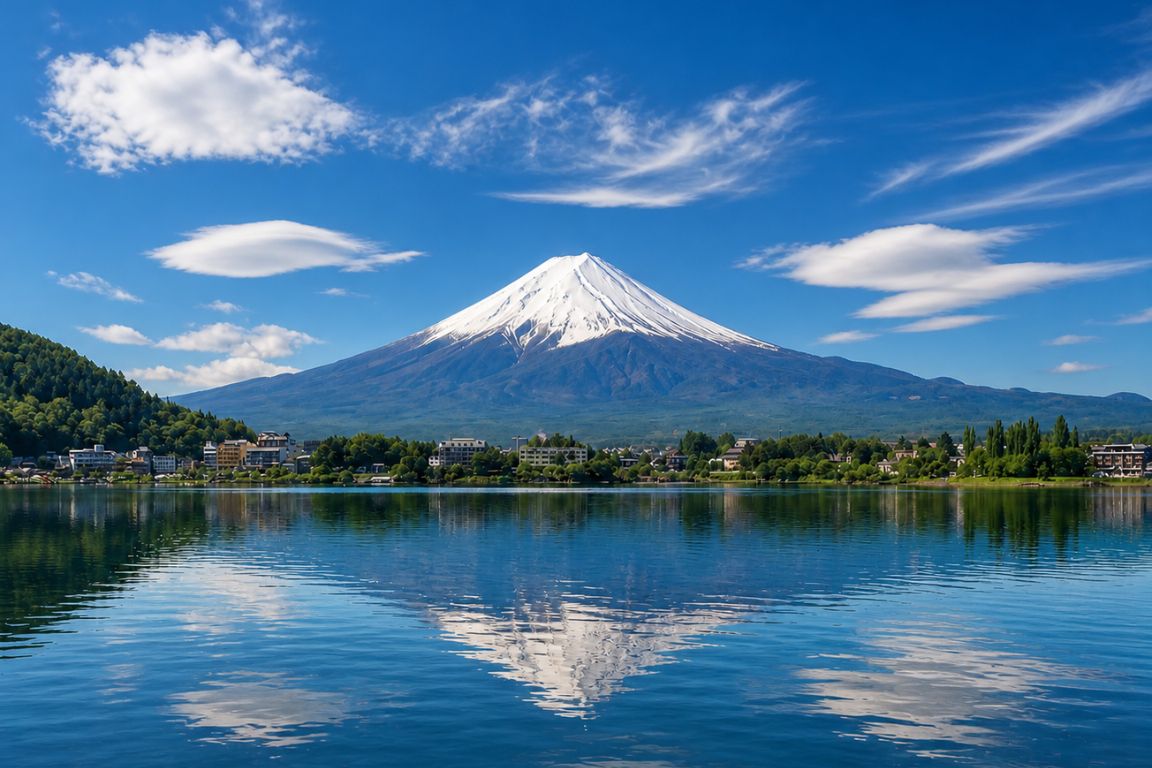 Most group bus tours from Tokyo to Mt. Fuji include round-trip transport from a central Tokyo meeting point (typically Shinjuku or Shibuya), an English-speaking guide, and a set itinerary covering 3 to 4 stops over 10 to 12 hours. Common stops: Chureito Pagoda at Arakurayama Sengen Park, Oshino Hakkai, Lake Kawaguchiko, and the 5th Station (weather and season permitting). Lunch is sometimes included or available as an add-on. Entrance fees to specific attractions are occasionally included but often not. Read the booking page carefully.
The guide is genuinely useful beyond navigation. A good Mt. Fuji guide reads weather conditions throughout the day and reorders stops accordingly – moving the mountain view spots earlier when clouds are developing, keeping indoor stops for when visibility drops. They also provide cultural and historical context at each stop: the story of the Chureito Pagoda, the geology of the Oshino Hakkai springs, the significance of the mountain in Shinto tradition. This adds a layer to the experience that pure sightseeing doesn’t.
The main limitation of group tours is the fixed schedule. Most stops are 20 to 40 minutes – enough to take photos and look around, not enough to linger. If the mountain is exceptionally clear when you arrive at the north shore, you won’t be able to stay longer because the bus moves on. If you hit traffic and arrive late, the stops get compressed. Individual travelers in the group with different interests – one person wants more time at Oshino Hakkai, another wants to buy souvenirs at the 5th Station – have no way to diverge from the group timeline. For some travelers this structure is a relief; for others it’s a constraint.
Group tours also run on fixed departure points at specific times, usually 7:30 to 8:30 AM from Shinjuku. If your hotel is in Shibuya or Tokyo Station area, getting to the meeting point by that time requires waking up very early and navigating central Tokyo before rush hour with luggage or a day bag. Private tours solve this with hotel pickup. DIY solves it by letting you set your own departure time.
Never done a Mount Fuji tour before and not sure what you’re actually signing up for? Here’s our what to expect on a Mount Fuji tour guide so there are no surprises on the day.
The Case for DIY: Transport, Cost, and Flexibility
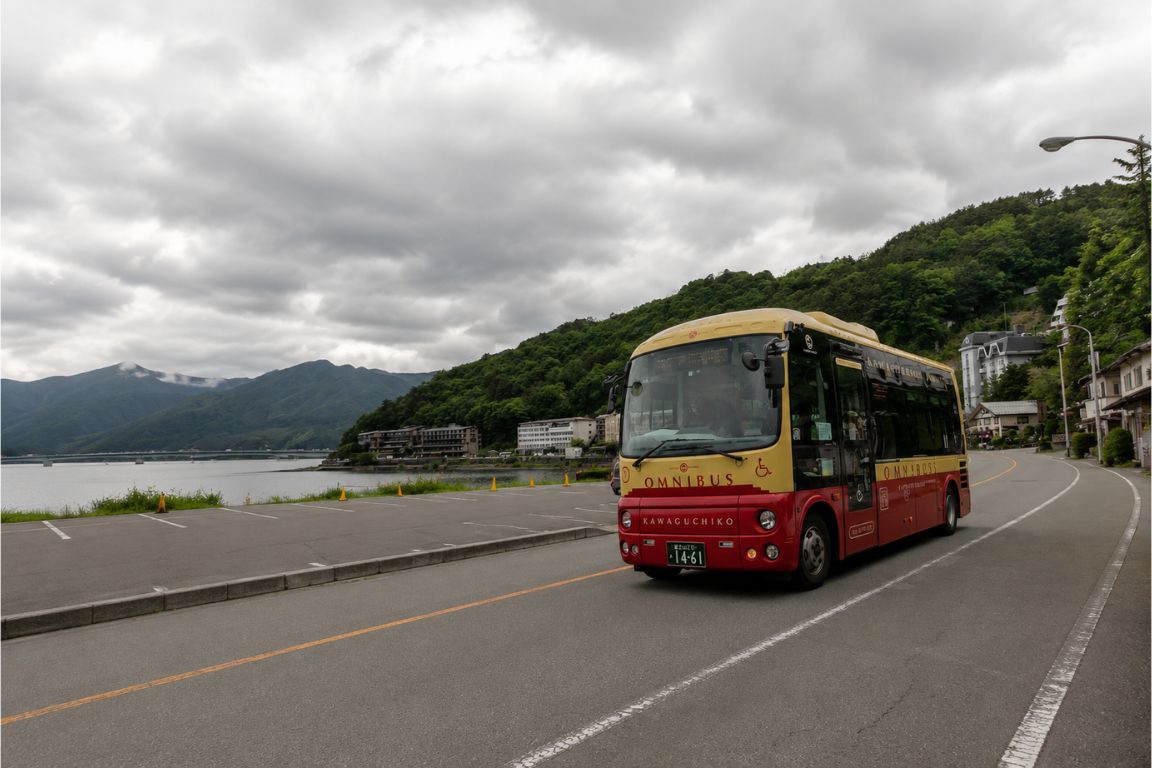
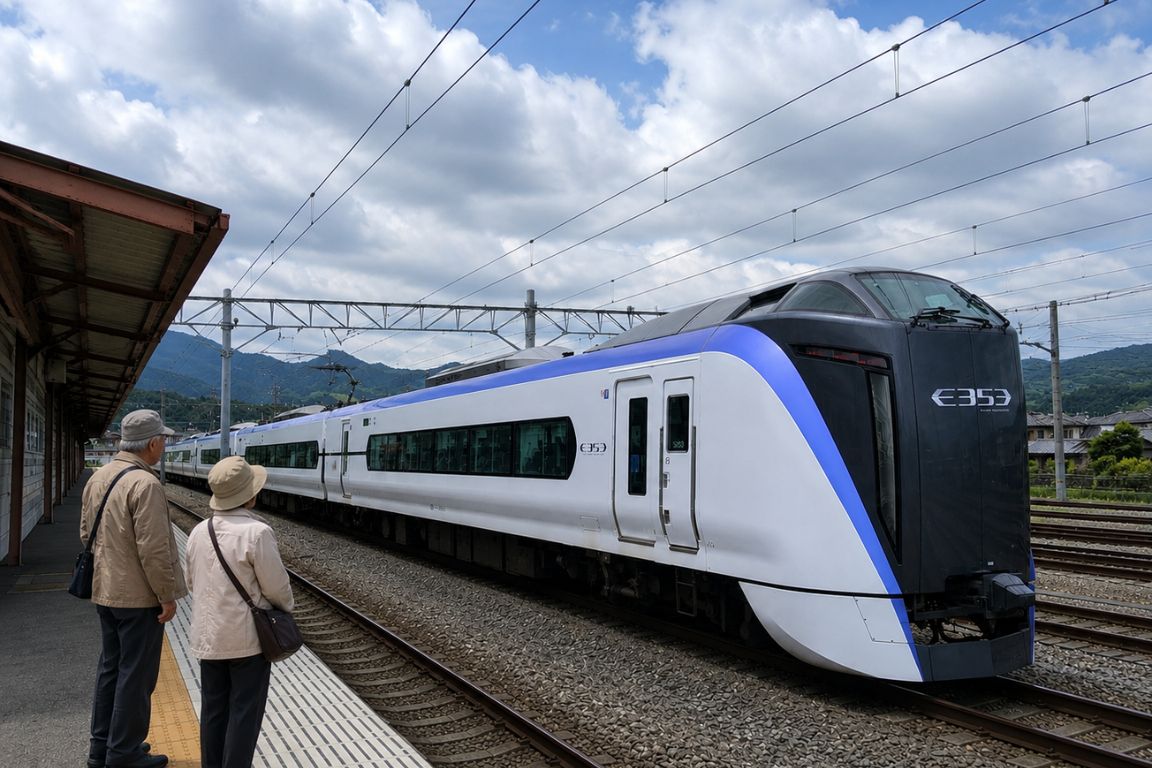 Japan’s public transport is genuinely excellent and Mt. Fuji is well-connected to Tokyo. The two main options from Shinjuku: the Fuji Excursion Limited Express train (direct to Kawaguchiko, ~2 hours, ~¥4,130 one way, reserved seating, comfortable) or the highway bus (Busta Shinjuku to Kawaguchiko, ~2 hours, ~¥2,200 one way, cheapest option). Once at Kawaguchiko Station, the Red and Green Line sightseeing buses cover all major stops on a ¥1,500 day pass. Total round-trip transport and sightseeing bus: ¥9,860-¥14,060 depending on which transport you choose.
The Fuji Excursion is the better experience for most travelers – reserved seating means a guaranteed seat, the train is comfortable and smooth, and views of the mountain appear from the window as you approach. Seats sell out weeks in advance on peak weekends and cherry blossom season, so book through JR East’s reservation system or a platform like Klook well ahead. The highway bus is cheaper and runs frequently from Busta Shinjuku, but it’s subject to traffic delays on the Chuo Expressway – on Golden Week or Obon weekends, what should be a 2-hour trip can run to 4 hours.
The freedom of DIY is real. You can spend 90 minutes at Oshino Hakkai if you want to, and some people genuinely want to sit on a bench and stare into those ponds for much longer than a tour would allow. You can skip stops that don’t interest you, double back if you missed something, linger at the north shore if the mountain is exceptionally clear, or add an impromptu stop at the Kawaguchiko Music Forest Museum. The sightseeing bus pass makes spontaneous stop-hopping straightforward – you just get off at whatever stop appeals, and catch the next bus to wherever makes sense next.
Two practical DIY considerations worth knowing: the sightseeing buses at peak season (summer, cherry blossom, autumn foliage) get crowded enough that you may wait for two or three buses to pass before there’s room at the stop. The Fuji Excursion seats sell out fast. Plan both in advance rather than assuming you can show up and wing it.
Want an honest comparison between the two most popular ways to get to Mount Fuji independently? Here’s our train vs bus to Mount Fuji guide so you travel smarter.
Where DIY Gets Complicated (and Tours Solve It)
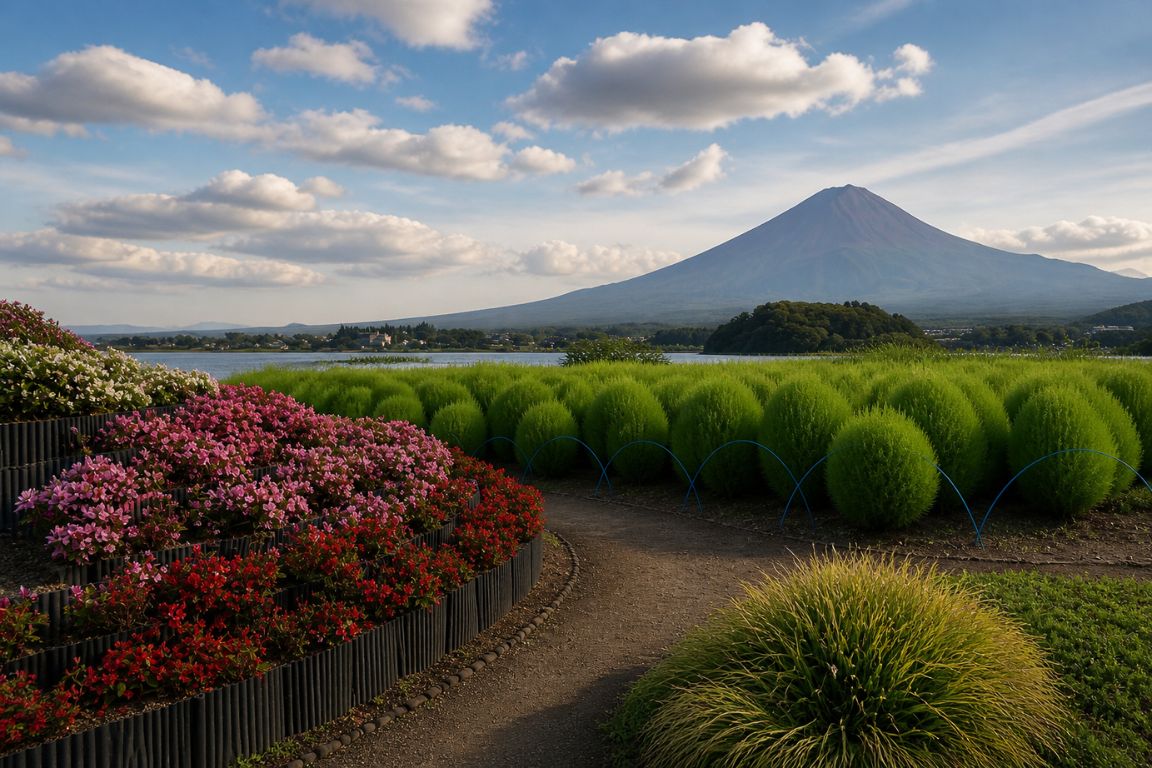 DIY is manageable but not without friction points. The main ones: transport booking requires forward planning (especially the Fuji Excursion, which sells out weeks ahead); the luggage situation at Kawaguchiko Station involves coin lockers that fill up quickly in peak season; the sightseeing buses can’t reach some of the better-known spots like the famous Lawson convenience store photo spot or quieter lake shore areas; and the return timing requires attention – the last buses and trains to Tokyo leave between 5:30 and 7:00 PM and fill up fast.
The JR Pass situation is also worth clarifying. Many travelers assume the JR Pass covers the Fuji Excursion train, it only covers the section from Shinjuku to Otsuki (roughly half the journey). The Fujikyu Railway from Otsuki to Kawaguchiko is a private line and costs extra regardless of pass type. The local sightseeing buses around the lake are also not JR-operated, so the pass doesn’t apply. For travelers counting on the JR Pass to cover a Fuji day trip, the actual savings are more modest than expected.
Navigation is not a genuine barrier – Google Maps handles Mt. Fuji transit routes accurately in English, and Japanese station staff are accustomed to helping English-speaking tourists. The language situation at restaurants and smaller local shops is more variable, though most tourist-facing venues in Kawaguchiko have English menus or picture menus. The friction point is less about language and more about the time cost of figuring things out independently: which bus stop to use, where to store luggage, whether the 5th Station road is open on your specific date, how to time your return against the limited evening departures.
Tours solve all of these problems by design. A good guide also knows things that no map tells you: which bus stop at Oishi Park gives you 50% fewer people for the same photo, that arriving at Oshino Hakkai before 10:00 AM avoids the worst tour bus crowds, or that the clouds often clear briefly in the late afternoon even when the morning was socked in. That local knowledge is the thing you genuinely can’t replicate from a transit guide.
Trying to figure out which Fuji scenic stops deliver the most dramatic views and which ones most tours include just to fill the itinerary? Check out our Mt. Fuji tours scenic spots explained guide before you book.
Cost Comparison: Group Tour vs Private Tour vs DIY
 At budget level, DIY is cheaper. At the mid-range solo traveler level, the prices converge. For groups of two or more, private tours become competitive on a per-person basis while delivering substantially more flexibility. The headline price of a group tour – ¥10,000 to ¥18,000 – often excludes lunch and several entrance fees, so the actual all-in cost runs higher than the booking page suggests.
| Budget DIY (highway bus + sightseeing pass) |
¥8,000-¥10,000 | ¥8,000-¥10,000 | ¥8,000-¥10,000 | Transport, bus pass, lunch, 5th Station shuttle |
| Mid-range DIY (Fuji Excursion + sightseeing pass) |
¥12,000-¥16,000 | ¥12,000-¥16,000 | ¥12,000-¥16,000 | Reserved train, bus pass, lunch, 5th Station shuttle |
| Group bus tour | ¥10,000-¥18,000 | ¥10,000-¥18,000 | ¥10,000-¥18,000 | Transport + guide; lunch often extra; most entrance fees extra |
| Private tour (group of 2-5 total) |
¥35,000-¥60,000 | ¥17,500-¥30,000 | ¥9,000-¥15,000 | Hotel pickup, English guide, custom itinerary; meals extra |
The private tour math is the most important thing to understand in this comparison. The sticker price looks high compared to a group tour, but it’s priced per group, not per person. A private tour at ¥40,000 for a group of four comes to ¥10,000 per person – the same as the lower end of a group bus tour, with hotel pickup, a fully flexible itinerary, and a guide who spends the entire day focused only on your group. For families or groups of three or more, the per-person comparison is nearly always favorable once you include that a group tour doesn’t offer hotel pickup, lunch is separate, and some entrance fees are extra. All prices verified May 2026.
Wondering whether the budget options cut corners or whether the premium tours are just charging for the name? This Mount Fuji tour comparison guide covers what the price differences really mean in practice.
Private Fuji Or Hakone Day: Scheduled Dates
Choose one Fuji-lakes or Fuji-Hakone route with private transport and an English-speaking driver-guide.
Check Dates For Private Fuji Or Hakone DayGroup Tour vs Private Tour: Which Guided Option Is Right?
If you’re traveling solo or as a couple on a budget, a group bus tour is the right guided option – you get all the logistical benefits and an English guide for the lowest price. If you’re traveling with two or more people and value flexibility, a private tour becomes the better choice once you account for per-person pricing. The real differentiator is not cost but experience: group tours hit the same Instagram stops in the same order for every group; private tours go where you actually want to go.
Group tours run a predictable circuit: Chureito Pagoda, Oshino Hakkai, Kawaguchiko lakeside, 5th Station. The stops are the right ones – they are genuinely the best spots. But the 20 to 30 minutes at each stop can feel rushed, especially at Oshino Hakkai where 45 minutes is barely enough to see all eight ponds without feeling pressed. And the photo time at major viewpoints depends entirely on how many other tour buses have arrived simultaneously – at peak season, Chureito Pagoda can have dozens of groups cycling through within the same hour.
Private tours avoid this in two ways. First, the guide can adjust timing to arrive at popular spots before or after the main tour bus window – often 30 minutes makes a dramatic difference to crowd levels. Second, the itinerary isn’t fixed: if you’ve seen enough of one spot, you move on. If a spot is exceptional, you stay. If the mountain is visible from an angle no tour bus stops at, you go there. These adjustments are not possible in a group format and they consistently produce a better experience for people who care about the quality of time at each stop versus just checking the stops off.
Best DIY Itinerary for a Mt. Fuji Day Trip
 Leave Shinjuku by 7:00 AM at the latest. The morning light and visibility window are the most valuable resource of the day and cannot be recovered once lost. Aim to be at the north shore reflection viewpoint by 9:30 AM. Build from there based on whether the mountain is visible or not, if clear, stay at the viewpoints longer; if cloudy, prioritize the 5th Station mid-morning when visibility sometimes improves from cloud movement.
Here is the itinerary that makes best use of a single day at Mt. Fuji without a guide:
6:30-7:00 AM: Depart Shinjuku on the Fuji Excursion Limited Express (book reserved seats in advance, ~¥4,130 one way) or the 6:45 AM highway bus from Busta Shinjuku (~¥2,200).
8:30-9:30 AM: Arrive Kawaguchiko Station. Pick up a 1-day sightseeing bus pass (¥1,500) at the station. Store luggage in coin lockers if needed (¥600-¥1,000 per bag; arrive early as they fill up on peak days). Take the Red Line bus immediately to the north shore viewpoint at Kawaguchiko Natural Living Center or Oishi Park. This is your best chance of a clear reflection – before 10:00 AM, before the tour buses arrive, before afternoon cloud builds.
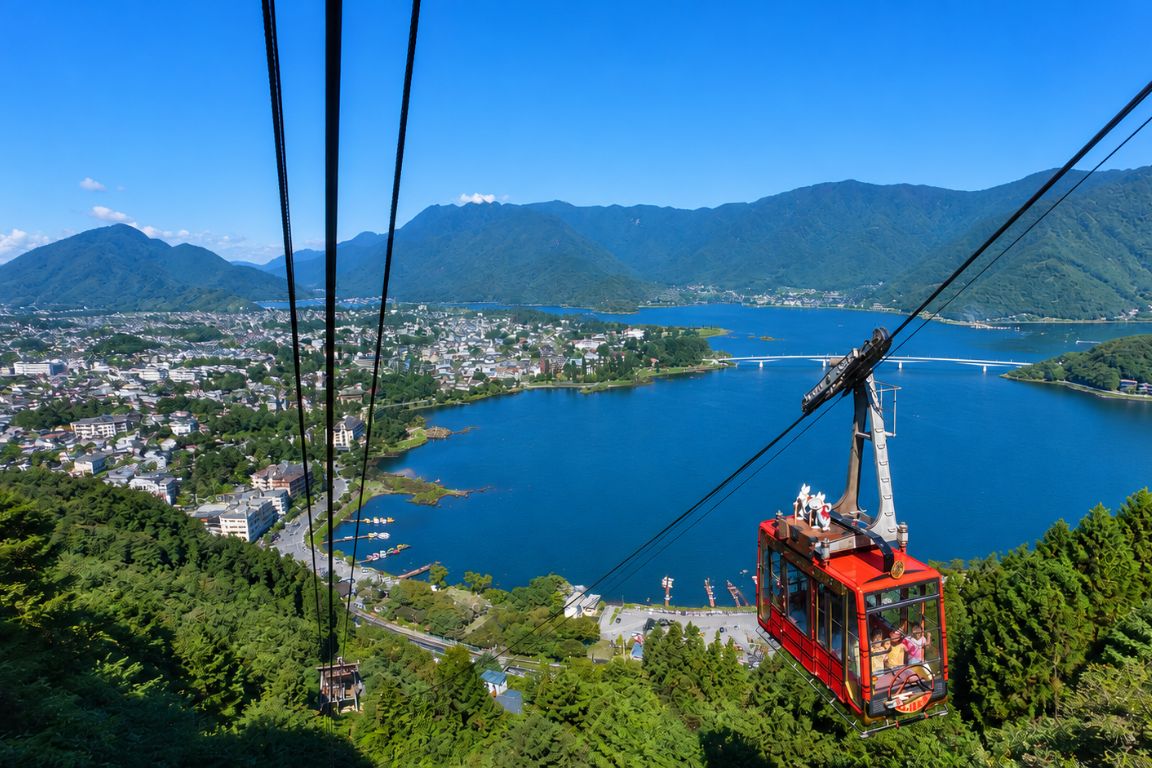
9:30-11:00 AM: North shore walk and Oishi Park. Walk the flat lakeside path. Take the Kachi Kachi Ropeway (~¥1,000 round trip) if you want the elevated view – arrive early to avoid the queue that builds from 10:00 AM onward.
11:00 AM-12:30 PM: Bus to Oshino Hakkai (~30 minutes on Green Line bus). Walk the village and pond paths (45-60 minutes). Lunch at one of the village restaurants or stalls – try hoto noodles, a Yamanashi specialty (¥1,000-¥1,500).
12:30-2:30 PM: Bus back to Kawaguchiko Station and connect to the 5th Station shuttle bus (~50 minutes, ~¥1,950 one way). Spend 45 to 60 minutes at the 5th Station. Browse the shops, visit the small shrine, and look up at the volcano above you. Return to Kawaguchiko by bus.
2:30-4:30 PM: Flexible. Optional: Shimoyoshida Station (5 minutes by Fujikyu Railway, ~¥220) and climb the 398 steps to Chureito Pagoda for the late afternoon mountain view – best light hits after 3:00 PM. Or stay at the lake for the Appare boat cruise (~¥1,600) if you haven’t done it yet.
5:00-5:30 PM: Return to Kawaguchiko Station for the Fuji Excursion back to Shinjuku. Book the return ticket in advance – evening departures fill up especially on weekends. Arrive Shinjuku around 7:30 PM.
Total estimated DIY cost for this day: ¥13,000-¥16,000 including all transport, bus pass, lunch, and ropeway. All prices verified May 2026.
Wondering whether the direct highway bus or a guided tour from Tokyo gets you more out of a Kawaguchiko day trip? This Kawaguchi day trip from Tokyo guide covers the transport and timing details most Japan travel blogs skip over.
Which Option Is Right for Your Trip?
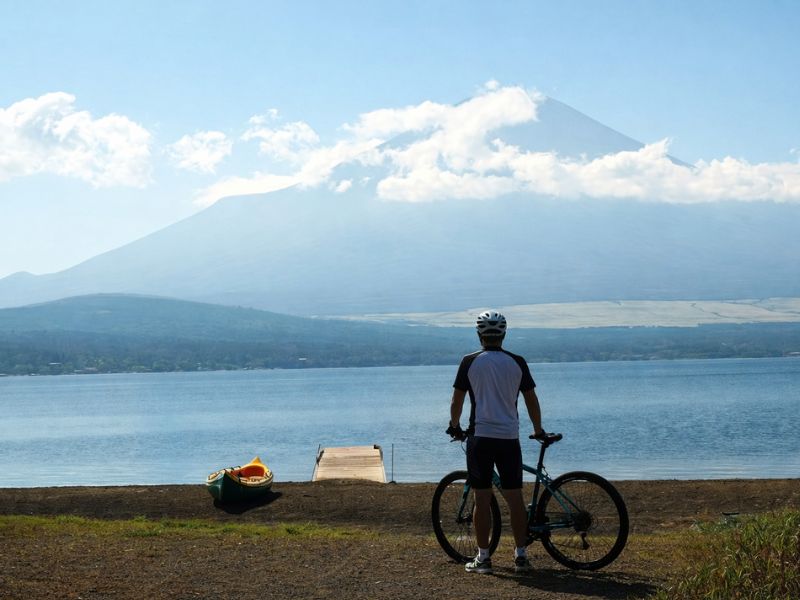
Use this framework. Group bus tour if: it’s your first time in Japan, you’re traveling solo or as a couple on a budget, you want zero planning, or you find navigating Japanese transit stressful. DIY if: you’ve traveled independently in Japan before, you want to set your own pace, you’re comfortable booking transport online in advance, or you’re on a tight budget. Private tour if: you’re traveling with two or more people, you want hotel pickup, you care about flexible time at each stop, or you want a guide who knows the local visibility patterns and off-beat spots that buses don’t reach.
There is one situation where neither a group tour nor basic DIY serves well: a group of four or five people who want flexibility. At that size a private tour per person often costs the same as or less than a group bus tour while delivering hotel pickup, a custom itinerary, and a guide whose only job is your group. Many travelers who book group tours for groups this size later realize a private tour was the better value.
Two things nobody can control: whether the mountain is visible, and whether seats are available on your first-choice transport. Book the Fuji Excursion and any private tour well in advance – weeks for peak season, a few days minimum for shoulder season. The mountain will decide whether to show up. Everything else is within your control.
Questions about which format suits your specific group? Compare a private customizable day tour from Tokyo against the group-bus and DIY columns above, then match it to your group size and budget.
Mount Fuji is visible far less often than the postcard version suggests – our best time to see Mount Fuji tours guide breaks down the months when clear sightings are most consistent and what affects visibility beyond just the season.
How Our Clients Travel to Mt. Fuji: Data from Mt. Fuji Tours
| Clients on private tour vs group tour | 45% private / 55% group |
| Average group size on private tours | 4.2 people |
| % who said flexibility was the main reason for choosing private | 92% |
| Most cited group tour limitation by past clients | Rigid Schedule – 88% |
| % of private tour clients who got clear mountain views | 62% (vs 45% on group tours – guide adjusts timing) |
Frequently Asked Questions
Is it easy to visit Mt. Fuji independently from Tokyo?
Yes. Japan’s public transport is excellent and the route is well-documented in English. The Fuji Excursion Limited Express from Shinjuku gets you to Kawaguchiko in about 2 hours with no transfers. A ¥1,500 sightseeing bus day pass covers all major stops at the lake. The main requirements: book the Fuji Excursion seat in advance (it sells out), leave Tokyo early to catch the morning visibility window, and download Google Maps offline for the Kawaguchiko area.
What does a group Mt. Fuji tour from Tokyo include?
Most include round-trip transport from a central Tokyo meeting point, an English-speaking guide, and 3 to 4 stops over 10 to 12 hours. Common stops: Chureito Pagoda, Oshino Hakkai, Lake Kawaguchiko, and the 5th Station. Lunch and some entrance fees are often not included – read the booking details carefully. Group sizes typically range from 8 to 30 people. Prices run ¥10,000 to ¥18,000 per person. All prices verified May 2026.
When does a private tour make more sense than a group bus tour?
When you’re traveling with two or more people who want flexibility, when you’re staying in a central Tokyo hotel and want pickup rather than a meeting point commute, when you care about timing stops around cloud conditions, or when your group size makes the per-person cost comparable. For a group of four, a private tour at ¥40,000 total works out to ¥10,000 per person – comparable to a group bus tour but with hotel pickup and a custom itinerary.
How early should I leave Tokyo for a Mt. Fuji day trip?
By 7:00 AM at the latest. The mountain’s best visibility is before 10:00 AM, when clouds typically build from the morning. Arriving at Kawaguchiko before 9:30 AM gives you the morning window. Travelers who leave Tokyo after 8:00 AM often arrive to find the mountain already behind cloud cover for the day. The 6:30 AM highway bus or the first Fuji Excursion departure from Shinjuku are the right choices.
Not sure which format is right for your group? Review the private Mt. Fuji and Hakone tour with a fully licensed guide if you want hotel pickup and a stop list that can change during the day.
Written by Akira Nakamura
Japanese tour guide since 2012 · Founder, Mt. Fuji Tours
Akira has guided over 11,500 travelers through the Mt. Fuji region from Tokyo, including solo travelers, couples, families, and groups on both guided and hybrid itineraries.