Best Time to See Mount Fuji
Best time to see Mt. Fuji clearly? Early mornings in winter - discover visibility by season, photo timing, and when the mountain disappears behind clouds.
Last updated: May 20, 2026
Choose the viewing route after checking your travel window. A fixed viewpoints coach and a private lakes itinerary offer different control over the day; neither can promise visibility.
Booking Summary: Keep sunrise and independent local stays as options. Tokyo coach departures are not dawn arrivals. The selector uses month for editorial ranking, not live weather or inventory.
Scroll to the end for the complete comparison and provider booking links. Interactive matching requires JavaScript.
Quick Facts: Best Time to See Mt. Fuji
| Best season for clear views | November to February | 60 to 79% of days with full visibility |
| Best single month | January or February | February 2025 recorded 79% full visibility; February 2025 north side was near 100% |
| Best time of day | Before 9:00 AM | Visibility scores 12 points higher 6 to 9 AM vs. noon |
| Worst season for views | June to August | June: as low as 7% full visibility; August: ~6% on south side |
| Best for cherry blossoms + Fuji | Late March to mid-April | Chureito Pagoda; visibility ~25 to 40%; morning essential |
| Best for foliage + snow cap | Mid-October to mid-November | First snow typically early to mid-October; November north side ~90% clear |
| Snow cap present | October through June | Typically disappears by late June/early July; 2024 set record for latest first snow (November 6) |
| Best side to view from | North (Kawaguchiko/Five Lakes) | Drier air = higher consistent visibility vs. south side |
| Recommended forecast tool | isfujivisible.com | 8-day forecast, live cameras, visibility score 0 to 10 |
What Is the Single Best Time to See Mount Fuji Clearly?
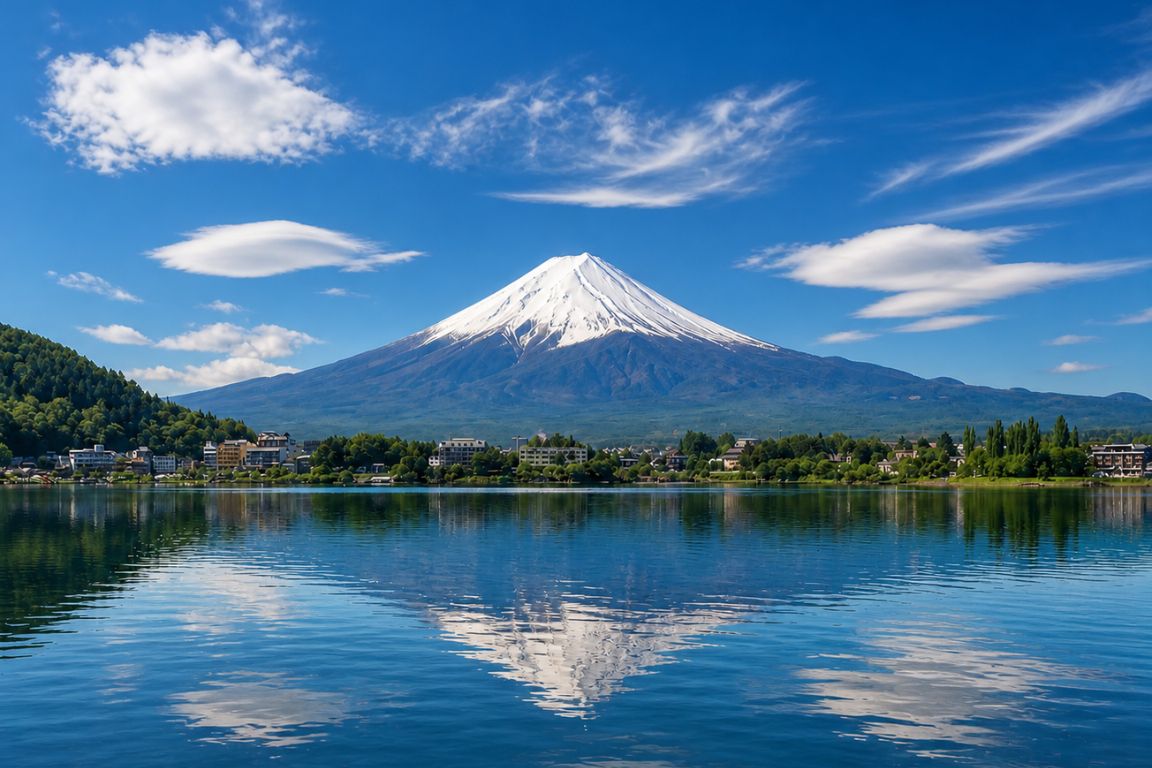 Early morning in winter, from November through February, is the single most reliable window to see Mt. Fuji clearly. Cold, dry continental air from the northwest strips out humidity and haze, and the mountain is fully visible on over 60% of days during this period, with January and February averaging 77 to 79% or higher. Before 9:00 AM on any winter morning at Lake Kawaguchiko, you have better odds of a clear mountain view than on any other combination of season and time of day.
We say this from thirteen years of watching people arrive at the north shore of Lake Kawaguchiko and either stop in their tracks at the sight of it, or stare at grey cloud and turn away disappointed. The first group planned around winter mornings. The second group assumed a sunny Tokyo forecast meant a visible mountain.
These are different things. Mt. Fuji is 3,776 meters high and creates its own weather. It generates thermal activity, draws moisture from the Pacific, and sits in a climate zone entirely separate from the cities 100 km away. A clear Tokyo morning tells you virtually nothing about what the mountain looks like. Even at the base of the mountain in Kawaguchiko, cloud can build from the south slopes in under an hour and the peak can vanish by 10:00 AM on what was a perfect 8:00 AM morning.
The numbers are not close. February 2025 recorded near-perfect conditions on the north side of the mountain, with nearly 100% clear days tracked by visibility monitoring services. The south side the same month hit 79% full visibility. August 2025, by comparison, recorded just 6% clear days on the south side. That is not a marginal seasonal difference. It is the difference between a trip that delivers what you came for and one that doesn’t.
None of this means winter is the only time worth visiting. Every season offers something. But if someone asks us for the single best time to see Mt. Fuji, the answer is early morning between November and February, specifically at the north shore of Lake Kawaguchiko, on a day when the visibility forecast shows 8 or above.
Mount Fuji looks completely different depending on the season and not always in the way most travel photos suggest – our best time to visit Mount Fuji tours guide breaks down what each month actually delivers on the ground.
How Does Each Season Affect Your Chances of Seeing Mount Fuji?
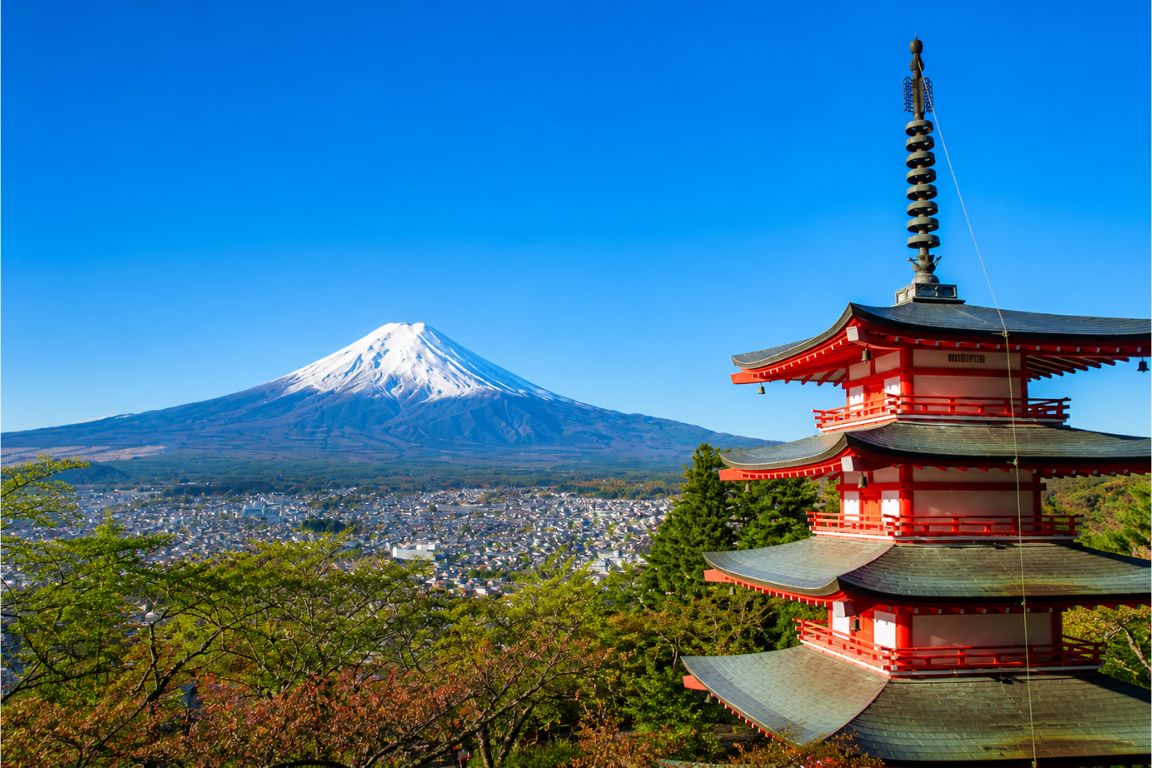 Winter (November to February) is the best season for clear views, with dry continental air producing visibility rates of 60 to 79% or more. Spring (March to May) starts well but deteriorates, from ~50% in March to ~32% by May. Summer (June to August) is the worst season for visibility below the summit, with the rainy season pushing June as low as 7% clear days. Autumn (September to November) is a strong recovery, with November on the north side reaching around 90% clear-weather days and the spectacular bonus of autumn foliage framing the first snow cap.
Winter is the season that surprises visitors most. Most people assume summer is best because the weather is warmest and the climbing season is open. But the mountain is most reliably visible in the cold months. Here’s why: dry continental winds from the northwest push over Japan from November onward, carrying air that has traveled over land rather than ocean. Low humidity means low haze. No moisture in the atmosphere means no cloud formation at mid-slope. The result is a mountain that stands sharp and white against a blue sky that you can actually see clearly, not through a filmy summer haze.
Spring starts with good odds in March, roughly 50% full visibility, and the mountain retains its thick snow cap. April is where the classic cherry blossom photography happens at Chureito Pagoda and the north shore, but visibility drops to around 40% and there’s a specific complication: spring haze from Asian dust particles (PM2.5) can obscure the mountain even on cloudless days. May continues the drop to around 32%, though the green forests and still-present snow cap can produce vivid contrasts on clear mornings.
Summer is the season people most misunderstand. The climbing season runs July to September, so most visitors come in summer. But the mountain from below is at its most hidden: humid Pacific air wraps the peak in cloud frequently and for stretches that can last days. The snow cap disappears entirely by July, leaving what photographers call “Black Fuji,” the dark volcanic rock exposed without snow. It is still Japan’s most famous mountain. But it doesn’t look like it does in every painting and photograph from this side. Climbers who reach the summit often find themselves above the cloud layer, which creates the famous sea-of-clouds view at sunrise. From below, though, the mountain is frequently invisible.
Autumn is the season we recommend most consistently for visitors whose itinerary has flexibility. The transition from September (typhoon season, 30 to 40% visibility) to October (improving sharply, ~61%) to November (north side ~90%) is dramatic. The first snow cap arrives in October, typically in the second week, and the mountain goes from bare volcanic rock to the iconic white cone in a matter of days. November at Kawaguchiko is the one month where you get very high visibility and autumn foliage simultaneously. Red maple trees along the lake’s north shore, snow-capped peak clearly visible, still water reflecting both: it is one of the most beautiful natural combinations in Japan, and it exists for about three weeks per year.
What Time of Day Gives You the Best View of Mount Fuji?
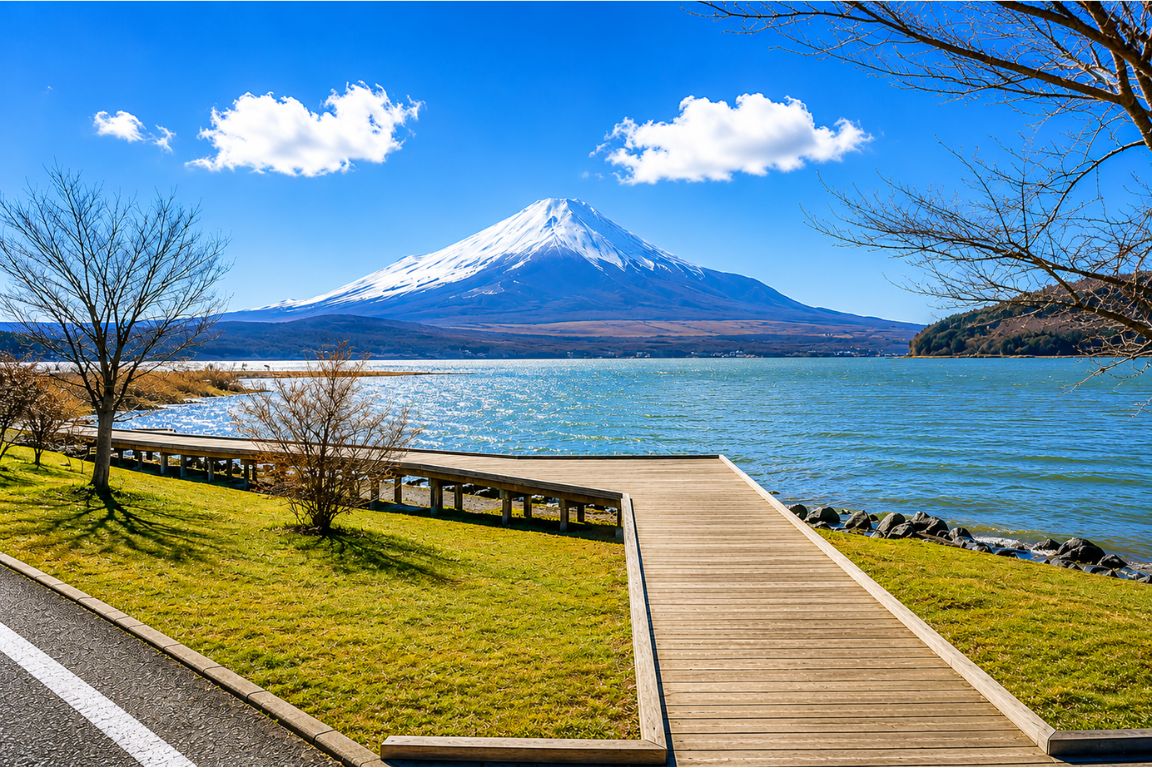 Early morning, specifically between 6:00 AM and 9:00 AM, gives you the highest daily probability of a clear view regardless of season. Visibility scores from dedicated monitoring services average 12 points higher during this window than at noon. The reason is simple: overnight cooling settles the air, overnight wind drops the humidity, and the thermal activity that builds cloud during the day has not yet started. By late morning, onshore breezes begin pushing moisture up the slopes and cloud builds from the mid-mountain upward.
The morning window is not merely a photography tip. It is structural. Mt. Fuji’s height generates thermal convection during the day. Warm air rises from the lower slopes, moisture from the surrounding lakes evaporates, and by 11:00 AM on most days, a “cloud skirt” begins forming at the mid-slope level. By early afternoon, the peak is often only partially visible or hidden entirely. This happens even on days that feel perfectly clear at ground level.
Before sunrise, the mountain at the north shore of Lake Kawaguchiko can be extraordinary. The lake surface is still. The first pale light hits the snow cap before the sun appears above the eastern ridgeline. The peak turns pink, then gold, then white as the light develops. Photographers who arrive at 5:30 AM get the full sequence. Day-trippers who arrive at 10:30 AM may find the same mountain already shrouded.
The midday window between 10:00 AM and 2:00 PM provides the best front-lighting for photography on clear days: the sun is in front of the mountain relative to viewpoints on the north side, which means the peak is brightly lit and the snow cap appears at maximum white against the sky. On days with high winter visibility, the midday view can be excellent. But this window is less reliable than early morning because the cloud-building process has usually started.
Late afternoon and sunset produce what is called “Red Fuji” (Aka-Fuji), when the setting sun turns the volcanic rock and snow cap deep orange and red. This happens most vividly in late summer when the bare rock is exposed, but the low visibility in summer makes it rare. In autumn and winter, sunset can produce a similar effect. The conditions for a true Red Fuji are specific and don’t occur every day. But when they do, it is one of the most memorable moments the mountain offers. Diamond Fuji, the phenomenon where the setting or rising sun aligns exactly with the summit peak, occurs at Lake Yamanaka from mid-October to late February, creating a momentary solar flare at the peak at around 4:00 PM.
Booking a Mount Fuji tour as part of a bigger Japan trip and want to know how demanding the day actually is? Here’s our what to expect on a Mount Fuji tour guide so you plan the days around it accordingly.
Which Month Is Best for Seeing Mount Fuji?
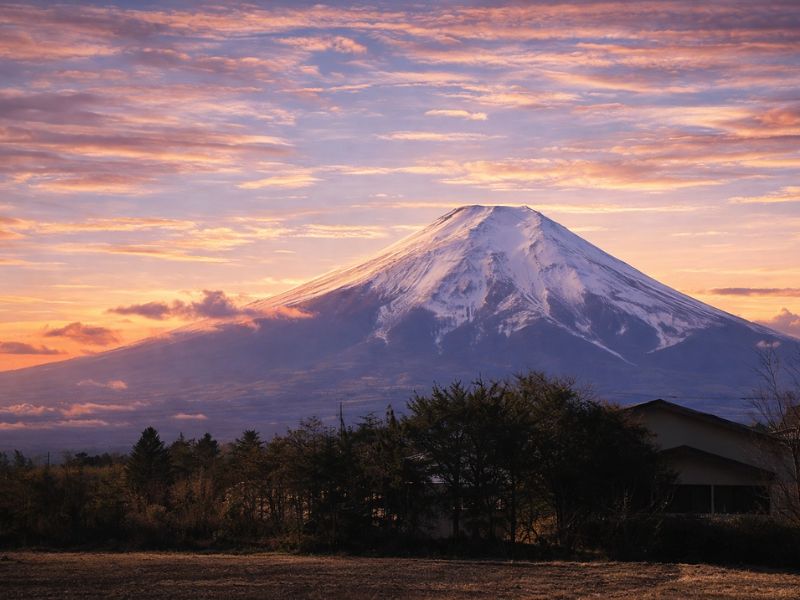
February is the statistically best single month to see Mt. Fuji clearly. In 2025, February recorded near-100% clear days on the north side and 79% full visibility overall, the highest figures tracked. January is very close behind at ~77% full visibility. November and December are also excellent. If you have flexibility to choose one month and your goal is purely a clear view of the mountain, February delivers the highest odds of any month in the calendar.
Here is the full picture by month, based on historical visibility data and 2025 actual tracking:
| January | ~61 to 77% | Yes (full) | Coldest month; driest air; near-empty viewpoints |
| February | ~79%; north side near 100% in 2025 | Yes (full) | Best single month; Diamond Fuji Weeks; winter fireworks |
| March | ~48 to 50% | Yes (thick) | Good mornings; cherry blossoms beginning late month |
| April | ~25 to 40% | Yes (partial by late April) | Peak cherry blossoms; spring haze risk; morning essential |
| May | ~32 to 40% | Thinning | Shibazakura festival; lush greenery; humidity rising |
| June | ~7 to 10% | Melting | Rainy season (tsuyu); worst month for views |
| July | ~10 to 15% | None | Climbing season opens; “Black Fuji” bare rock; humid |
| August | ~6 to 19% | None | Peak crowds; worst visibility; summit above cloud layer |
| September | ~30 to 40% | None until late | Improving; post-typhoon days exceptionally clear; climbing ends Sep 10 |
| October | ~27 to 61% | First snow mid-month | Snow cap returns; early foliage; Diamond Fuji season begins |
| November | ~61 to 90% (north side) | Yes (growing) | Peak autumn foliage; Momiji Corridor; best all-rounder month |
| December | ~61%+ | Yes (full) | Winter clarity begins; illuminations; quiet before peak season |
One nuance worth knowing: October 2025 surprised many visibility trackers with lower-than-expected figures (27% north, 23% south) despite being an autumn month. This was partly due to lingering warm conditions, which also contributed to the record late first snowfall in 2024. Climate variability affects the mountain year to year, which is why checking the specific forecast rather than relying on general seasonal averages remains essential.
How Does Weather Affect Mount Fuji Visibility and What Should You Check?
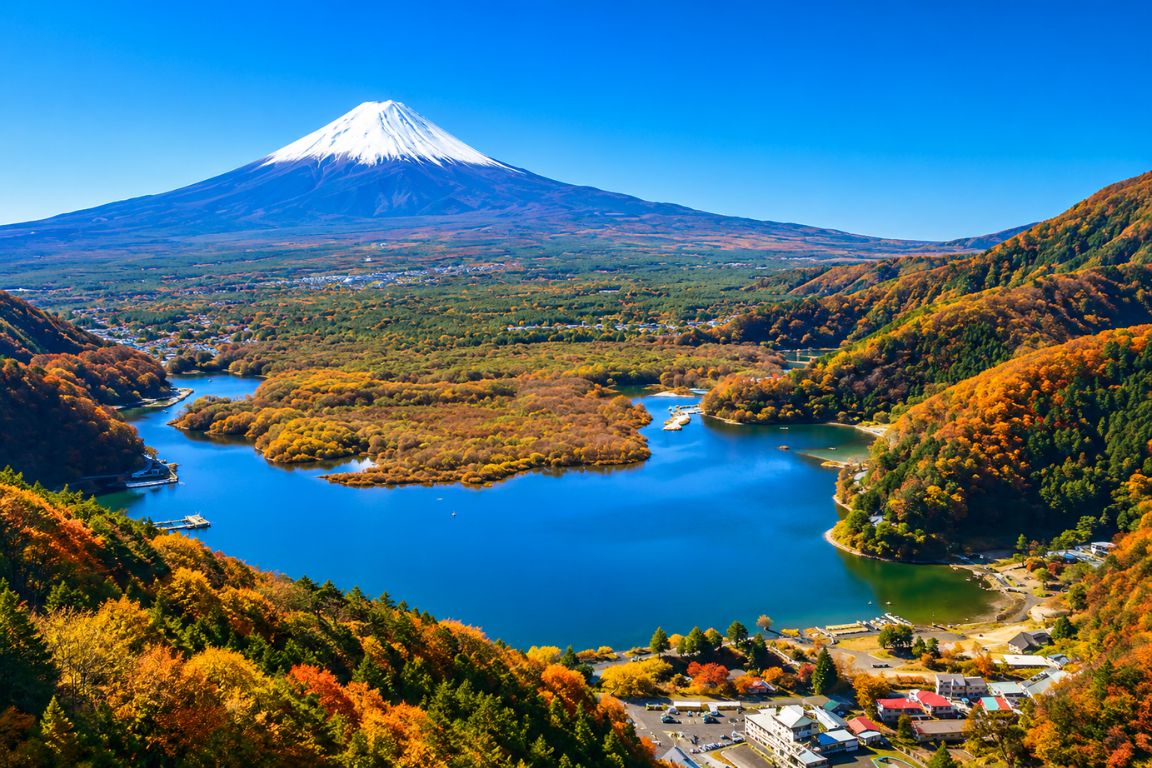 Mt. Fuji’s visibility depends on four conditions simultaneously: cloud cover below 50% at mid and high altitudes, humidity below 60%, atmospheric visibility above 30 km, and northwesterly wind direction (which brings dry continental air). A general Tokyo weather forecast satisfies none of these criteria. Use a Mt. Fuji-specific visibility forecast, check it the evening before your visit, and cross-reference with live camera feeds at the north shore. A sunny general forecast is a starting point, not a guarantee.
The mountain creates its own micro-climate. This is not a poetic statement. It is meteorology. Warm air rising from the surrounding plains creates convection columns that build cloud on the slopes. Moisture from the Pacific, pushed northwest by the prevailing winds, rises and condenses on the southern face. The Five Lakes area on the north side benefits from drier air flowing down from the Japanese Alps, which is why north-side visibility is consistently higher than south-side visibility across every season.
Tokyo can be sunny, Kawaguchiko can be sunny, and the mountain can still be invisible. The cloud forms at altitude, not at lake level. You can be standing at the north shore looking at a blue sky above your head and see nothing where the mountain should be because the cloud layer sits at 2,000 to 2,500 meters, below the summit, wrapping the peak in white. This is extremely common in summer and happens in other seasons too.
The tools that actually tell you something useful:
isfujivisible.com provides an 8-day forecast with a 0 to 10 visibility score that is updated daily, with separate readings for the north side (Kawaguchiko/Yamanakako) and south side (Hakone). A score of 8 to 10 means the mountain is clearly visible. A score of 3 to 5 means partial views. Below 3, the mountain is likely hidden. The site also runs live camera feeds from Oishi Park, Chureito Pagoda, and Lake Yamanakako, among others. Check the evening before your visit to set realistic expectations, and check the cameras again in the morning before you board your bus or train.
fuji-san.info (the official visibility index from the Fuji City meteorological observation team) provides the official visibility index updated around 4:00 PM each day. This is the data behind the “how many days per month was Mt. Fuji visible” statistics cited throughout this article.
Do not rely on: the general Yamanashi Prefecture weather forecast, the Tokyo weather, or how the sky looks from your hotel window in the morning. The only thing that tells you whether Mt. Fuji is visible is a forecast or camera specifically calibrated to the mountain’s altitude and the atmospheric conditions between your viewpoint and the summit.
One pattern experienced guides know: after a typhoon or strong front clears Japan, usually September and October, the air is often washed to exceptional clarity for 24 to 48 hours. Post-typhoon mornings at Kawaguchiko can be among the clearest of the year. If a typhoon passes through and your visit falls in the days immediately after, your visibility odds improve significantly.
Chureito, Kawaguchiko & Oshino: Scheduled Dates
Link Chureito Pagoda, Oishi Park and Oshino Hakkai in one day by coach.
Check Dates For Chureito, Kawaguchiko & OshinoWhat Are the Best Viewpoints for Seeing Mount Fuji at Its Most Dramatic?
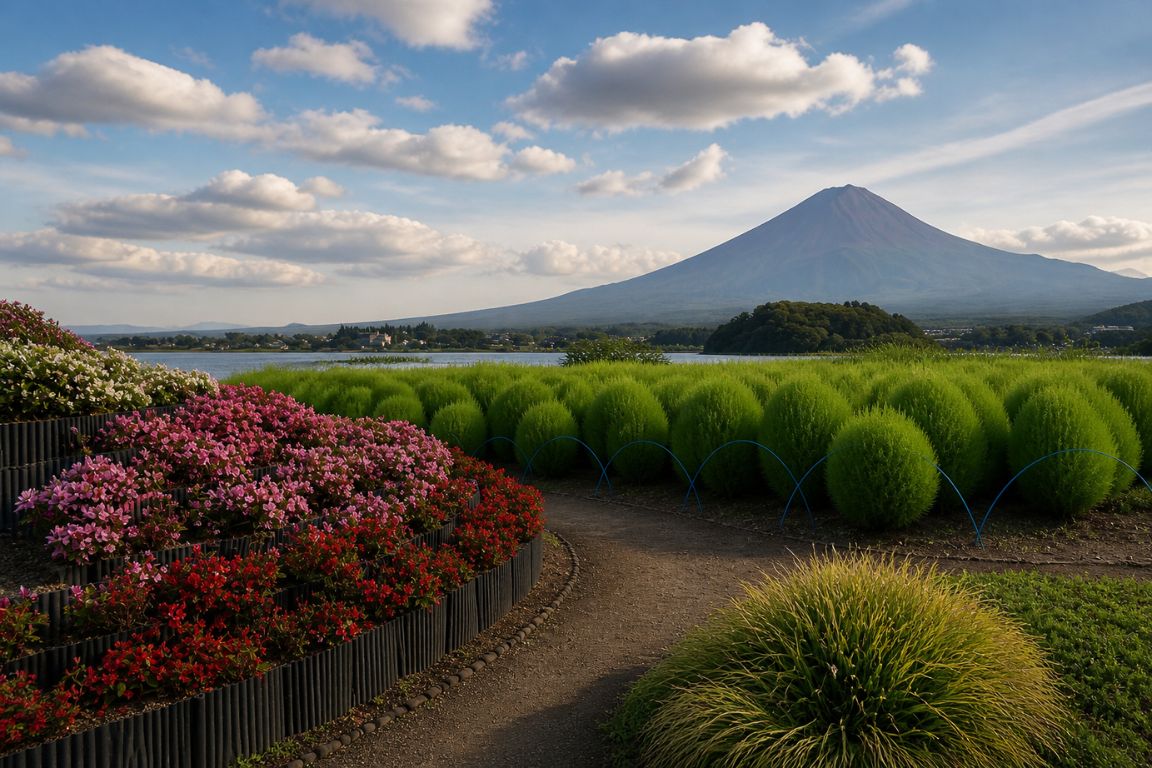 The best viewpoints are: the north shore of Lake Kawaguchiko (for the closest full-profile view and reflection), Chureito Pagoda (the pagoda-framed iconic shot), Oishi Park (for seasonal flower foregrounds), the Kawaguchiko Ropeway (for an elevated aerial view), and Lake Yamanaka’s north shore (for Diamond Fuji in winter). For the clearest possible view with the least obstruction, the north side of the mountain consistently outperforms the south. From Tokyo or the Shinkansen, you can see the mountain from a distance but the south-side view is less reliable.
The north shore of Lake Kawaguchiko is the starting point for any serious Fuji viewing plan. From about 20 to 25 km away, you see the mountain’s full profile without the surrounding ridgelines that partially block it from Hakone. On calm mornings, the lake surface reflects the mountain in a perfectly inverted cone below the original. This “Mirror Fuji” (Sakasa Fuji) is one of the most photographed natural phenomena in Japan and is only achievable when the wind is still before sunrise. The Ubuyagasaki promontory on the north shore and Oishi Park at the western end of the lake are the two anchor points for this shot.
Chureito Pagoda at Arakurayama Sengen Park frames the mountain differently from any other viewpoint. You are elevated above the town, looking across the valley at the mountain’s face with the five-story red pagoda in the foreground. In cherry blossom season, the combination is the most recognizable Japan travel image in the world. The pagoda was built in 1963, not ancient history, but its position is perfect and the view is genuinely worth the 398-step climb. The morning light falls correctly, from behind the viewer, in the first half of the day.
For the north vs. south question: the north side of the mountain (Kawaguchiko, Yamanakako, the Five Lakes area) consistently shows higher visibility than the south side (Hakone, Shizuoka, the coastal cities). This is atmospheric, not accidental. The north side receives drier air flowing off the mountains of central Japan. The south side faces Suruga Bay and the Pacific, which delivers moisture-laden air that generates cloud on the slopes. In our experience, travelers who specifically want to photograph or observe Mt. Fuji should base themselves on the north side whenever possible.
From Tokyo on a clear day, the mountain is visible from elevated observation points including Tokyo Skytree, the Tokyo Metropolitan Government Building, and Tokyo Tower. From the Shinkansen, the right side of the train heading from Tokyo to Osaka shows the mountain between Shin-Yokohama and Shizuoka stations, roughly 40 to 45 minutes after departure. Seat E (window, right side) is the classic recommendation. These views are real on clear days, but the odds are lower than from the base area because of the additional 100 km of atmosphere and haze to see through.
Want to know which spots around Mount Fuji are genuinely unmissable and which ones you can skip without regret? Here’s our Mt. Fuji tours scenic spots explained guide so you use your time wisely.
When Is Mount Fuji Most Photogenic: Snow Cap, Cherry Blossoms, or Autumn Foliage?
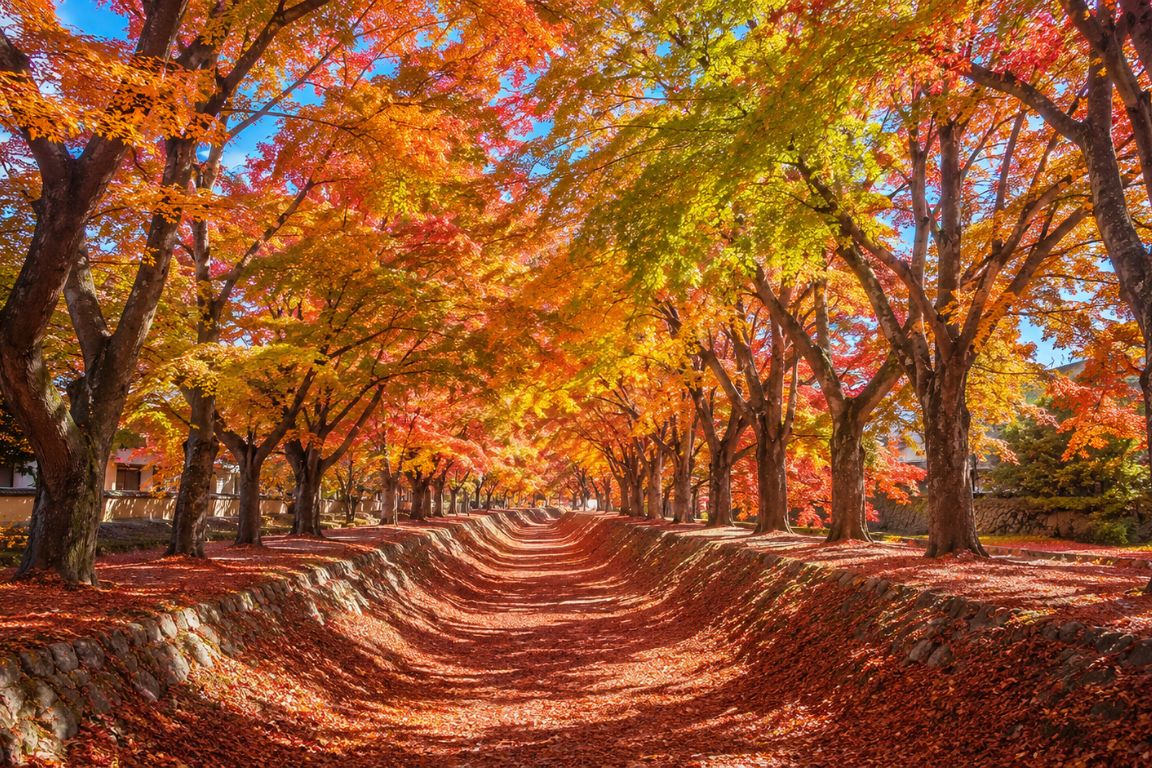 Each combination creates a distinct and irreplaceable image. Cherry blossoms with the pagoda and snow cap (late March to mid-April at Chureito Pagoda) is Japan’s most iconic single photograph. Autumn foliage with the first new snow cap against blue sky (mid-October to mid-November at Kawaguchiko) is arguably the most beautiful and is less understood by international visitors. Winter’s crisp white cone against pure blue sky with a reflection in the still lake (December to February) is the “classic” Fuji image from every painting and woodblock print. All three are worth prioritizing. None of them guarantees a visible mountain; they only set the scene if the weather cooperates.
The cherry blossom window is narrow. At Chureito Pagoda, full bloom typically falls in the first two weeks of April. At the north shore of Lake Kawaguchiko, it is mid-April. The combination of pink sakura, red pagoda, and white snow-capped mountain against a blue morning sky lasts perhaps five to seven days at its peak. Miss it by a week and you have either bare branches or fallen petals. Time it precisely and you have the most photographed Japan image outside of temples in Kyoto. Visibility in April is around 25 to 40%, so morning timing and a checked forecast are essential.
The autumn foliage combination is the one most visitors to Japan don’t plan around specifically, and it is the one we recommend most enthusiastically after years of watching what moves people at the lake. November at Kawaguchiko is a quiet month compared to the summer climbing rush. The Momiji Corridor, a stretch of maples along the north shore road toward Oishi Park, turns deep red and orange in early November. Behind it, the mountain sits freshly snow-capped for the first time since spring. The contrast of warm foliage colors against the cold white peak, reflected in a calm lake on a still morning, is something the summer visitor never sees and the winter visitor arrives after it has passed. November is the window.
Winter’s appeal is fundamentally different from the seasonal foreground combinations. There are no cherry blossoms or foliage. The mountain simply stands in the clearest possible air, white and perfectly symmetrical against blue sky, the way it has appeared in every historical painting for four centuries. This is the image that every painting, woodblock print, and postcard shows. It is uncluttered, architectural, and exactly what the mountain looks like on its best days. For photographers who want the mountain itself rather than the mountain within a seasonal tableau, winter is the season.
The snow cap’s presence is not guaranteed to follow historical patterns. In 2024, the first snow fell on November 6, the latest in 130 years of records, due to Japan’s hottest-ever summer extending into autumn. Climate variability means the snow cap may arrive later and be less stable than in previous decades. The historical expectation, first snow around October 2, should be treated as a guide with increasing year-to-year variability.
Want to swap Tokyo’s streets for lakeside Fuji views without making it an overnight trip? Here’s our Kawaguchi day trip from Tokyo guide so you plan it properly.
If you would like to plan a visit around a specific seasonal view, check dates for the Mt. Fuji Highlight Photo Spots day tour and line them up with the forecast.
Should You Visit in Peak Season or Off-Season to See Mount Fuji Best?
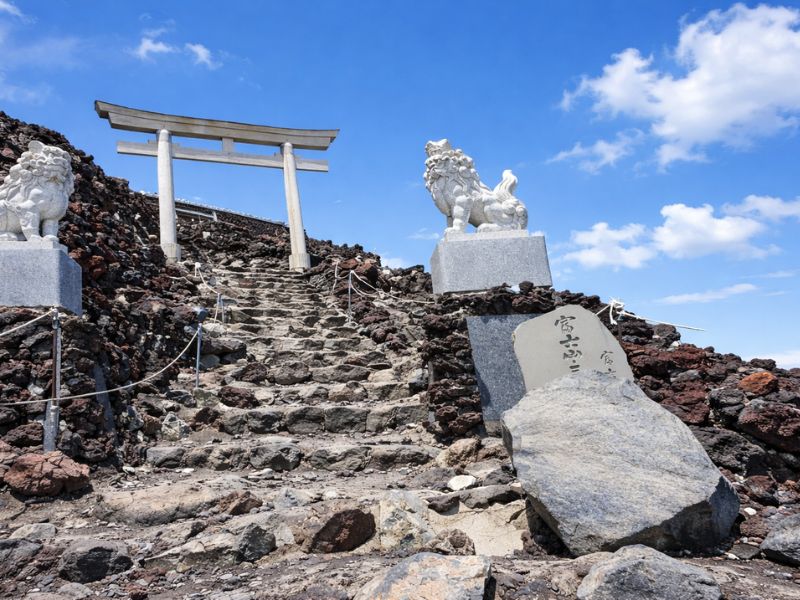
For seeing Mt. Fuji clearly, off-season (November to February for sightseeing, early September for climbing) is better than peak season on almost every measure: higher visibility, smaller crowds, lower accommodation costs, and more flexibility. Peak season (late July to August for climbing, late March to April for cherry blossoms) delivers specific experiences that off-season cannot replicate, but those experiences come with the heaviest crowds, the highest prices, and the lowest visibility rates of the year for sightseeing from below.
The disconnect between when people visit and when the mountain is most visible is one of the defining ironies of the Mt. Fuji tourism calendar. August is the single busiest month for both climbing and sightseeing. It is also, statistically, the worst month of the year to see the mountain from below. Visitors arrive in August because it is Japan’s summer vacation, the climbing season is open, and the weather is warm. All of those things are true. But the mountain from Lake Kawaguchiko on an August afternoon is, more often than not, a white wall of cloud.
For climbers specifically: early September is the optimal window. The rainy season has cleared, crowds drop sharply after Obon and school vacations end, all mountain huts and facilities remain fully operational through September 10, and the weather is often more stable than mid-summer. Mountain hut rates are slightly lower than the August peak. Accommodation near the Five Lakes is available without months-ahead booking. Everything that makes August the peak also makes the first ten days of September its superior replacement for those who have date flexibility.
Wondering which climbing season dates apply, whether altitude sickness is a real concern, and what a guided tour adds beyond just showing you the trail? This can you climb Mount Fuji on a tour guide covers the practical details most first-timers overlook.
For sightseers, November through February is when the mountain looks the way it looks in every image that made you want to see it. The crowds at the viewpoints are a fraction of summer. Accommodation is cheaper and easier to book. The lake is still. The air is clear. The specific experience of standing at the Oishi Park north shore before 8:00 AM in February, watching the sun illuminate the snow cap while the lake reflection sits motionless below it, is available to the visitor who chooses this window. The summer visitor never gets it.
The trade-off is honest: off-season winter is cold. Temperatures at the lake area sit between 2°C and 8°C on average. Early morning at the north shore in January can feel genuinely frigid, especially in wind. The payoff in visibility is substantial. Dress for it, go early, and the mountain will show you what it actually is.
Cherry blossom season, late March to mid-April, is the one exception where peak season delivers a specific and irreplaceable visual combination. The crowds at Chureito Pagoda are real and significant. Arriving before 8:00 AM is essential. But the pagoda-sakura-mountain view is something that only exists in this narrow window, and for visitors for whom that specific image is the goal, no other time comes close.
When Our Clients See Mt. Fuji: Data from Mt. Fuji Tours
| Clients who saw Mt. Fuji clearly on their visit | 48% |
| Clients who arrived before 9:00 AM (vs. later) | 32% early / 68% late |
| Most common month our clients visit | April (38% of visits) |
| Month with highest client satisfaction rate | January (77% reported clear views) |
| Clients who visited in August who reported clear mountain views | 30% |
| Clients who visited in winter (Nov to Feb) who reported clear views | 82% |
| Most cited regret among clients who missed the mountain | Arriving too late in the day (85% of feedback) |
The pattern across 11,500 travelers is consistent: clients who arrive early, in the right season, with a visibility forecast checked the night before, see the mountain significantly more often than those who don’t. There is no luck in this. It is planning and timing, and both are learnable.
Questions about the best time for your specific travel dates? Compare going independently with a guided day in our tour vs DIY guide before you book transport.
Frequently Asked Questions
What is the single best month to see Mt. Fuji?
February is the statistically best month based on historical visibility data and 2025 actual tracking. Full visibility occurred on around 79% of days from the Five Lakes area, with the north side recording near-100% in 2025. January is close behind at approximately 61 to 77%. Both months benefit from cold, dry continental air that strips out haze and cloud at mountain level.
Why is Mt. Fuji often not visible in summer?
Summer brings Japan’s rainy season (tsuyu) in June and July, which drives persistent cloud and rain. Once the rainy season ends, hot and humid air from the Pacific continues to wrap the mountain in cloud on most days. The atmospheric humidity creates haze that blocks the view even without obvious cloud cover. June visibility from below drops to as low as 7% of days with full clear views.
Can you see Mt. Fuji without its snow cap?
Yes. The mountain without its snow cap is called “Black Fuji” (Kuro-Fuji) by locals. The bare volcanic rock is visible from July until the first snow returns in October. It is still recognizable as Mt. Fuji but looks very different from the classic white-capped image. Many visitors find the snow cap essential to the “classic” view. If that matters to you, visit between October and late June.
What time should I arrive at Kawaguchiko to see Mt. Fuji?
Before 9:00 AM, ideally at or before sunrise. Visibility scores are highest between 6:00 AM and 9:00 AM and decline through the morning as thermal activity builds cloud on the slopes. The lake surface is also calmest before sunrise, which is when the reflection shot is achievable. Arriving after 10:30 AM significantly reduces your odds of a clear view.
Is it worth visiting Mt. Fuji in winter if it is cold?
Yes. Winter is when the mountain looks most like the classic image from every painting and print. The cold air (2°C to 8°C around the lakes) is the reason the visibility is so high. Dress properly, go early, and you will almost certainly see the mountain clearly. The tradeoff of cold for clarity is strongly worth it for anyone who specifically came to see Mt. Fuji.
What should I check to know if Mt. Fuji will be visible on my visit?
Check isfujivisible.com the evening before your visit. It provides an 8-day visibility forecast with separate readings for the north side (Kawaguchiko) and south side (Hakone), updated daily. It also runs live camera feeds. A score of 8 to 10 indicates a very clear day; below 5 means the mountain is likely hidden. Do not rely on general Tokyo or Yamanashi weather forecasts, which do not reflect mountain-specific atmospheric conditions. Timing matters more than position, which is the real lesson of the barrier story we unpick in the convenience-store view.
Want help timing your visit around visibility patterns for your specific travel dates? Check morning departures on the Mt. Fuji 6 Attractions tour from Tokyo against your window before you book.
Written by Akira Nakamura
Japanese tour guide since 2012 · Founder, Mt. Fuji Tours
Akira has guided over 11,500 travelers up Mt. Fuji and through the Fuji Five Lakes region since founding the agency.