Mount Fuji Tour Comparison
Mt. Fuji tours split into sightseeing and climbing. Compare prices, what’s included, and how to choose the right option for your trip.
Last updated: May 12, 2026
Start by separating sightseeing from a summit climb. The specific products below make their transport, route, hut and extra-cost differences explicit.
Booking Summary: Compare a private Tokyo day, a shared lakes-and-pagoda coach and a two-day English-guided Fuji climb. Each serves a different goal; the climb has seasonal, age and health restrictions.
Scroll to the end for the complete comparison and provider booking links. Interactive matching requires JavaScript.
Quick Facts: Mt. Fuji Tour Types at a Glance
| Shared day sightseeing tour | 10 to 12 hours | ¥8,000 to ¥15,000 | Budget travelers, solo visitors, first-timers |
| Private day sightseeing tour | 10 to 12 hours | ¥30,000 to ¥65,000 per group | Families, couples, custom itineraries |
| Group summit climbing tour | 2 days / 1 night | ¥25,000 to ¥40,000 | First-time climbers, solo travelers |
| Private summit climbing tour | 2 days / 1 night | ¥60,000 to ¥120,000+ per group | Couples, small families, specific pacing needs |
| 5th Station only / half-day | 5 to 7 hours | ¥6,000 to ¥12,000 | Less active visitors, families with young kids |
| Mt. Fuji + Hakone combo | 1 full day | ¥9,000 to ¥20,000 | First-time Japan visitors, efficiency seekers |
| DIY self-guided (transport only) | Flexible | ¥5,000 to ¥10,000 | Experienced independent travelers |
Prices verified May 2026. Climbing fee of ¥4,000 per person is not included in most tour prices and must be paid separately at the trailhead.
What Types of Mount Fuji Tours Are There and Which Is Right for You?
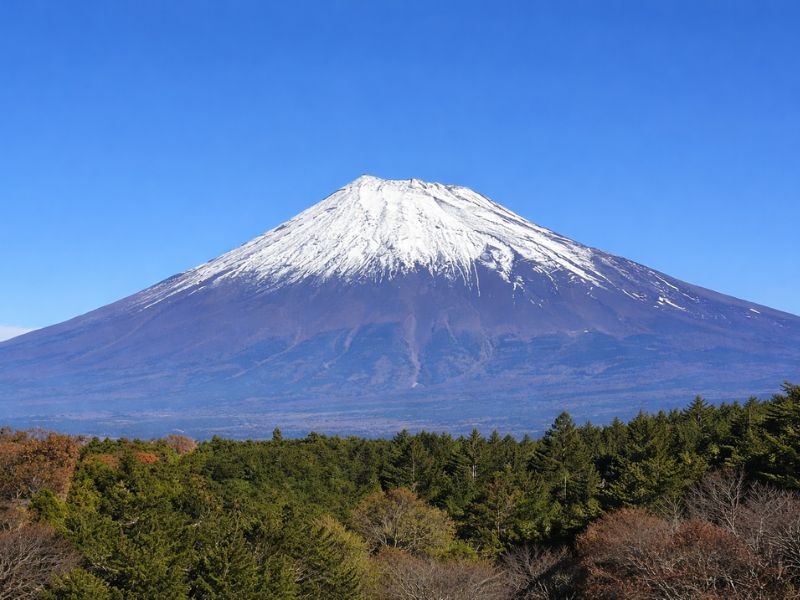
Mt. Fuji tours fall into two categories: sightseeing tours that explore the lakes, viewpoints, and base area, and climbing tours that take you to the summit. Within each, you choose between shared group tours (cheaper, fixed itinerary) and private tours (flexible, higher cost per person, better for families or specific pacing needs). The right tour comes down to three questions: Do you want to climb the summit? Are you traveling with others who have different needs? And how much of Japan’s most iconic region do you actually want to understand, not just pass through?
The tour market around Mt. Fuji is crowded, and a lot of what’s available looks similar from the outside. Bus from Shinjuku, stop at the lake, photo at Chureito, back to Tokyo by evening. That works fine for some people. For others, it produces a day that felt rushed, a mountain they never got close to, and a feeling that they got the tourist version of something that deserved more.
We’ve been running tours here since 2012, across 11,500 travelers. The ones who leave most satisfied are the ones who were honest with themselves about what they actually wanted before booking. The sections below break down each tour type with specific comparisons across price, what’s included, who it suits, and what you’d be giving up.
The train and bus to Mount Fuji differ more than just the route – our train vs bus to Mount Fuji guide breaks down the real differences in cost, journey time, flexibility, and where each one actually drops you off.
What Is the Difference Between a Guided Climb and a Self-Guided Climb?
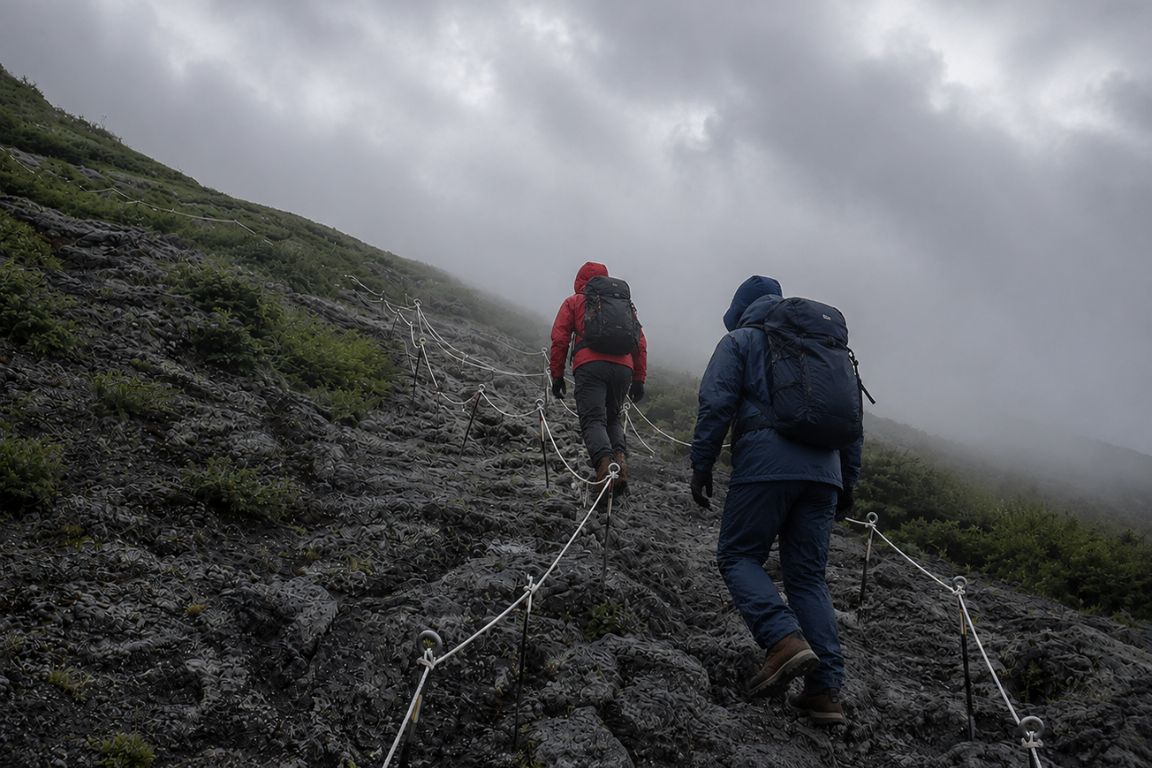 A self-guided climb is technically possible and legal. The Yoshida Trail is well-marked with clear signage, and thousands of people complete it independently every season. A guided climb adds pacing management, altitude sickness monitoring, emergency protocols, hut reservation handling, pre-registration logistics, and someone who has done this dozens or hundreds of times. The difference is not whether you can reach the summit without a guide. It’s the summit success rate and how you feel when you get there.
The overall summit success rate on Mt. Fuji during the official climbing season runs around 70 to 80% for all climbers. Guided operators who use slow-paced, two-day overnight itineraries consistently report rates above 90%. The gap exists for a specific reason: altitude sickness. About 30% of all Fuji climbers experience mild symptoms, and a meaningful number turn back because of it. Altitude sickness is not about fitness. A marathon runner can get it faster than a casual hiker if they ascend too quickly. Experienced guides read the early signs, adjust pace before symptoms worsen, and make the call to descend before a situation becomes dangerous.
Self-guided climbing suits people who have done significant high-altitude hiking before, are comfortable with Japanese-language registration systems, have already secured mountain hut reservations well in advance, and understand the new gate closure rules. It also saves real money. The trail fee is ¥4,000 either way. Everything else, transport, hut, gear, is a decision you make and pay for separately.
What self-guided climbers consistently underestimate: the new pre-registration systems for all four trails, the mountain hut booking window (popular huts sell out in days when reservations open in spring), the Yoshida Trail gate closure at 2:00 PM, and the pace discipline required to avoid altitude sickness. None of these is impossible to navigate alone. Together, they add up to a logistics layer that can derail the climb before you even start.
Want an honest comparison between going with a guide and doing the Fuji trip on your own terms? Here’s our Mount Fuji tour vs DIY guide so you pick the option that fits your travel style.
| Trail navigation | Signs are clear, manageable | Handled completely |
| Pre-registration (2026) | You handle it (20 to 30 min online) | Tour operator handles it |
| Mountain hut booking | You book (often in Japanese, sells out fast) | Included in package |
| Altitude sickness management | Your responsibility | Guide monitors and adjusts pace |
| Emergency protocols | First-aid stations on trail only | Guide coordinates with rescue services |
| Pacing | Self-managed (most people go too fast) | Controlled slow pace that improves summit rate |
| Climbing fee (¥4,000) | Paid at gate (cash only) | Often excluded, check your tour’s terms |
| Summit success rate | ~70 to 80% overall | 90%+ with slow-pace guided operators |
| Total cost (approx.) | ¥15,000 to ¥25,000 (transport + hut + fee) | ¥25,000 to ¥60,000+ all-in |
How Do Day Tours from Tokyo to Mount Fuji Compare?
 A standard shared day tour from Tokyo to the Fuji area covers the lake viewpoints, Chureito Pagoda, Oshino Hakkai, and sometimes the 5th Station. These run ¥8,000 to ¥15,000 per person with transport included. Private day tours covering the same ground cost ¥30,000 to ¥65,000 per group of up to 4 people, but give you schedule flexibility, more time at each stop, and the ability to respond to weather in real time. A day trip from Tokyo takes 10 to 12 hours total.
The shared bus tour is the most common format. You join 20 to 40 other travelers on a coach from Shinjuku, hit three to five stops on a fixed schedule, and return by early evening. It’s efficient, cheap, and the logistics are handled. The tradeoff is time. Each stop gets 30 to 60 minutes. If you arrive at Chureito and it’s cloudy, you move on. If the mountain is hidden and you want to wait for a clearing, the group can’t accommodate that.
Private day tours add flexibility that genuinely matters at Mt. Fuji. The mountain is visible roughly 80 to 100 days per year. On a partially cloudy day, the window might open for 20 minutes at the north shore and be gone. A private driver and guide can position you at the right viewpoint at the right moment instead of following a coach schedule. For photographers, for families who want to linger somewhere, or for anyone who wants a day that feels curated rather than assembled, private is the better choice. Split four ways, a private group tour from a local operator starting at Kawaguchiko (after taking the train from Tokyo independently) costs significantly less than a full private day tour departing from Shinjuku.
The Mt. Fuji + Hakone combo tours are popular for first-time Japan visitors who want maximum coverage in a single day. You get Fuji views, the Hakone Ropeway over volcanic terrain, and a cruise on Lake Ashi. These tours run ¥9,000 to ¥20,000 per person. The tradeoff is depth. Both Fuji and Hakone are experiences that benefit from more time, and a single day splits your attention between them. If you have two days, one for each is better. If you only have one, the combo still gives you a credible encounter with both.
Want to fit Hakone into your Tokyo itinerary without losing more of the day to travel than you need to? Here’s our Hakone day trip from Tokyo guide so you use your time wisely.
| Shared bus tour (Shinjuku departure) | ¥8,000 to ¥15,000 | 20 to 40 people | Fixed itinerary | Solo travelers, budget visitors |
| Private full-day tour (Shinjuku departure) | ¥30,000 to ¥65,000 per group | 1 to 4 people | Fully customizable | Families, couples, photographers |
| Local private tour (Kawaguchiko-based) | ¥20,000 to ¥40,000 per group | 1 to 4 people | High, local knowledge | Best value for private; combine with train from Tokyo |
| Mt. Fuji + Hakone combo | ¥9,000 to ¥20,000 | 10 to 30 people | Fixed itinerary | First-time Japan visitors, one day only |
| DIY (train + local buses) | ¥5,000 to ¥10,000 | Solo or group | Maximum flexibility | Experienced independent travelers, Japanese speakers |
What Do Summit Climbing Tours Include and What Do They Cost?
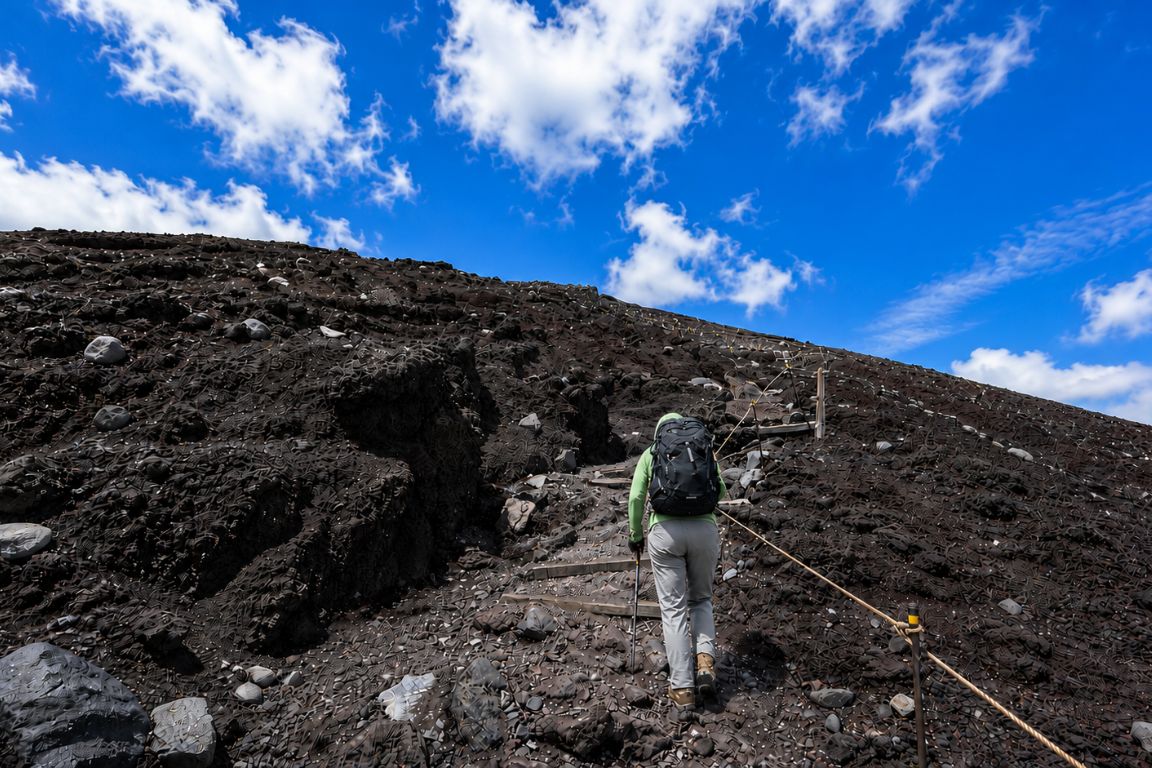 A standard two-day group summit climbing tour includes round-trip bus transport from Shinjuku, shared mountain hut accommodation with dinner and breakfast, an English-speaking guide, and sometimes gear rental. Total prices run ¥25,000 to ¥40,000 per person before the ¥4,000 climbing fee. Premium packages from specialist operators add private transport, smaller guide-to-climber ratios, full gear rental, and pre-climb preparation sessions. These run ¥45,000 to over ¥100,000 per person for private tours.
The baseline group climbing tour sold by large operators like Willer Travel and Tokyo Gaijins covers the core logistics: you get to the mountain, you sleep in a hut, you attempt the summit with a guide and other travelers. Gear rental is usually available as an add-on at ¥11,000 to ¥16,000 for a full set. The ¥4,000 trail fee is almost universally excluded and must be paid in cash at the gate. An onsen stop on the way back is typically included.
What varies between operators at the same price tier is guide-to-climber ratio and pacing philosophy. Some tours run one guide per 10 climbers. Specialist operators, including our own team at Mt. Fuji Tours, run tighter ratios with experienced certified guides who have climbed the mountain dozens or hundreds of times. That difference is invisible on the booking page and entirely visible on the trail above 3,000 meters.
The all-in cost for a two-day group summit climb from Tokyo comes to roughly ¥30,000 to ¥45,000 per person when you add the climbing fee, any gear rental, food on the mountain, and transport. That’s the honest number, not the headline price. For a private climb for two people through a specialist operator, the combined cost is typically ¥80,000 to ¥130,000 for the pair, including everything except the ¥4,000 each trail fee.
Mountain hut accommodation is shared-dorm style: rows of sleeping spaces separated by thin partitions, two meals included, no running water, pay-per-use toilets at ¥200 per visit. Huts at the 8th station run ¥7,000 to ¥10,000 per person with meals, ¥5,000 to ¥6,000 without. Prices at higher-altitude huts are higher. Peak-season weekends add a surcharge on some properties. Book through your tour operator or directly through the huts. The most popular 8th station huts sell out within days of reservations opening in spring.
Questions about what’s actually included in a guided summit package? Check the two-day climb with a professional guide for current inclusions. We’ve been running summit tours since 2012 and the details are important.
Climbing Fuji with a guide is a very different experience from doing it solo – our can you climb Mount Fuji on a tour guide breaks down what a guided ascent actually involves and whether the support is worth the extra cost.
How Do Private Tours Compare to Group Tours at Mount Fuji?
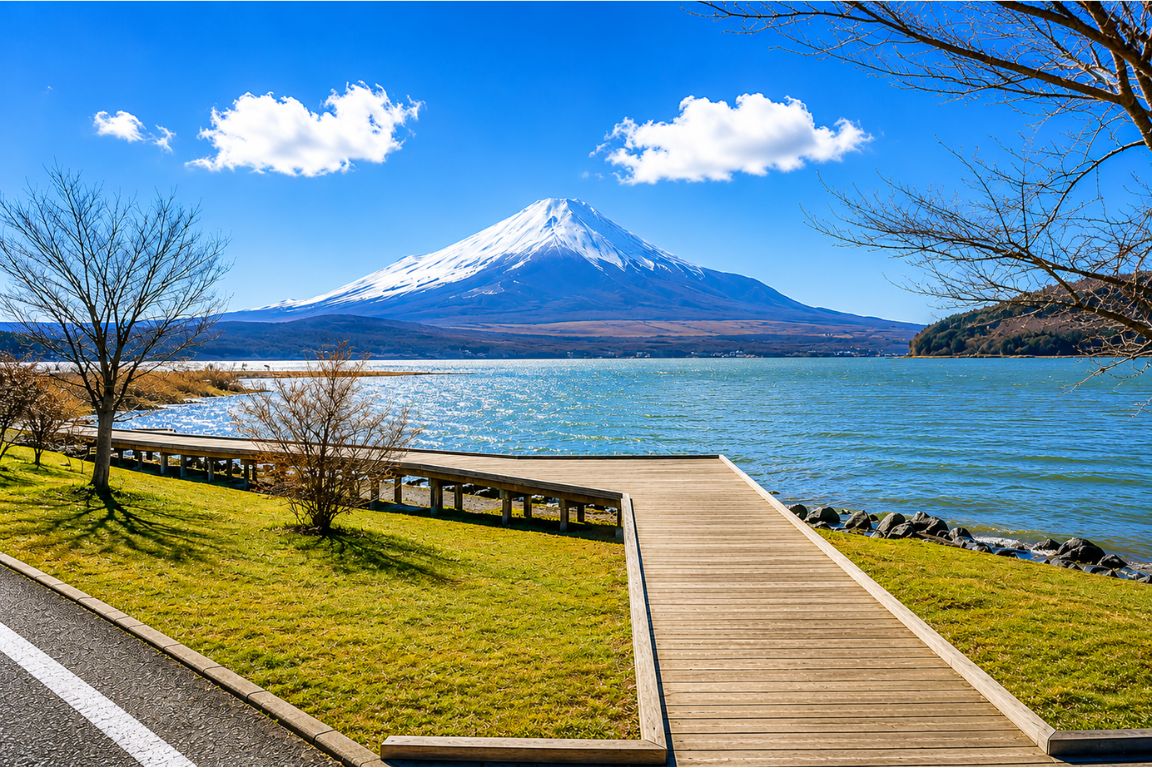 Group tours cost less per person and suit solo travelers and those who don’t mind a fixed schedule. Private tours cost more but give you full flexibility over pace, stops, and timing, which matters significantly at Mt. Fuji where weather windows open and close fast. For sightseeing tours, the private advantage is route adaptability. For climbing tours, the private advantage is personalized pacing and a guide whose only job is managing your specific group’s altitude acclimatization.
The gap that actually matters on a sightseeing day: weather response. A shared tour bus is committed to an itinerary and a schedule. If the mountain is cloud-covered at the north shore at 10:00 AM but often clears by early afternoon, a private guide can hold you there, shift the order of stops, or take you to a secondary viewpoint with better odds in that moment. We’ve redirected private groups to Lake Yamanaka or Oshino Hakkai while the cloud sat over Kawaguchiko, then looped back when the view opened. A coach of 30 people can’t do that.
For families specifically, private tours address something group tours structurally cannot: everyone moves at the same pace regardless of who’s in the group. With young children or elderly travelers, that becomes the entire experience. A private driver who waits while a grandmother takes the stairs slowly, or holds the van while a four-year-old watches ducks at the lake, changes the feel of the day entirely. The total price for a private group of four is often comparable to four individual group tour tickets, once you factor in the logistics.
For climbing, the private versus group distinction is most significant in two areas. First, guide attention. A guide managing eight climbers cannot monitor each person for altitude sickness symptoms the way a guide with two can. Second, pace. Group tours set a single pace for all participants. A private climb can go slower for whoever needs it, without the social awkwardness of asking a group of strangers to wait.
Solo travelers almost always get better value from group climbing tours. The social element of the climb, the shared experience of the summit at dawn, is part of what makes it memorable. Joining an organized group of international travelers does not diminish that. It often adds to it.
Wondering whether the direct highway bus or a guided tour from Tokyo gets you more out of a Kawaguchiko day trip? This Kawaguchi day trip from Tokyo guide covers the transport and timing details most Japan travel blogs skip over.
Private Fuji Or Hakone Day: Scheduled Dates
Choose one Fuji-lakes or Fuji-Hakone route with private transport and an English-speaking driver-guide.
Check Dates For Private Fuji Or Hakone DayWhat Are the Best Mount Fuji Tours for Families and Less Active Visitors?
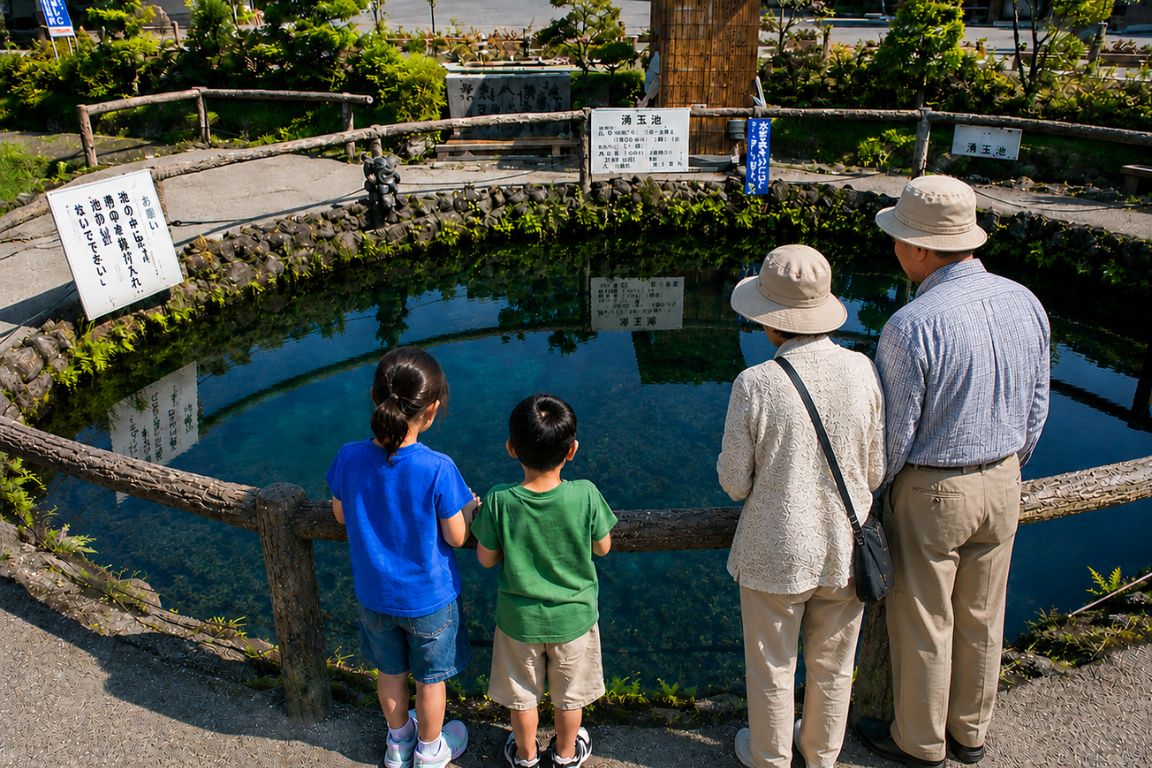 For families with young children or travelers who don’t want a strenuous day, the best Mt. Fuji tours focus on the lake area, the Ropeway, and the 5th Station visit rather than the summit. The Kawaguchiko Ropeway, lake boat tours, and the 5th Station itself are all accessible without significant physical effort. Private tours work best for families because they allow flexible stops, slower pacing, and itineraries that mix scenery with activities children actually engage with.
The summit is not for everyone, and the Fuji area does not require it. Most of the mountain’s most powerful visual moments happen from below. The north shore of Lake Kawaguchiko on a winter morning, the Chureito Pagoda in cherry blossom season, the Ropeway view from 1,075 meters above the lake, all of these are accessible without hiking boots or altitude preparation. Families who build their day around these viewpoints often leave more satisfied than people who pushed to the 5th Station hoping for a view and found cloud.
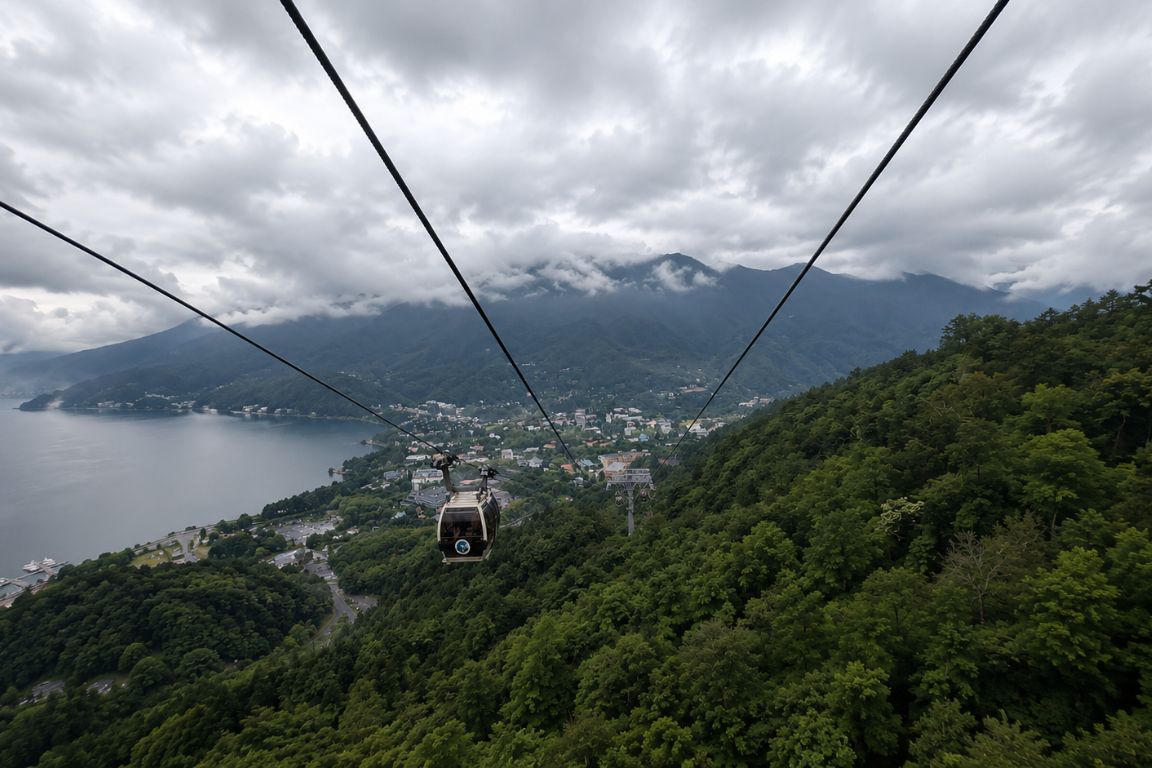
For families with children under 12, the Kawaguchiko Ropeway is worth building the day around. The cable car from the east shore takes about 3 minutes to reach the observation deck, which delivers one of the most unobstructed panoramic views of the mountain from below. The post-2025 renovation added a suspended deck that extends over the cliff edge. Ropeway tickets run ¥1,000 return (prices verified May 2026). A combined boat and ropeway ticket is available at ¥1,700 for adults.
The 5th Station visit works well for families who want to say they stepped onto the mountain without the full climb commitment. At 2,300 meters, there’s a temperature shift visitors can feel, views out over the cloud layer below on good days, and a sense of the mountain’s scale that the lake viewpoints can’t quite replicate. During climbing season the 5th Station is accessed by shuttle bus from designated parking areas (private cars are restricted). Outside climbing season, the access road to Fuji Subaru Line 5th Station is closed to vehicles entirely, typically from mid-November through spring.
For travelers with mobility limitations or older visitors, private tours that focus entirely on accessible lake viewpoints, Oshino Hakkai, and the north shore are the right call. These require minimal walking and deliver excellent views on clear days. Some tour operators specialize specifically in comfortable small-vehicle tours of this type.
We’ve put together a full accessibility breakdown in our Mount Fuji tours for seniors guide so you know exactly which experiences are comfortable, scenic, and worth the journey from Tokyo.
How Do Mount Fuji Tours Compare by Season?
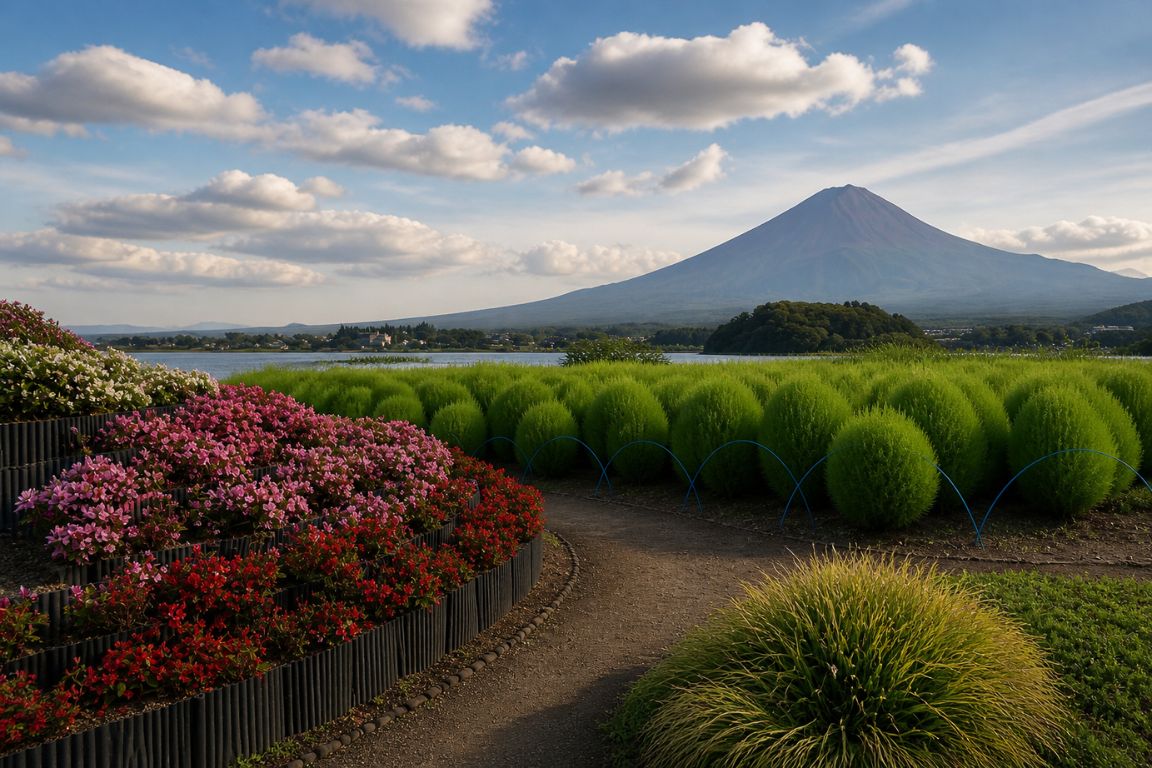 Tour options change significantly by season. In summer (July to September), all tour types are available including summit climbs. In spring, tours focus on cherry blossom viewpoints around the lakes. Autumn tours emphasize foliage and photography. Winter tours offer the clearest mountain views but fewer activities and some 5th Station access restrictions. The climbing season controls what’s possible, but every season has a tour format that makes sense for it.
Summer is when the full menu is available. Sightseeing day tours, group and private climbing tours, 5th Station tours, and Hakone combos all run between July and September. It’s also the most crowded time at every level, the most expensive for accommodation, and the season with the worst visibility from the lake viewpoints. The mountain you see clearly in February looks very different from below in August.
Spring’s cherry blossom window, late March to mid-April, is the most photogenic period and the busiest for non-climbing sightseeing. Tour operators run specific cherry blossom itineraries centered on Chureito Pagoda, the north shore, and the Fujiyoshida area. These sell out fast. Book weeks ahead for peak sakura days in April. The mountain still holds its snow cap, visibility in the morning is decent, and the classic Fuji-sakura-pagoda image is achievable, though weather cooperation is never guaranteed.
Autumn is the season we recommend most consistently for sightseeing tours. Foliage around the lake area peaks in early to mid-November. The mountain gets its first snow cap in October. Visibility improves sharply from September onward. Crowds are a fraction of summer. Private day tours in autumn can position you at the Momiji Corridor or the Oishi Park north shore at the hour when the light hits the red maple trees and the mountain sits white behind them. That combination, available for maybe three weeks per year, is the kind of image that people come back to Japan specifically to take.
Winter sightseeing tours (December through February) offer the clearest mountain views of the year but require accepting cold temperatures and reduced activity options. The 5th Station access road is closed in winter, so climbing tours are not available and sightseeing is focused entirely on the lake area. That narrows the scope, but for photographers who have done their research, winter tours built around early morning north shore views are precisely targeted and highly effective.
Trying to figure out which season gives you the best combination of visibility, weather, and manageable tourist numbers? Check out our best time to visit Mount Fuji tours guide before you lock in your dates.
| Spring (Mar-May) | Sightseeing, viewpoints, no climbing | Good mornings (25 to 50%) | High (sakura) | Private for Chureito timing flexibility |
| Summer (Jul-Sep) | All types including summit climbing | Poor from below (<20%) | Peak | Group climbing tours; weekday only |
| Autumn (Oct-Nov) | Sightseeing, no climbing | Very good (60 to 90%) | Moderate | Private tours for foliage + mountain views |
| Winter (Dec-Feb) | Lake area sightseeing only | Best of year (60 to 79%+) | Low | Small private or photography-focused tours |
What Should You Look for When Booking a Mount Fuji Tour?
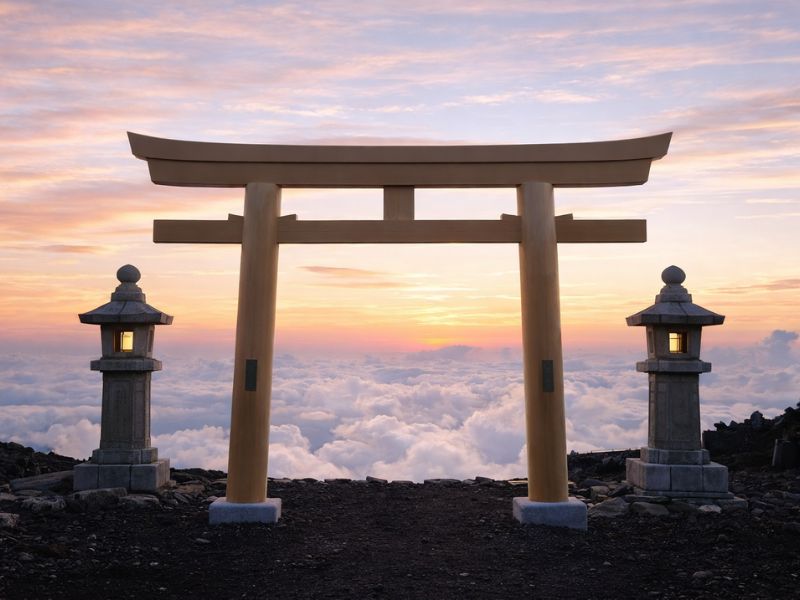
The most important factors for a sightseeing tour: does the guide have flexibility to respond to weather, and what happens if the mountain is not visible? For a climbing tour: what is the guide-to-climber ratio, how is altitude sickness handled, is the mountain hut reservation confirmed at booking, and is the ¥4,000 climbing fee included or separate? Price is a secondary consideration for the summit climb. The difference between a ¥25,000 tour and a ¥40,000 tour is often the guide experience and the group size.
Weather response is the thing most day tour buyers forget to ask about. A surprising number of operators have no protocol for a cloudy mountain. They run the route regardless, you get photos of cloud where the mountain should be, and that’s the experience. Better operators build alternative viewpoints into the itinerary, monitor conditions in real time, and structure the day around your best chance at a clear view rather than a predetermined script.
For climbing tours, the questions that actually matter before booking: how many climbers per guide, what is the pace philosophy, what happens if someone gets altitude sickness and can’t continue, is mountain hut reservation confirmed at the time of booking, and what is the actual all-in cost including the trail fee. Operators who are vague on any of these are ones to approach carefully.
Guide language matters more than people realize. English-speaking guides who have climbed the mountain many times are a different experience from multilingual tours where the guide’s primary language is Japanese and translation is secondary. For first-time climbers working through altitude stress at 3,500 meters, clear communication about pace, symptoms, and decisions is not optional.
Mount Fuji is visible far less often than the postcard version suggests – our best time to see Mount Fuji tours guide breaks down the months when clear sightings are most consistent and what affects visibility beyond just the season.
What Our Clients Book: Tour Preference Data from Mt. Fuji Tours
| Clients who chose private tour over group tour | 45% |
| Summit success rate in our guided groups | 85% |
| Most common reason for not reaching summit | Altitude sickness (75% of those who turned back) |
| Clients who added gear rental to climbing tours | 68% |
| Travelers who booked sightseeing tour in summer (vs. other seasons) | 25% summer, 75% autumn/winter |
| First-time Fuji visitors who chose guided over DIY | 92% |
| Families with children under 12 who did summit vs. lake-area tours | 88% lake area, 12% attempted summit |
The pattern across our groups: first-timers consistently overestimate how manageable the climb logistics are and underestimate how much altitude affects pace. The travelers who had the best experience are the ones who arrived with realistic expectations and let the guide do the job they were hired for.
If you’d rather hand the decision to someone who’s run both types of tours across 11,500 travelers, compare a shared sightseeing day with a tour vs DIY breakdown before you book.
Frequently Asked Questions
Is a guided tour worth it for climbing Mt. Fuji?
For first-time climbers, yes. The guide’s value is not trail navigation, which is straightforward, but pacing management for altitude, hut booking logistics, pre-registration handling, and emergency decision-making. Tours with experienced certified guides and slow-paced overnight itineraries consistently achieve summit success rates above 90%, compared to the 70 to 80% average for all climbers.
What is the cheapest way to visit Mt. Fuji from Tokyo?
The cheapest route is the highway bus from Shinjuku to Kawaguchiko at around ¥1,750 one way, plus the ¥1,700 two-day sightseeing bus pass for the lake area. Total for the transport itself runs around ¥5,500 to ¥6,000 round trip. Joining a shared day tour from ¥8,000 covers transport and a guide but gives you less flexibility. DIY is cheapest if you’re comfortable navigating Japanese transport independently.
Does the ¥4,000 climbing fee get included in tour prices?
Almost never. The ¥4,000 mandatory trail fee (prices verified May 2026) is typically paid in cash by each climber at the 5th Station gate, separate from the tour price. Check your tour terms before booking. Some premium packages include it, but most do not. Bring cash specifically for this.
What is the difference between a small group tour and a private tour at Mt. Fuji?
Small group tours (typically 6 to 20 people) are shared with other travelers, run on fixed schedules, and cost less per person. Private tours are just your group with a dedicated guide, cost more but allow full flexibility on pace and stops, and are better for families, people with specific physical needs, and photographers who need to respond to conditions in real time.
Can families with young children do a Mt. Fuji tour?
Yes, and it’s genuinely enjoyable without the summit climb. Tours focused on the lake area, Oshino Hakkai, the Kawaguchiko Ropeway, and seasonal viewpoints work well for families with children of any age. Private tours are strongly recommended so the group can move at its own pace. The summit climb is not appropriate for children under 6, and the trail is demanding even for older children and teens.
Is the Mt. Fuji plus Hakone combo tour worth doing?
It’s worth it if your Japan itinerary genuinely only allows one day for both. You get a credible encounter with Mt. Fuji’s base area and Hakone’s volcanic landscape, including the Ropeway and Lake Ashi, in a single long day. The limitation is time at each stop. If you have two days, one dedicated to each area gives you a significantly better experience of both.
Not sure which tour format fits your group and goals? Akira and the team answer these questions every day. Start here. We’ve guided 11,500 travelers across every tour type and season since 2012, and the right fit depends on details that only come out in conversation.
Written by Akira Nakamura
Japanese tour guide since 2012 · Founder, Mt. Fuji Tours
Akira has guided over 11,500 travelers up Mt. Fuji and through the Fuji Five Lakes region since founding the agency.