Is Hakone a Tourist Trap?
The complaint is specific and it is not unfair: queues, a plastic pirate ship, eggs boiled in sulphur, and a mountain that often refuses to appear. Here is the case on both sides, with the current numbers.
The question comes up so often that it has become a search term in its own right, which is a decent sign that a lot of people arrive in Hakone with an uneasy feeling and leave with an opinion. Both camps are working from real experiences.
The worthwhile paid choice is the route and transport you want someone else to arrange. A private Hakone day and a fixed coach itinerary solve different problems.
Booking Summary: Keep the overnight and DIY options above in view. Choose a private vehicle for route flexibility, a coach-and-train package for a fixed circuit, or Kawaguchiko when Fuji viewpoints are the priority.
Scroll to the end for the complete comparison and provider booking links. Interactive matching requires JavaScript.
Is Hakone a tourist trap?
Not exactly, but it is very easy to have the tourist-trap version of Hakone. The standard day-trip loop is a conveyor belt of transfers built for volume, and if you run it on a Saturday chasing a photograph of Mount Fuji you will probably feel processed. Stay a night, go midweek, and the same place reads completely differently.
The scale explains a lot. Hakone recorded 21.1 million visitors in 2025, up about 4 percent on the year before, and 16.97 million of those were day-trippers rather than overnight guests. That is a record share of people moving through a small valley in a single day, all on the same handful of cable cars, ropeway gondolas and boats. The infrastructure is genuinely impressive engineering. It is also finite.
What do people actually mean when they say it?
Four complaints come up over and over: the queues at every transfer, the sulphur crowds at Owakudani, the pirate ship, and Mount Fuji failing to appear. Each one is a real feature of a busy day there, and none of them is invented.
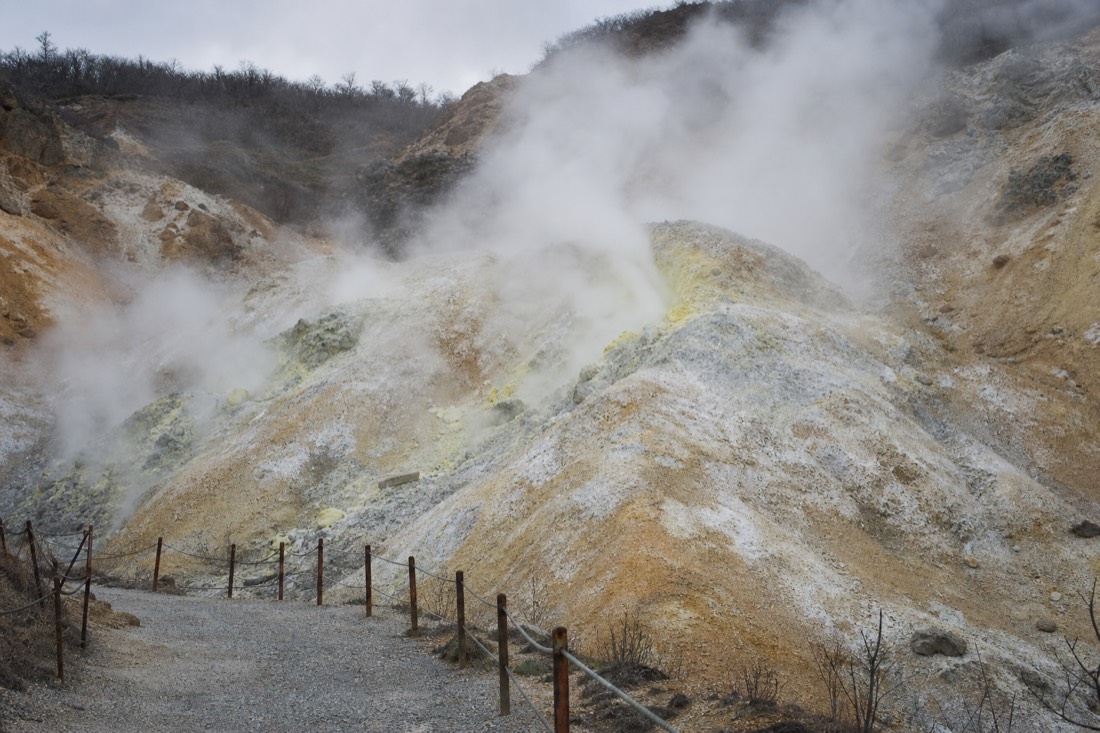
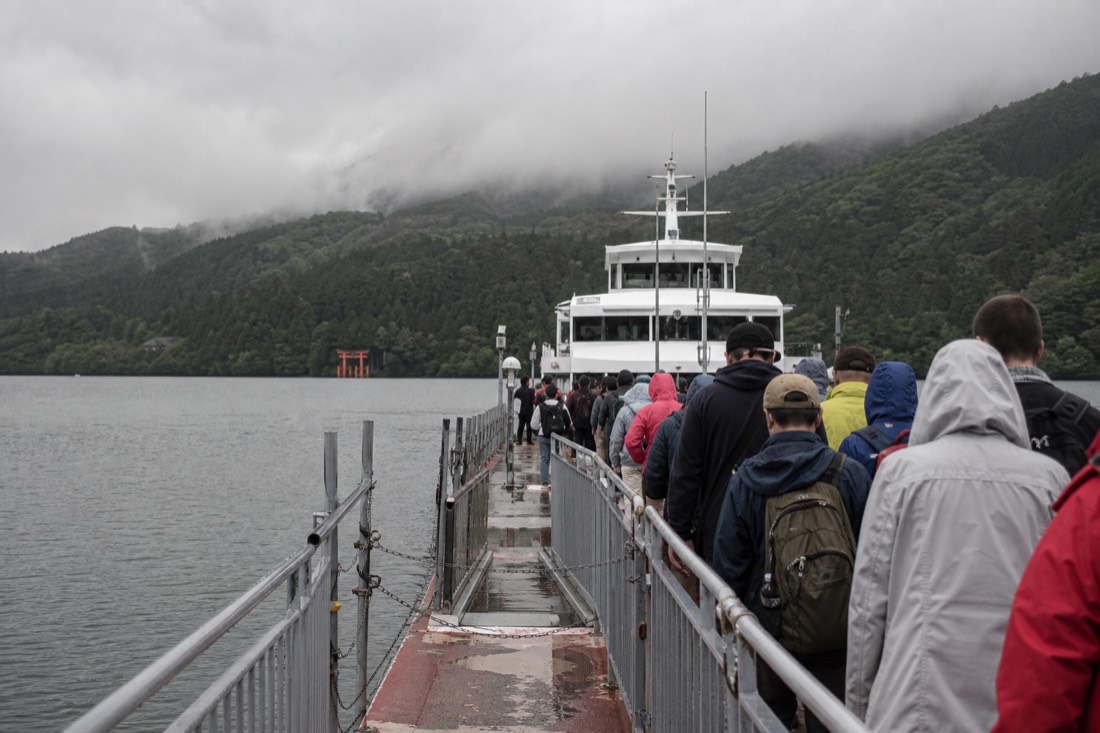
The queue complaint is structural. The Hakone loop chains together a mountain railway, a cable car, a ropeway and a boat, and every link has a fixed capacity. On a peak weekend you can spend a meaningful part of the day standing in webbing-taped lines. The valley at Owakudani smells strongly of sulphur, has a paved viewing area rather than a wilderness, and can be closed at short notice when gas readings rise. The boats are large white vessels dressed as galleons, seating around 500 people each, crossing the lake in 25 to 40 minutes.
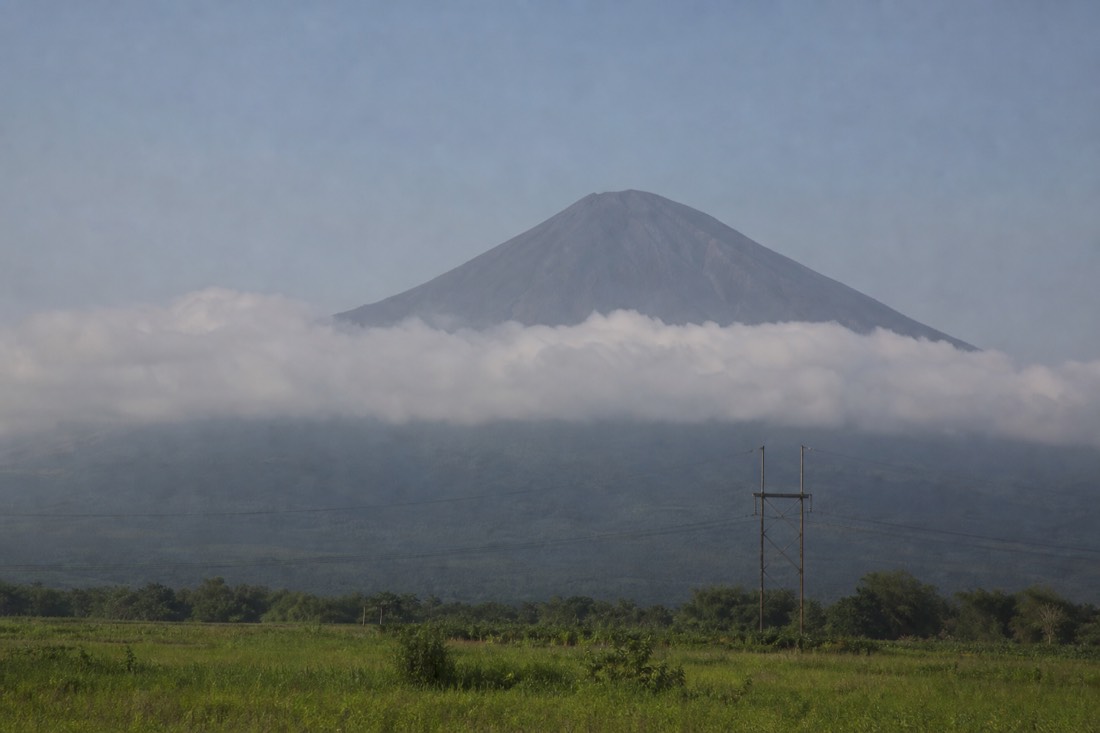
And Mount Fuji is roughly 40 km away across a ridge. Depending on the season and the source, the peak is properly visible somewhere between a fifth and two thirds of days, with winter mornings at the top of that range and summer afternoons at the bottom. Hakone barely features in the standard list of documented viewpoints around the mountain, and that omission is not an accident. If the trip was sold to you as the Fuji trip, this is where it falls down.
Are the black eggs a scam?
No, but they are folklore rather than food. Kuro-tamago are ordinary eggs boiled for around an hour in the sulphurous hot spring water at Owakudani, which turns the shells black through a reaction with the minerals. They cost about ¥500 for a pack of five and taste like a slightly firm boiled egg.
The famous claim is that each egg adds seven years to your life. That story is tied to the Enmei Jizo statue above the valley and the local significance of the number seven, and the vendors themselves frame it as a legend, not a health benefit. Nobody is being deceived. It is a snack with a story attached, sold at a place where you queued to arrive, which is a fair description of most of what people call a tourist trap.
Private Fuji Or Hakone Day: Scheduled Dates
Choose one Fuji-lakes or Fuji-Hakone route with private transport and an English-speaking driver-guide.
Check Dates For Private Fuji Or Hakone DayWhat does a day in Hakone actually cost?
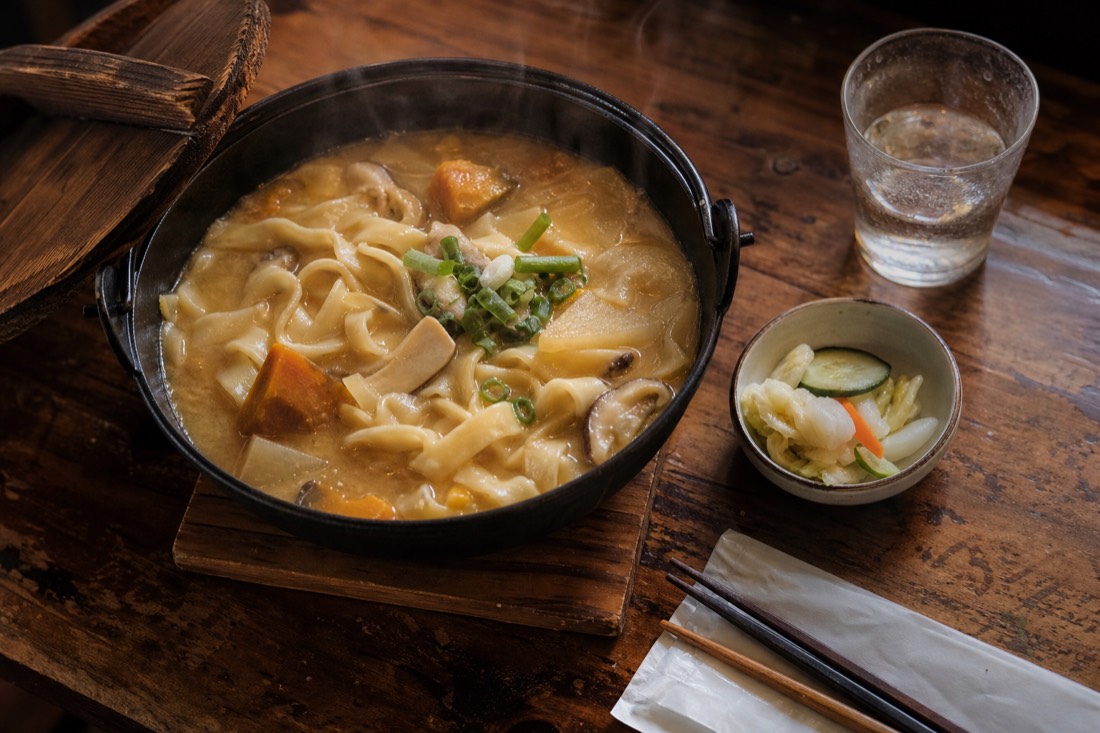
About ¥10,000 to ¥16,000 per person for a full day from Tokyo, and the Hakone Free Pass does most of the heavy lifting inside that. The pass is ¥7,100 for two days from Shinjuku, ¥6,000 from Odawara, and it covers the railway, cable car, ropeway, lake boats and the local buses.
| Item | Planning allowance | Note |
|---|---|---|
| Hakone Free Pass, 2 days from Shinjuku | Around ¥7,100 | Prices rose in late 2025 |
| Hakone Free Pass, 2 days from Odawara | Around ¥6,000 | Better value if you hold a rail pass to Odawara |
| Romancecar surcharge, each way | ¥1,150 to ¥1,200 | Optional, the regular express is covered |
| Lunch | ¥1,500 to ¥2,500 | Soba near Hakone-Yumoto is the reliable choice |
| Open-Air Museum entry | Around ¥2,000 | Pass holders get a discount |
| Day-use onsen | ¥1,000 to ¥1,500 | Worth building in if you are not staying over |
Buying every leg of the loop individually costs more than the pass, so on the money question Hakone is not overcharging. What it is doing is charging fairly for a lot of small things in quick succession, which feels expensive even when it is not.
What does the good version of Hakone look like?
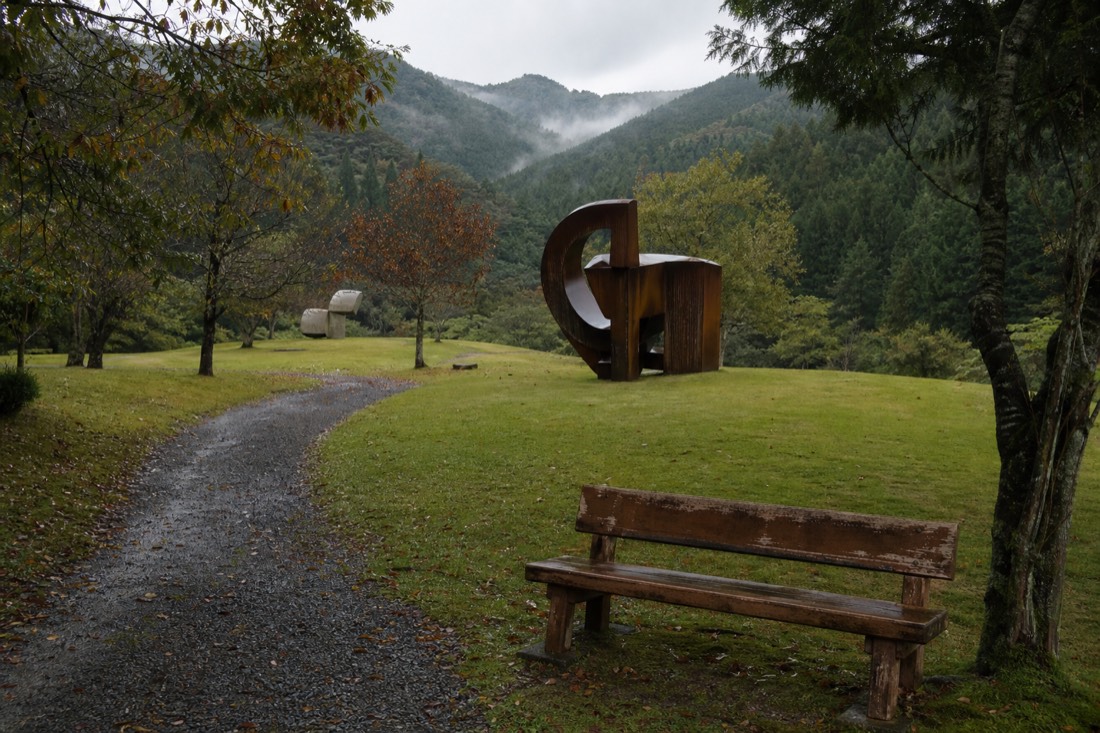
Overnight, midweek, and with two stops deliberately cut. The two things day-trippers most often skip are the Open-Air Museum and a proper onsen soak, and those are exactly the two things people say afterwards they wish they had done.
The changes that make the biggest difference are unglamorous. Leave Shinjuku by 8:00 AM so you are ahead of the first big wave. Run the loop in whichever direction the crowd is not going. Give the sculpture park 90 minutes rather than 30, since it holds more than 120 works across 70,000 square metres of hillside garden and rushing it is pointless. Then stop moving in the late afternoon, get into hot water, and eat properly.
The overnight ryokan stay is where Hakone stops resembling a theme park. Tatami room, yukata, a bath outdoors in the cold, a multi-course dinner, and the valley quiet once the day buses have gone. If you would rather spend that night nearer the mountain instead, our guide to choosing a base near the mountain sets out what each area actually gives you. Our Hakone loop guide sets out the timings for both versions, and if you would rather not assemble the transfers yourself the fully licensed private guide format removes most of the queue-management from the day.
Who should genuinely skip Hakone?
Anyone whose main goal is Mount Fuji, anyone with a single free day and no tolerance for crowds, and anyone travelling in peak foliage season without a booking. For those three groups the honest advice is to spend the day at Lake Kawaguchiko instead.
Kawaguchiko is closer to the mountain, on the side of it with better visibility, and its signature view costs nothing and requires no queue. If you want the volcanic valley, the art and the onsen culture, Hakone is excellent and worth a night. If you want the mountain, go where the mountain is, and the guided Mt. Fuji tours we list are split between the two sides so you can pick the mountain rather than the brochure. We put the two side by side in Kawaguchiko versus Hakone, and for travellers coming up from the west there is a separate calculation in our guide to reaching Mount Fuji from Osaka.
One practical note before you commit either way. Check the Hakone Ropeway status before you travel: the valley sits on an active volcanic vent field, gas readings are monitored continuously, and sections can be suspended at short notice. A closed ropeway removes the best part of the loop and turns the day into a bus ride. That volcanic geology is the same system that keeps people asking whether Mount Fuji will erupt, and the answer there is reassuring in a way the ropeway closures are not.