Where to Eat Around Mount Fuji
Two regional dishes, a handful of stalls and a warning about closing times. The food around the Fuji Five Lakes is genuinely regional, genuinely cheap, and genuinely finished by eight in the evening.
Food is not why anyone comes to Mount Fuji, which is exactly why it catches people out. The Fuji Five Lakes region has two distinct regional dishes, a cluster of stall food at one village, and a habit of closing early that has sent a lot of hungry visitors back to a convenience store at nine in the evening.
A food stop can be part of a Fuji day without turning it into a restaurant chase. The options below distinguish a wasabi experience with lunch from a sightseeing coach with an optional meal.
Booking Summary: Keep cash and early dinner plans. For a paid food experience, compare hands-on wasabi harvesting with a wasabi tasting and rail itinerary; the sightseeing coach’s lunch is optional.
Scroll to the end for the complete comparison and provider booking links. Interactive matching requires JavaScript.
What food is Mount Fuji famous for?
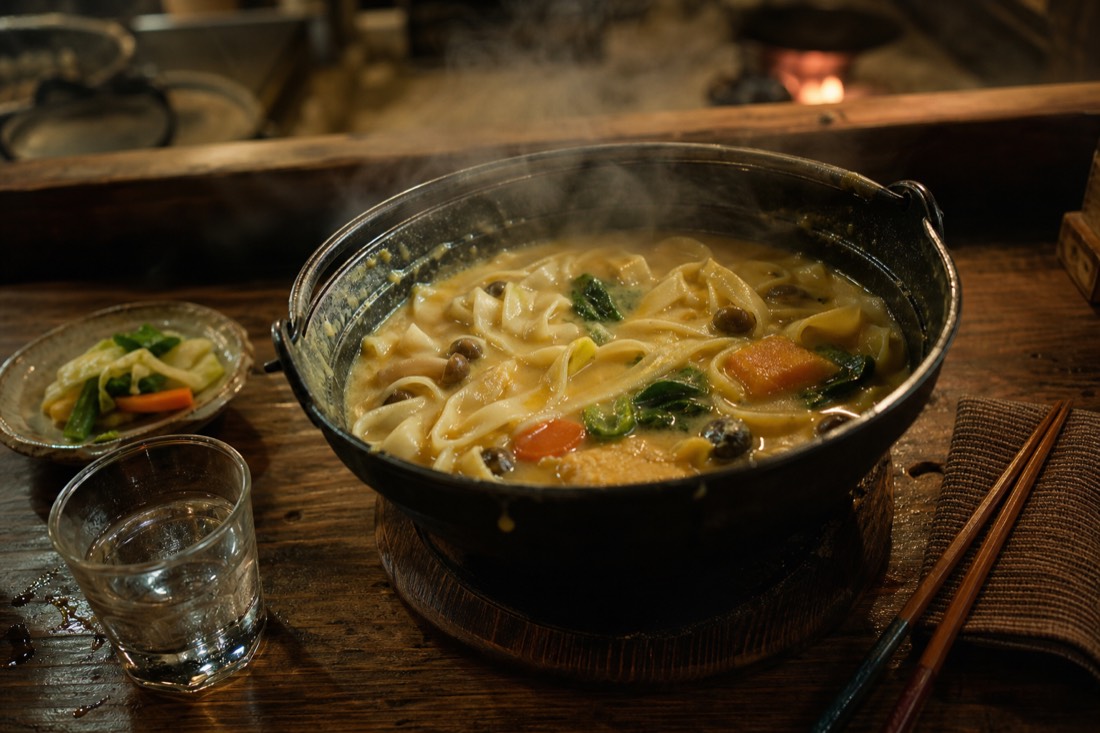
Hoto. It is a Yamanashi dish of very wide, flat wheat noodles simmered directly in a miso-based broth with pumpkin, carrot, potato and greens, so the starch thickens the soup into something closer to a stew than a noodle bowl. A bowl runs roughly ¥1,000 to ¥1,500 and it appears on almost every menu around Lake Kawaguchiko.
The noodles are not boiled separately and rinsed the way udon is, which is the technical difference and the reason the broth ends up thick. Where hoto is documented in detail, that stewing step is always the line that separates it from every other noodle dish in Japan. It is tied historically to the Takeda clan and eaten as warming winter food, which is also why it lands well after a cold morning on the lake shore and less well in August.
The chain most visitors end up at is Hoto Fudo, which has four branches around Kawaguchiko. One of them, the Higashikoiji branch, is a white free-form dome designed by the architect Takeshi Hosaka and looks more like a cloud than a restaurant. A standard hoto there is around ¥1,080 to ¥1,320. They do not take reservations except for large groups, so at midday in high season you queue.
What is Yoshida udon?
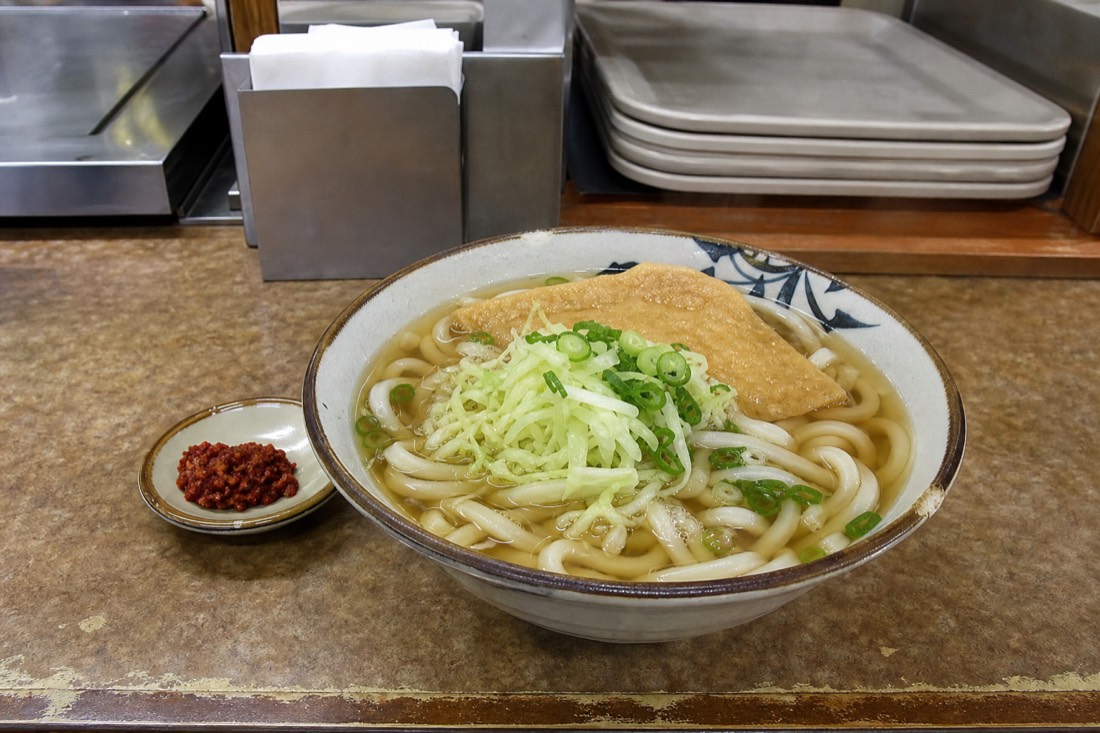
Fujiyoshida's own noodle. Yoshida udon is notably firm and chewy, much denser than standard udon, served in a light broth with cabbage and often a spoonful of a red chilli condiment on the side. It is cheap, roughly ¥500 to ¥800 a bowl, and it is a lunchtime dish rather than a dinner one.
The firmness is the point and it surprises people the first time. These noodles have real resistance to them. Shops are scattered around the streets near Mount Fuji Station and Shimoyoshida, many of them run out of what look like private houses, and several close as soon as the day's batch is gone. Tsuruya Shokudo is the shop usually credited with the horse-meat topping that some places offer.
What is worth eating at Oshino Hakkai, near Mount Fuji?
Stall food, eaten standing up. The village's speciality is grilled yomogi mochi, a green mugwort rice cake usually filled with red bean paste and toasted over charcoal, alongside grilled fish on skewers and cold soba made with the local spring water.
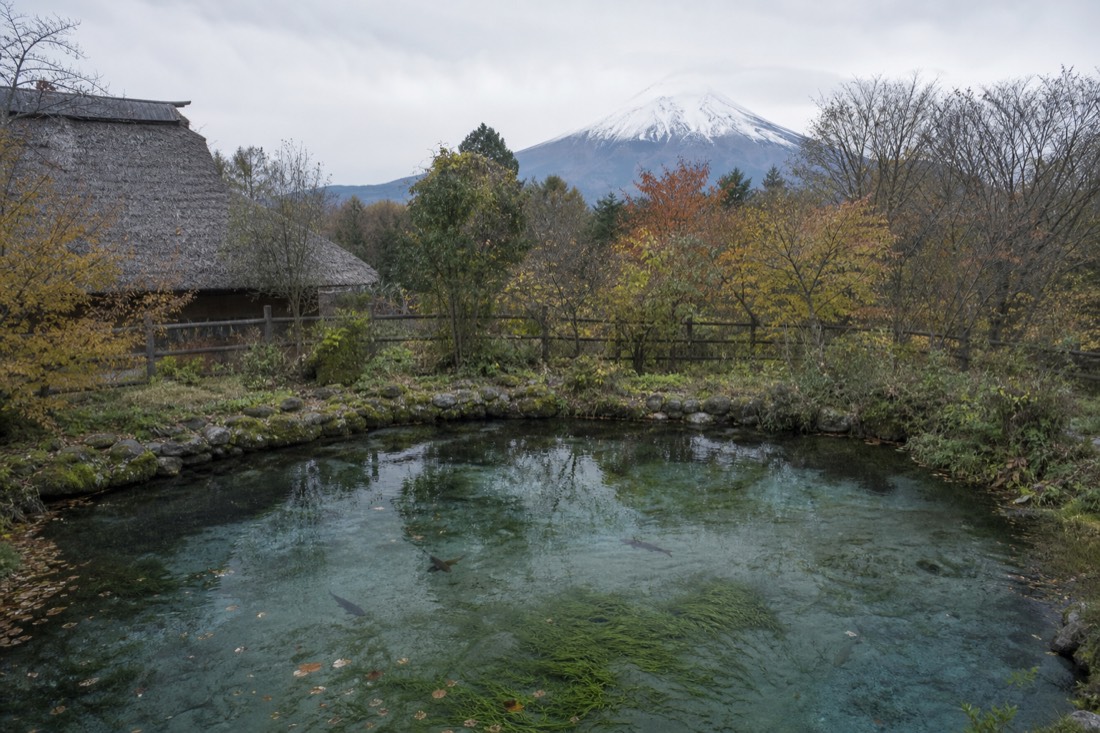
Oshino Hakkai is built around eight spring-fed ponds fed by snowmelt filtered through the mountain, so the water is the local product and the soba shops make a point of it. The whole stop takes an hour, the food is inexpensive, and it is at its best before the coach parties arrive around mid-morning. It is a standard stop on the hot spring and Oshino Hakkai day tour for exactly that reason.
Private Wasabi & Nature Day: Scheduled Dates
Harvest wasabi, eat a local lunch and explore Fuji scenery in a private car with a guide.
Check Dates For Private Wasabi & Nature DayCan you eat with a view of Mount Fuji?
Yes, mostly on the northern shore near Oishi Park, and you pay a modest premium for the window. Lake Bake, a bakery cafe on the north shore, and CISCO, a glass-fronted cafe further along, both trade on the sightline. Expect around ¥1,000 and up for coffee and something to eat.
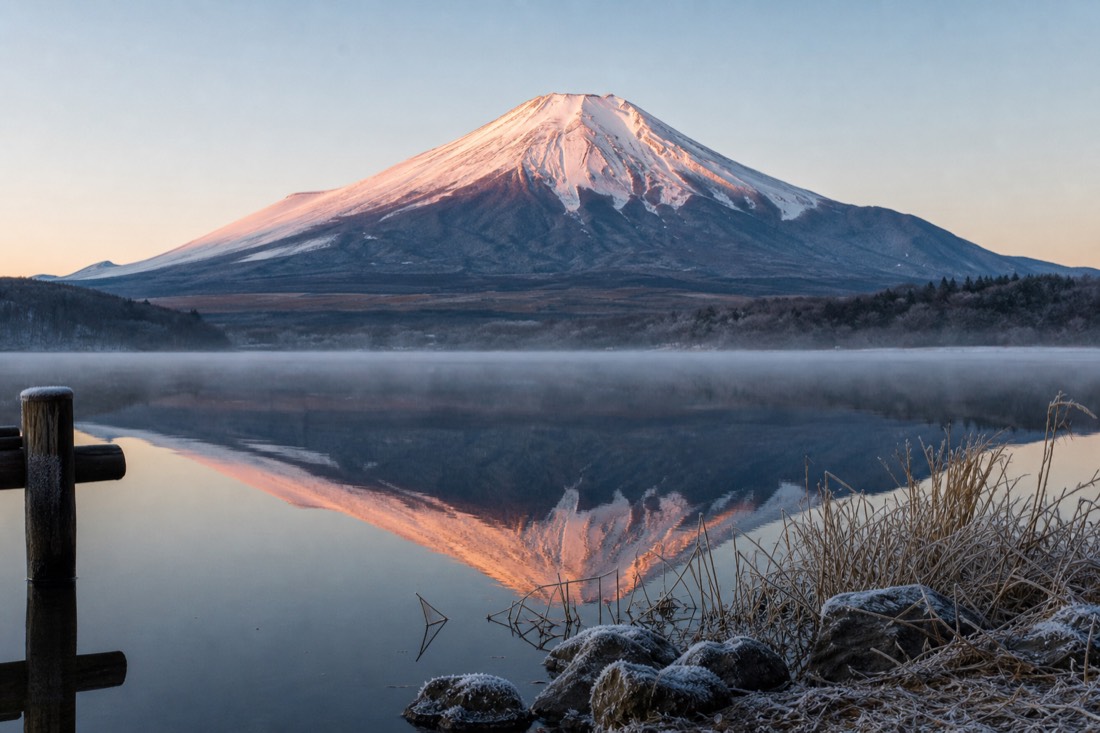
Two honest caveats. The view is weather-dependent in exactly the way the rest of the trip is, so a view cafe on a cloudy day is just a cafe. And the good ones fill up, because everybody has the same idea at the same time. If the morning is clear, eat later and look first. The one genuinely famous food on the Hakone side, the sulphur-boiled black eggs at Owakudani, is folklore rather than cooking, which is part of the argument about whether Hakone is a tourist trap.
| Dish | Where | Rough price | Note |
|---|---|---|---|
| Hoto | Fujikawaguchiko, everywhere | ¥1,000 to ¥1,500 | Thick, filling, better in cold weather |
| Yoshida udon | Fujiyoshida | ¥500 to ¥800 | Lunchtime only at many shops |
| Yomogi mochi and grilled fish | Oshino Hakkai | A few hundred yen each | Stall food, eaten standing |
| Fujinomiya yakisoba | Fujinomiya, Shizuoka side | ¥800 to ¥1,200 | Chewier noodles than standard yakisoba |
| Black eggs | Owakudani, Hakone | Around ¥500 for five | Folklore, not fine dining |
| Cafe with a lake view | North shore, near Oishi Park | ¥1,000 and up | Weather-dependent by definition |
What is different on the Shizuoka side of Mount Fuji?
The whole palate changes. South of the mountain you are in Shizuoka: Fujinomiya yakisoba with its distinctly chewy noodles, wasabi grown in the spring-fed beds, trout raised in the cold water off the mountain, and seafood coming up from Suruga Bay at Numazu.
Fujinomiya yakisoba is a properly local thing rather than a tourist product. It uses firmer, chewier noodles than standard yakisoba, is cooked with lard and topped with a fish-based powder, and there is a local association that promotes it from an antenna shop in town. It costs around ¥800 to ¥1,200 and it is the correct lunch on that side of the mountain.
Wasabi is the other Shizuoka speciality worth going out of your way for, because fresh wasabi grated at the table has almost nothing in common with the green paste sold elsewhere. The private nature and wasabi farm tour visits a working farm, and the trout served at the spring-fed farms near the western foothills is on the same route.
What should you know before you get hungry?
Two things: most places close early, and smaller ones are cash only. Kitchens around the lake commonly stop serving around 8:00 PM, and noodle shops close whenever the day's batch runs out, which can be well before that.
Plan dinner earlier than feels natural, especially outside high season and especially in winter, when the lake towns go quiet. Carry ¥5,000 to ¥10,000 in cash for small restaurants and stalls even though chains and hotels take cards. And if you are vegetarian, vegan or eating halal, be aware that options are thin: fish stock turns up in broths where you would not expect it, so ask about dashi before ordering rather than after.
Convenience stores are the honest fallback and there is no shame in them. Onigiri, a decent sandwich and hot coffee at 6:00 AM is exactly the right breakfast before walking down to the shore for sunrise, and nothing else in the town is open at that hour anyway. Lunch tends to sort itself out: most of the guided Mt. Fuji tours we list stop somewhere regional rather than at a service station. Our day at Lake Kawaguchiko guide sets out how the town's rhythm works across a full day, and if you are choosing where to sleep, the food scene is one of the arguments in our guide to choosing a base near the mountain.